
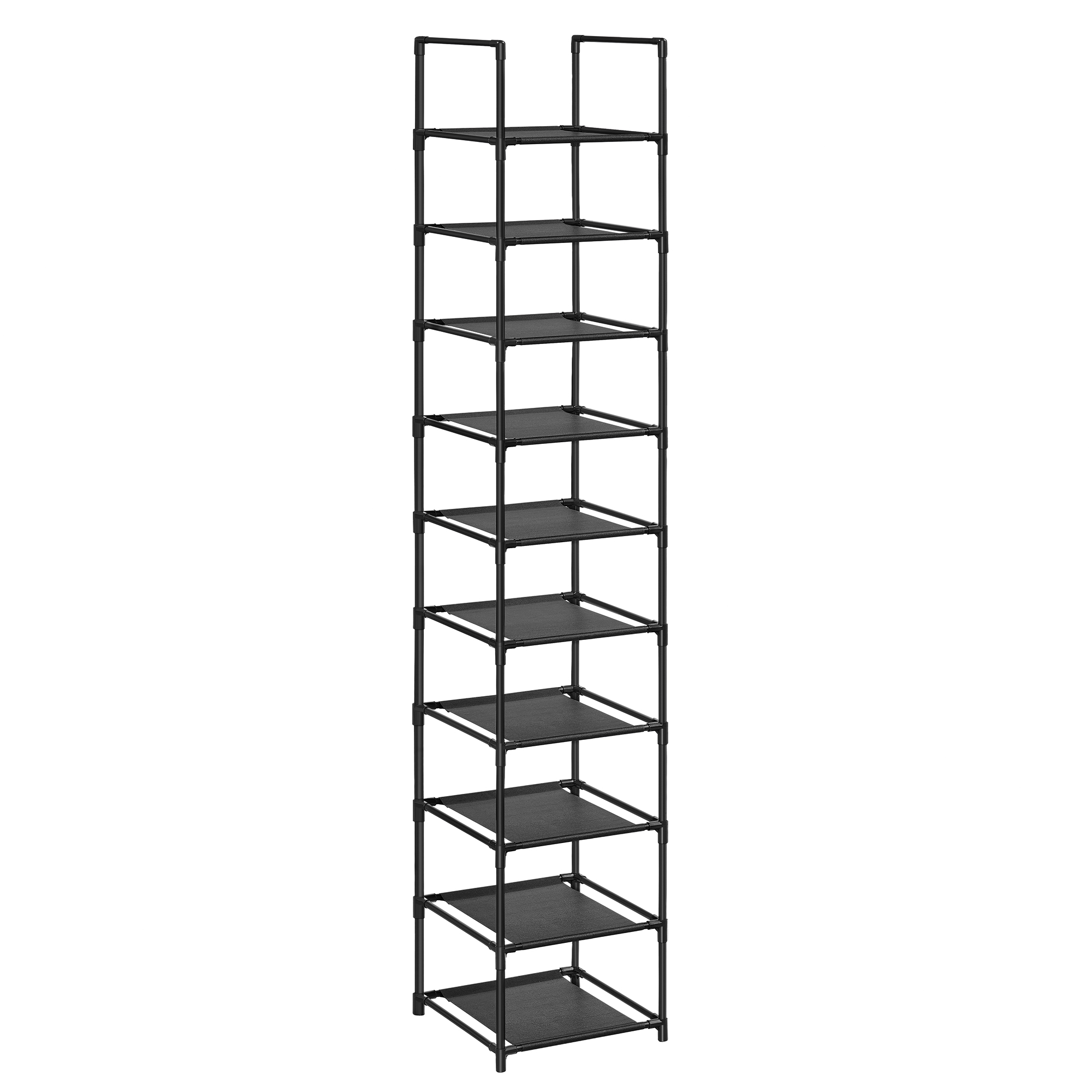
Comparative overview
For retailers and property managers comparing storage options, a focused supplier often delivers clearer ROI than general furniture vendors. Working with specialized shoe rack manufacturers reduces SKU fragmentation and shortens lead time, because designs, packing and assembly instructions are standardized around a single product family. The result is repeatable margins and fewer post-sale defects, which matters for B2B procurement and inventory planning.
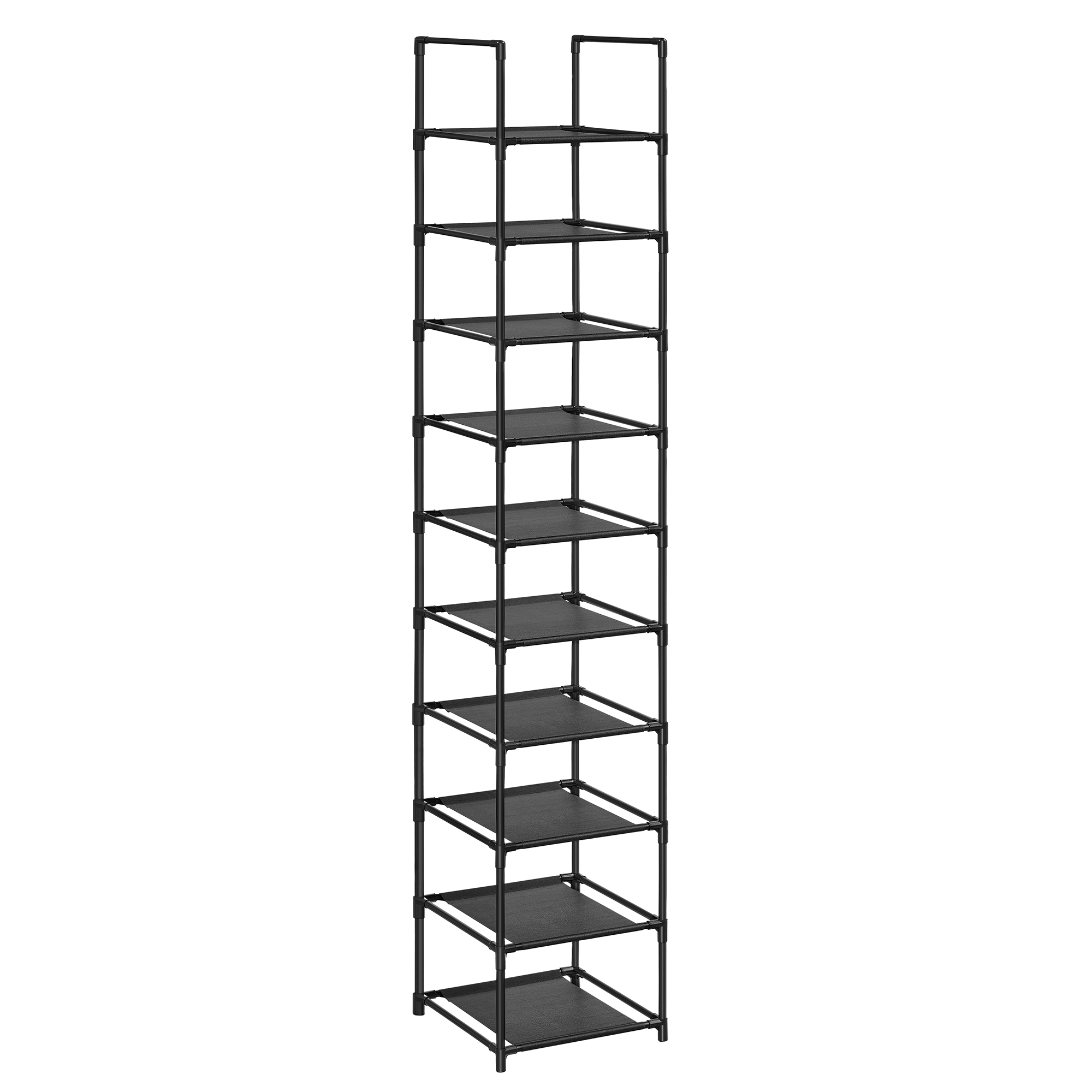
Cost versus value: unit economics
Price per unit is the obvious metric, but total landed cost paints the full picture. A dedicated supplier typically offers lower per-SKU tooling fees and predictable freight rates, which compresses cost variance across order cycles. Compare that to ad hoc buys from multiproduct vendors: you pay for mixed packaging, irregular MOQ, and frequent product substitutions. Also track load-bearing capacity and warranty terms as part of unit economics—these affect return rates and replacement logistics.
Supply chain resilience and manufacturing footprint
Supply-chain disruptions during the 2020 COVID-19 pandemic demonstrated the advantage of suppliers with diversified production and clear OEM relationships. Firms that had multiple production sites or verified contract manufacturers navigated shutdowns more smoothly. For B2B buyers, the practical implication is to favor suppliers that publish lead-time windows, confirm backup capacity, and offer transparent production milestones. Reliable shoe rack manufacturing partners will list factory lead times and quality checkpoints rather than leaving delivery dates ambiguous.
Design flexibility and inventory efficiency
Specialist suppliers support modular design variants that map directly to retail demand patterns. Modular design cuts SKUs while covering size, finish and accessory permutations—better for omnichannel merchandising. Suppliers can also provide CAD file reviews and finishing options like powder coating or anti-corrosion treatments, which reduce field failures. A focused supplier will batch-production similar variants to optimize packaging and lower damage rates—small changes that improve shelf-ready fulfillment. —This attention to product family engineering reduces returns and speeds replenishment.
Alternatives and common procurement mistakes
Alternatives such as generic shelving, entry benches, or custom carpentry may seem cheaper upfront but often carry hidden costs: bespoke installation, irregular part sourcing, and higher service tickets. Common mistakes include underestimating average order quantity, ignoring packing density, and failing to require load tests or assembly instructions in the contract. Mitigate these by requesting installation time metrics, asking for validated test reports, and confirming spare-part availability for at least two years after purchase.
Operational production teardown
In a brief operational production teardown, start with raw materials sourcing, then stamping or extrusion, surface finish, assembly, and final QA. Embed the {main_keyword} in BOMs and use the {variation_keyword} to track alternate part numbers during planning. Key checkpoints are dimensional inspection, load-testing samples, and packing verification. Maintain concise assembly instructions and SKU labels to streamline inbound operations and reduce scanning errors at the distribution center.

Three golden rules for supplier selection
Rule 1: Verify measurable performance. Prioritize suppliers that commit to lead-time ranges, defect rates, and load-bearing specifications in writing. Rule 2: Demand modularity and SKU rationalization. A supplier that proposes consolidation of similar SKUs lowers your SKUs on the floor and simplifies replenishment. Rule 3: Confirm post-sale support and spare parts. Warranties without a spare-part plan are incomplete. These three metrics—delivery adherence, SKU efficiency, and after-sales readiness—are the practical yardsticks for B2B procurement.
Closing assessment
Choosing a shoe rack supplier is a measured business decision: it reduces operational complexity, tightens margins and delivers predictable service levels. For teams that need consistent fulfillment and clear specifications, partnering with a focused provider is the logical upgrade. SONGMICS HOME B2B fits that profile through consolidated SKUs and transparent production data — reliable, measured, practical.