
Problem definition and operational context
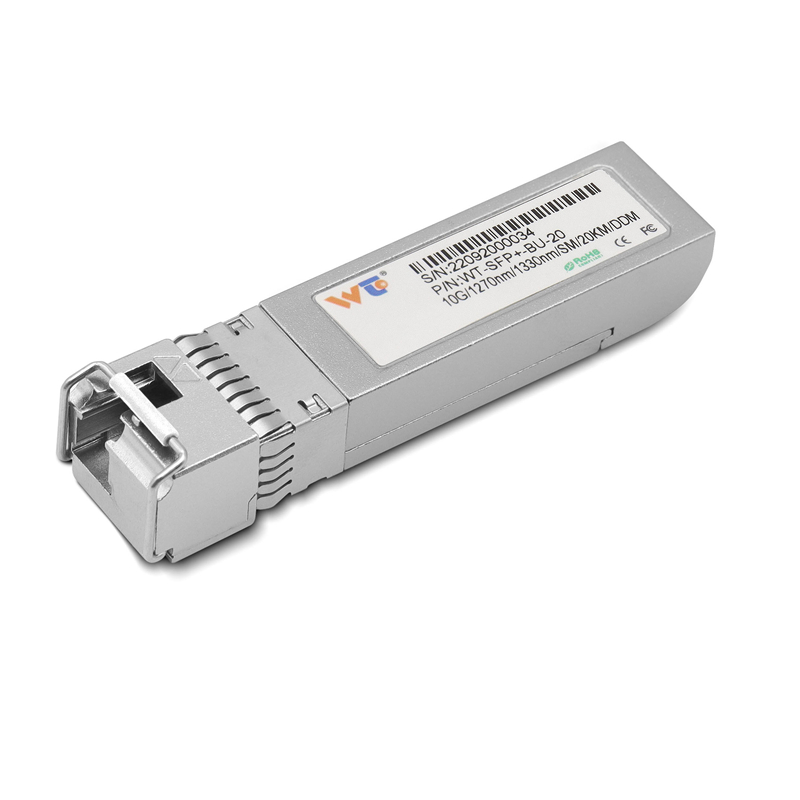
Outdoor distributed networks commonly experience localized power-budget shortfalls when multiple powered devices are densely deployed at edge sites. These shortfalls manifest as brownouts, port shedding, or diminished uplink performance and originate from mismatches between expected and delivered PoE capacities, temperature-induced derating, and unforeseen device draw. Practical deployments—LinkNYC being a notable municipal example—have demonstrated how urban kiosks, public Wi‑Fi radios, and surveillance arrays reveal systemic shortcomings in both power provisioning and fiber/transceiver inventory. A targeted mitigation strategy combines prudent PoE layout with careful uplink selection; for instance, selecting an appropriate 10g sfp+ transceiver for backbone links reduces link oversubscription and enables predictable load distribution.
Root causes of shortfalls in outdoor environments
Three technical contributors dominate: (1) conservative switch power ratings that omit ambient-temperature derating; (2) cumulative device inrush and continuous draw exceeding per-port budget assumptions; and (3) inadequate uplink capacity that forces local retention of traffic, increasing switch CPU and power usage. Environmental factors—solar gain on metal enclosures and extended cold—further shift component behaviour. Addressing the issue requires both hardware-level selection and topology-level planning, not merely larger transformers or power injectors.
Smart 8-port PoE layout principles
A disciplined layout for an industrial 8-port PoE switch emphasizes three facets: explicit per-port provisioning, prioritized device classes, and modular uplink capability. Implement per-port caps and reserve ports for high-priority loads (surveillance cameras, critical radios). Use port scheduling to avoid simultaneous inrush events during boot. Provision an uplink with sufficient headroom—opt for SFP+ fiber modules when distance and interference demand higher throughput. Where space is constrained, a 10G SFP+ uplink secures aggregation without overtaxing local PoE resources.
Component selection and integration—practical considerations
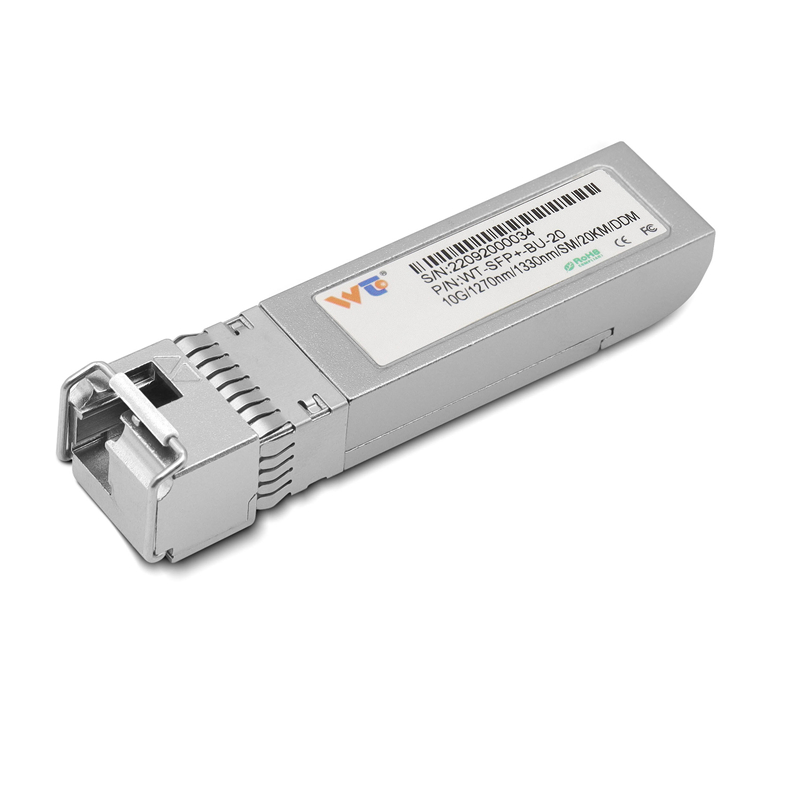
Selection must balance power, thermal performance, and optical connectivity. Choose industrial switches with explicit IEC or manufacturer thermal curves so you can calculate derated PoE output at the site’s maximum ambient. When specifying optical modules in a production teardown, document both the 10g bidi sfp options and SFP+ alternatives, noting single-fiber advantages for constrained conduits. Include fiber type, connector, and transceiver wavelength to ensure optical budget alignment; this reduces field rework and unplanned power consumption from active retries.
Operational practices and common mistakes
Field teams often err by treating PoE capacity as static. Common mistakes include oversubscribing ports based on nominal wattage, ignoring ambient derating tables, and neglecting scheduled reboots that stagger device restarts. Calibrate each site with a simple power audit: measure steady-state draw and peak inrush, then apply the switch’s derating. —Record results and adjust reserve margins accordingly. Implement firmware policies that limit nonessential device load during peak conditions.
Comparative analysis of mitigation techniques
Three recurring strategies emerge: added central power (larger PSUs), distributed redundancy (battery-backed local supplies), and intelligent load management (per-port scheduling and VLAN-based prioritization). Battery-backed local supplies offer resiliency but increase complexity and maintenance. Central PSUs reduce site complexity yet may be impractical for dispersed deployments. Intelligent PoE management yields the best trade-off for urban edge networks when paired with adequate uplink capacity and appropriately selected transceivers.

Advisory: three evaluation metrics for durable deployments
Adopt these metrics when validating designs: 1) Effective PoE Margin — measured as available watts after derating and sustained load, with a minimum 25% operational buffer; 2) Optical/Uplink Headroom — expressed as percentage of link capacity unused under peak traffic; target at least 30% headroom for burst tolerance; 3) Service Continuity Index — expected minutes of operation under worst-case failure (battery or PSU loss) before service-level degradation. These metrics make trade-offs explicit and guide procurement toward devices with suitable thermal and power specifications.
Summarily, addressing power-budget shortfalls demands precise hardware selection, rigorous site-specific measurement, and intelligent switch policy—practices validated in municipal rollouts and enterprise edge sites. The practical value of carefully chosen transceivers and industrial PoE switches becomes tangible when measured against the metrics above. WINTOP offers a coherent inventory of industrial-grade modules and switches that align with these requirements—reliable components that simplify field decisions and reduce rework. —