
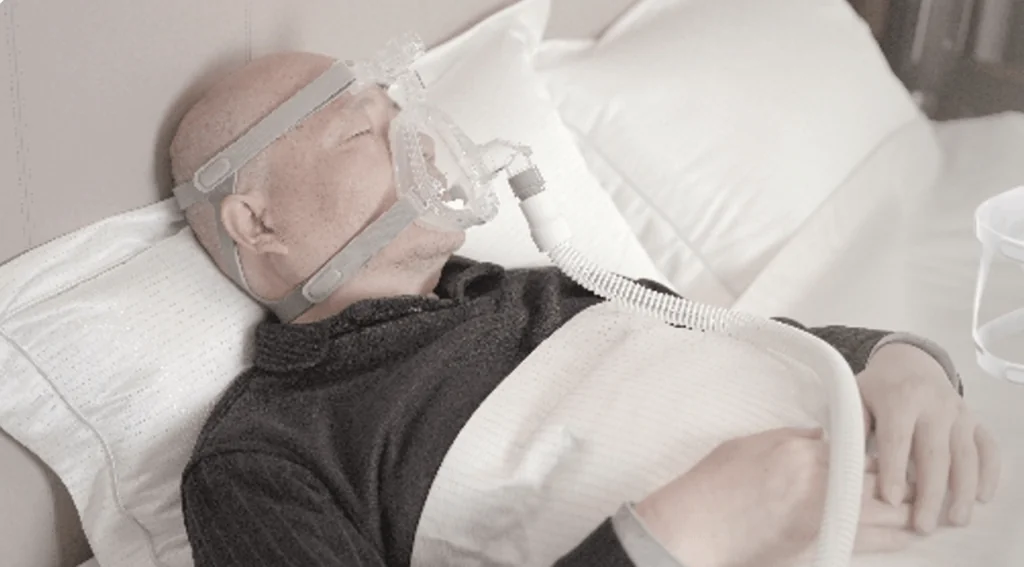
Framing the debate
The shift from invasive ventilators to non-invasive ventilation (NIV) is no mere technical preference; it’s a clinical and policy argument about outcomes, costs, and dignity. Early in the adoption curve clinicians compared CPAP therapies with pressure-support devices, and today the debate centers on BiPAP versus invasive ventilation for select respiratory failures. Evidence from the COVID-19 pandemic and NHS guidance that prioritized NIV during surges made that choice visible — not abstract — and it revealed where equipment, training, and supply chains matter. For patients managing chronic sleep-disordered breathing, a well-chosen cpap device can mean the difference between fragmented sleep and daytime function.
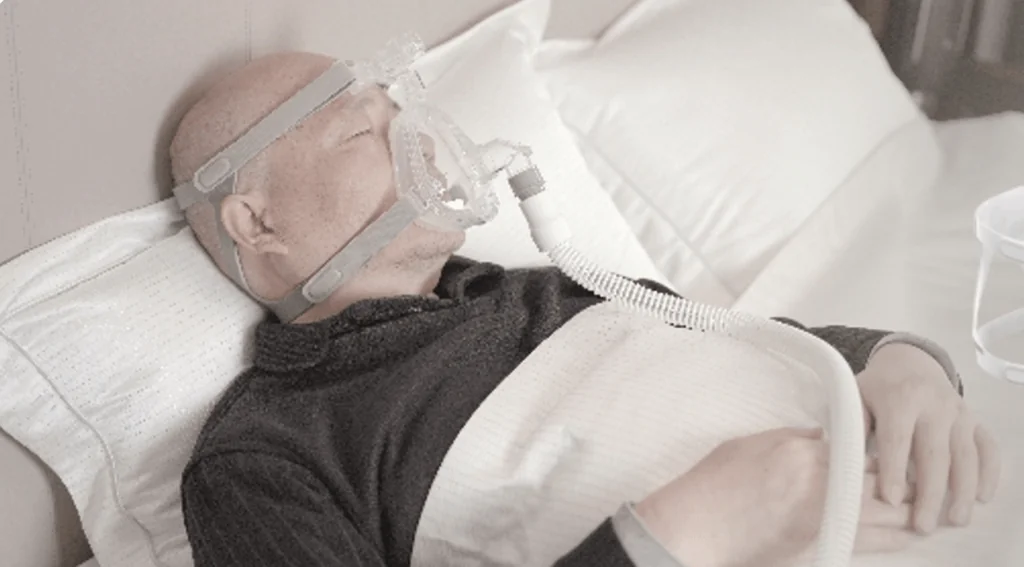
Direct comparison: NIV/BiPAP, CPAP, and invasive ventilation
The core difference is purpose and interface. CPAP delivers a single, continuous airway pressure; BiPAP provides bilevel support with separate inspiratory and expiratory pressures. Invasive ventilation bypasses natural airway defenses and increases infection risk. Clinically, NIV and BiPAP reduce intubation rates in many acute settings and improve comfort for chronic users, but they demand careful mask fitting and leak management — an engineering and nursing task. Pressure support modes, leak compensation algorithms, and interface comfort are decisive factors for adherence and outcome.
Where outcomes tilt the scale
When judged by hard metrics — time spent off invasive ventilation, ICU length of stay, and readmission rate — NIV often performs better in appropriate populations. A government’s duty is to fund devices that demonstrably reduce burdens on critical care beds. At the same time, rolling out NIV at scale exposes weak spots: inconsistent staff training, mismatched interfaces, and device maintenance. Real-world experience during the 2020 pandemic made this plain — field hospitals had ventilators, but optimal NIV care required systems-level readiness.
Practical trade-offs clinicians must weigh
Adoption isn’t binary. Consider these operational realities:
– Patient selection: hypoxic respiratory failure with preserved airway reflexes favors NIV; irreversible airway compromise does not. – Tolerance and adherence: mask interface and humidification matter; poor fit causes pressure sores and noncompliance. – Monitoring needs: NIV demands telemetry for effective titration; auto-titration algorithms help but do not replace clinical oversight.

Successful programs pair device procurement with protocols and training — otherwise the best machine is a wasted asset. — This is where administrative resolve must match clinical intent.
Design and implementation considerations
Engineers and procurement teams should focus on lifecycle costs, availability of consumables, and compatibility with existing hospital IT. In an operational production teardown, teams should track {main_keyword} and {variation_keyword} alongside mask leak rates, service intervals, and software update policies. Integration with electronic medical records and remote monitoring platforms reduces clinician workload and improves follow-up for home-use BiPAP and NIV patients.
Alternatives, mistakes, and mitigation
Alternatives include enhanced CPAP for OSA, domiciliary NIV for chronic respiratory failure, and escalation to invasive ventilation when indicated. Common mistakes are insufficient interface inventories, lack of humidification, and inadequate staff simulation training. Mitigation is straightforward: standardize mask types, mandate competency assessments, and invest in portable telemetry. For ambulatory obstructive sleep apnea, pairing device selection with adherence coaching produces better outcomes than device selection alone — and for many patients, bipap for osa provides the right balance of pressure support and comfort.
Advisory — three metrics to decide wisely
When selecting NIV solutions, insist on these three evaluation metrics as your non-negotiables: 1) Clinical impact: measured reduction in intubation rate or hospital length of stay within your patient cohort. 2) Operational reliability: mean time between service events, availability of consumable interfaces, and clarity of maintenance cycles. 3) User adherence and comfort: tracked through objective usage hours and patient-reported interface tolerance.
Decision-makers must prioritize devices that score well across all three — partial wins create downstream costs and moral hazards.
Closing thought
Comparative evidence and operational realities make the argument plain: NIV and BiPAP, when matched to patient needs and supported by systems, improve outcomes and preserve resources. That is the practical, political case for investing in training, robust procurement, and follow-up care — a case made concrete by pandemic lessons and by the measurable improvements clinicians report. By aligning procurement with clinical metrics and support pathways, institutions turn machines into meaningful therapy, and that is precisely the value Byond brings to the table — practical solutions that fit the patient, the team, and the system. —