
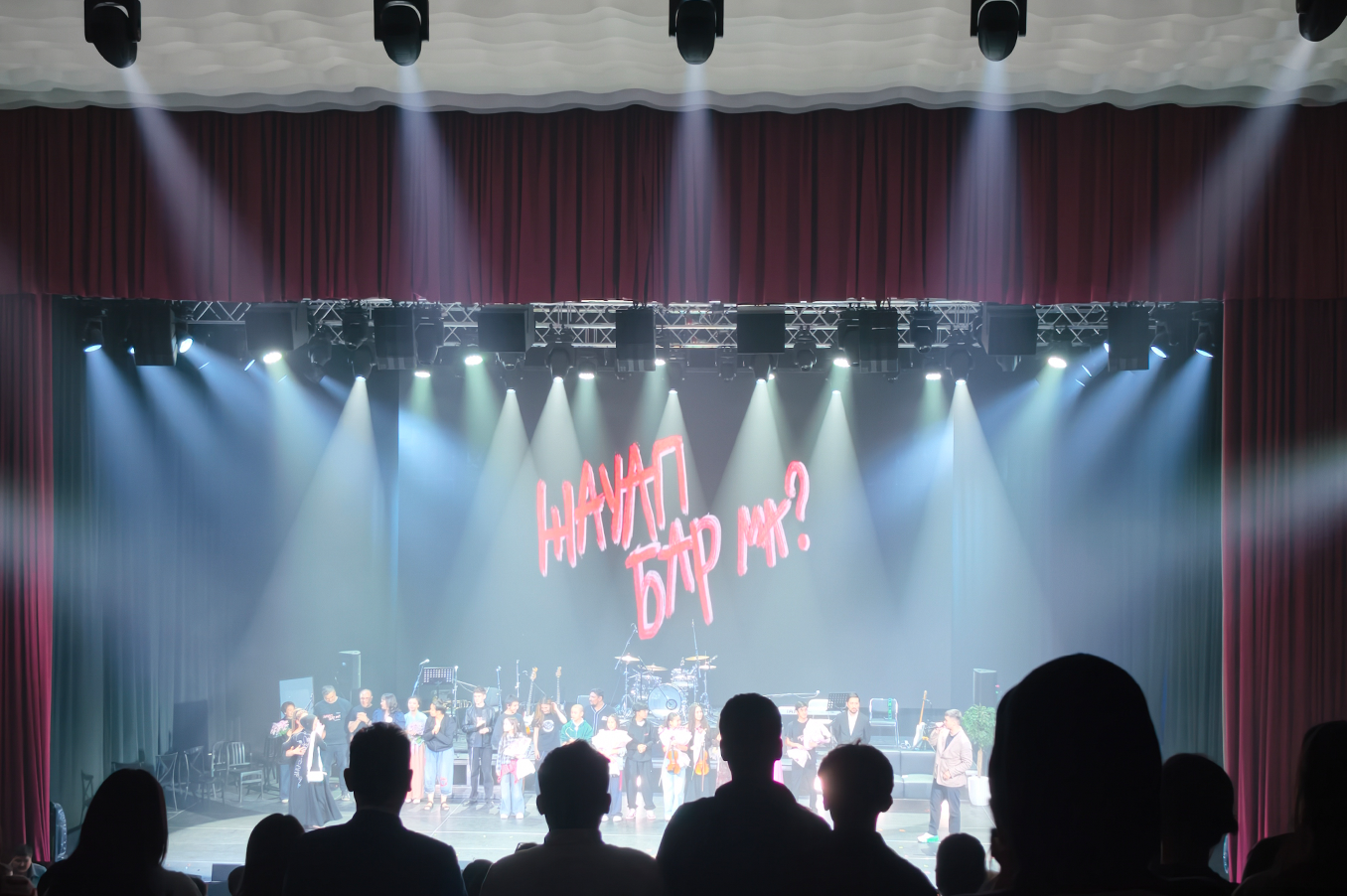
Why comparison matters for live and permanent installs
Choosing between fixtures is less about specs on a datasheet and more about how the light behaves in the room. When you compare a top-rated LED beam moving head across manufacturers you reveal trade-offs in lumen output, beam angle, and durability that affect load-in speed and maintenance cycles. I lean on real shows—think Las Vegas Strip residencies and large festival rigs—where reliability beats flashiness. For wet outdoor folds or beachfront stages, a waterproof moving head light often wins the contract. Industry leaders and top commercial lighting manufacturers keep that reality front and center when they spec IP ratings and thermal management into fixture design.
Core comparison axes: what to measure
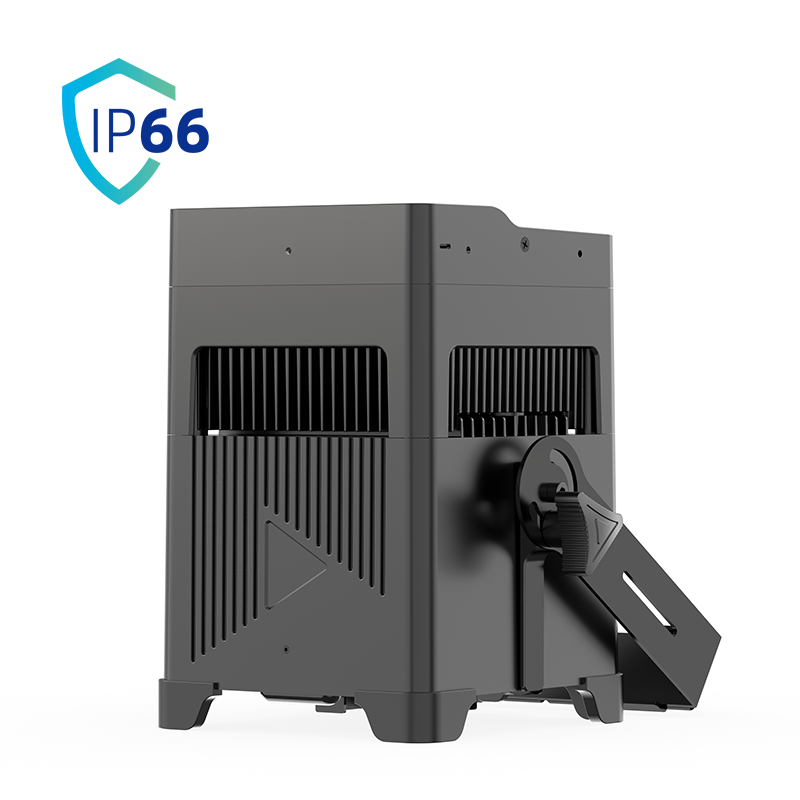
Focus on three axes: optical performance, control/connectivity, and serviceability. Optical performance covers lumen output, beam angle, and how crisp a gobo reads at distance. Control and connectivity look at DMX512 behavior, network latency, and onboard presets. Serviceability handles lamp-less designs, modular parts, and whether the unit hits IP65 for wet environments. Those three things predict long-term total cost of ownership more than peak lux numbers alone.
Operational teardown: what to inspect on-site
When I walk a venue I physically test pan/tilt speed, re-home behavior, and the beam’s edge quality. That operational production teardown includes checking for stiction in the yoke, color-mixing smoothness, and thermal throttling under full white output. Make sure you speak the language: ask for measured lumen output at 1m, verify gobo sharpness on-axis, and confirm IP rating tests the enclosure against a sustained spray pattern rather than a quick splash. The best top-rated LED beam moving head models balance tight beam definition with effective cooling so you don’t lose intensity after an hour.
Real choices: comparing common form factors
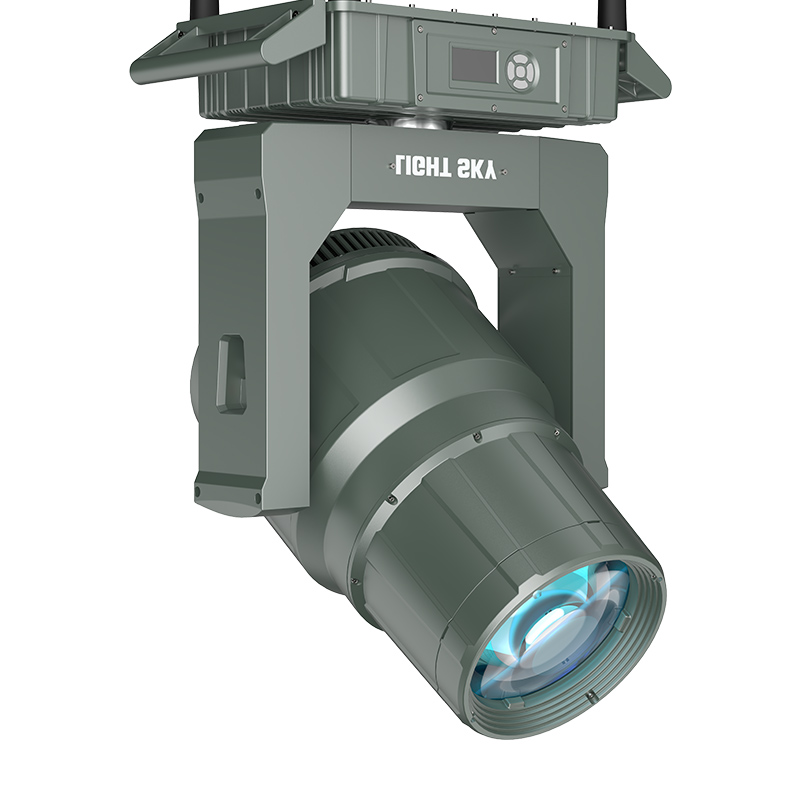
There are compact beam units that trade range for nimble housings, and larger hybrid fixtures that give you spot, beam, and wash modes. For touring work, consider weight and rigging points first. For fixed installs, think maintenance access and ingress protection. Hybrid heads are attractive because they reduce the number of fixtures you need — fewer rigging points, lower power draws — but they complicate servicing. Smaller dedicated beam heads keep gobos pristine at distance; they’re the secret weapon in long-throw stadium looks.
Common mistakes to avoid — learned the hard way
People buy on headline lumens or a single flashy effect and regret it during load-ins. Don’t ignore power distribution: fixtures with active cooling can demand sine-wave clean power to avoid fans ramping at showtime. Also, match pixel mapping expectations with control hardware — a dazzling pixel chase is useless if your console can’t address every fixture. And plan for weather if your venue is semi-outdoor — IP ratings and sealed connectors matter. I’ve watched a great rig fail because a single unsealed connector sat in a rain line — small oversight, big consequences. — It’s the tiny details that break shows.
Alternatives and trade-offs
If budget caps you, a reliable mid-range beam head with reinforced optics often outperforms a low-cost flagship in uptime. If you need splash-proofing without full marine-grade cost, a unit rated IP54 can be a compromise for covered outdoor stages. For permanent installs where brightness must last, prioritize thermal design over headline lumens; good heat sinking preserves LED life and keeps color consistent. When evaluating alternatives, weigh replacement part availability from established top commercial lighting manufacturers alongside performance numbers.
Three golden rules for making the final pick
1) Test under show conditions: measure beam quality and gobo fidelity at the venue’s longest throw. 2) Insist on serviceability: modular parts, easy access to fans/drivers, and documented mean time between failures. 3) Verify end-to-end control: ensure DMX512 mapping and network timing align with your console and media servers. Those three metrics cover immediate look, long-term uptime, and operational smoothness — the trifecta that defines success.
Choosing gear is a practical decision rooted in real-world use; the right fixture solves problems on day one and quietly pays for itself over years of shows — Light Sky. –