
Root causes I keep seeing — and why standard fixes fall short
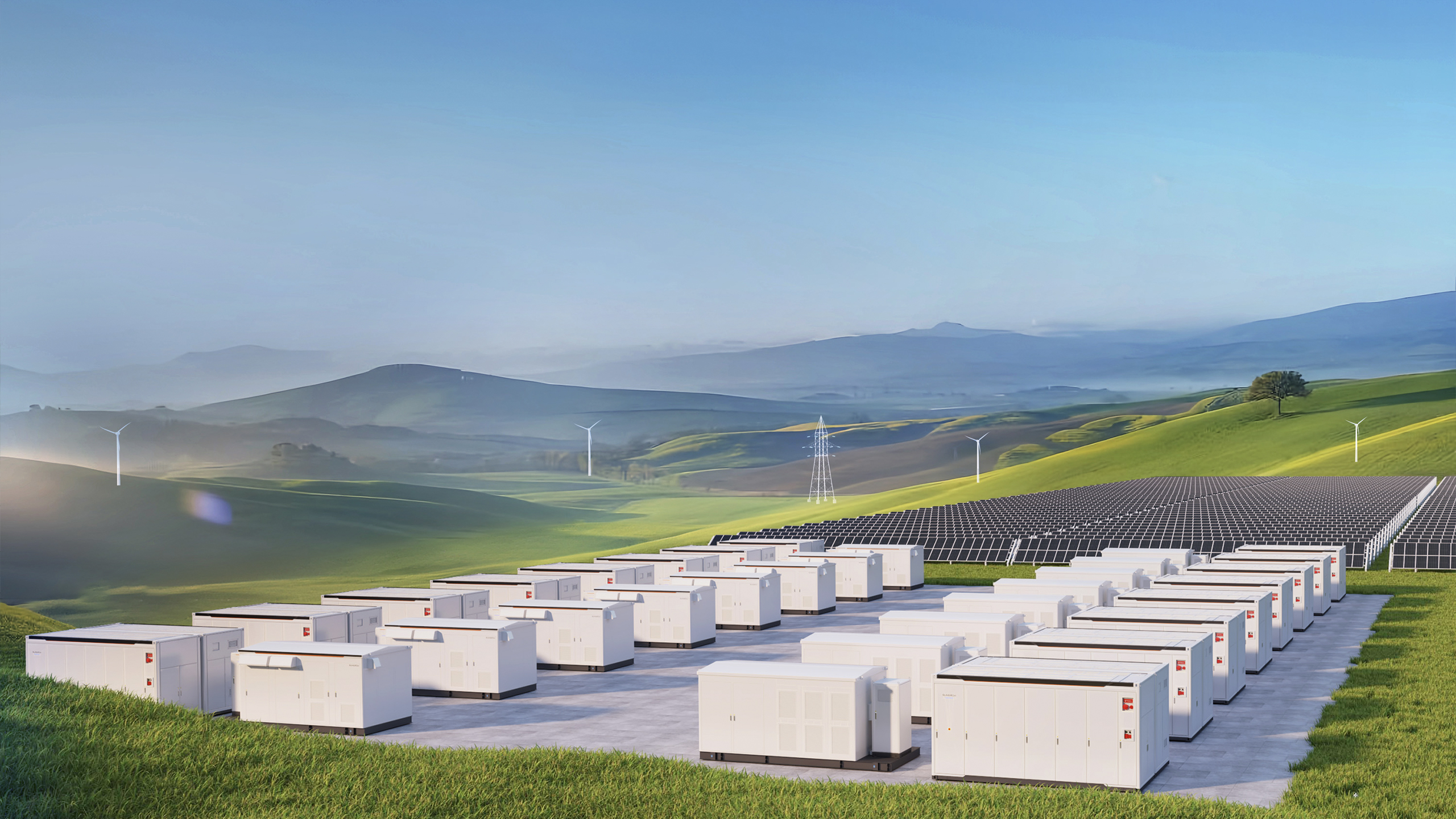
I stood under a blue sky in McKittrick, California in June 2022 as a 100 MW solar field sat idle behind a truck unloading lithium iron phosphate modules — the scene felt wrong. When that 100 MW facility experienced daily curtailment of 18% after a heat wave (measured over three consecutive weeks), I asked: how do owners reclaim those lost megawatt-hours without accelerating degradation? Early on I learned that many planned projects call themselves “resilient” but rely on optimistic cycling patterns; the reality is harsher. I work with utility scale battery storage systems every quarter and I can say plainly: standard one-size BESS layouts and undersized inverters create cascading problems. The first flaw is thermal mismanagement. LFP cells tolerate heat better than NMC, but without proper airflow and cell-level monitoring, state of charge (SOC) drift accelerates capacity fade. The second flaw is operational mismatch — sites are designed for ideal dispatch profiles, not for sudden grid services or long-duration shifting. That mismatch forces deeper cycles and shortens useful life, and that costs real dollars on day 1 (and every year after).
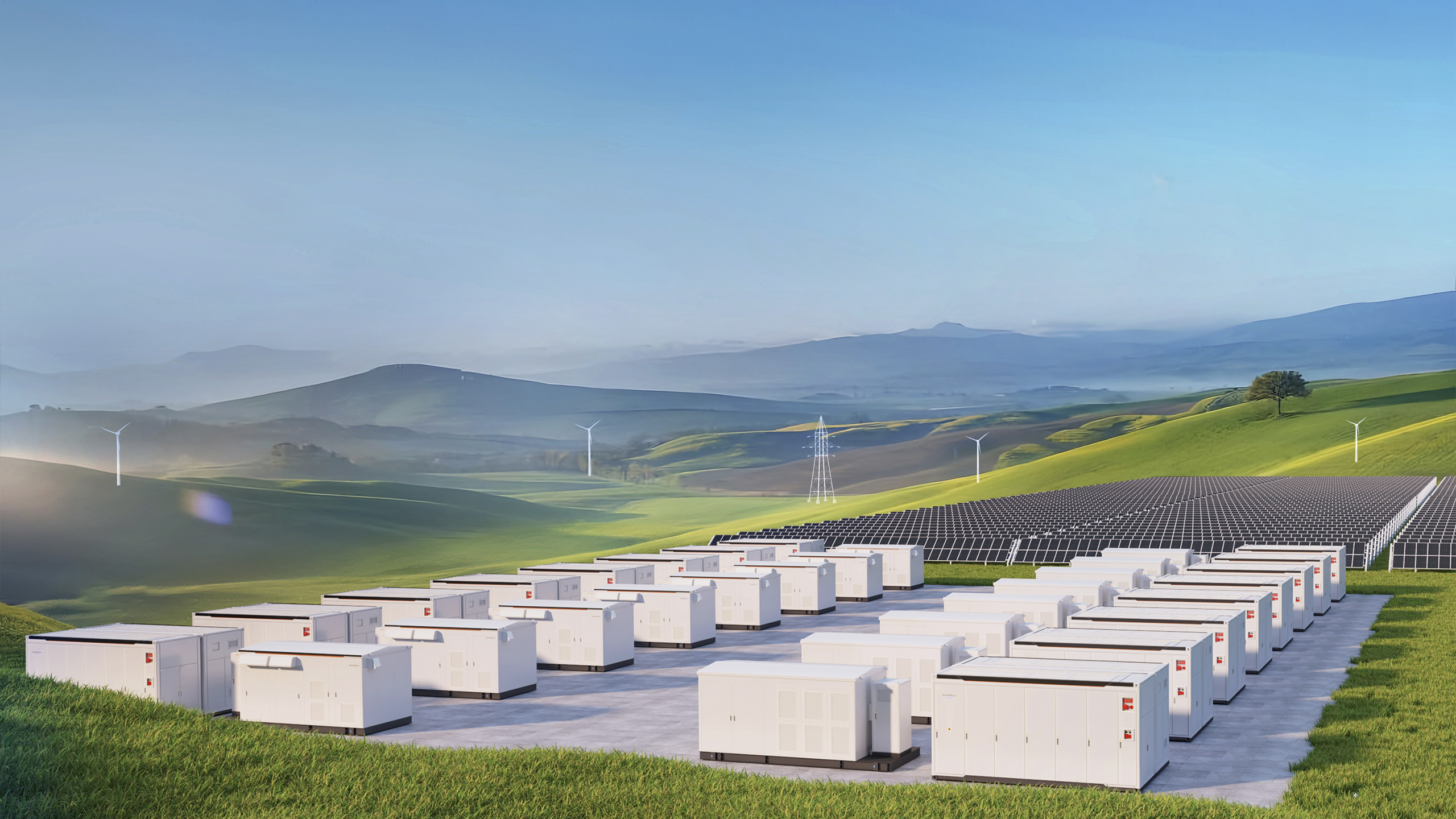
I vividly recall a March 2021 dispatch in ERCOT where an asset owner told me their projected revenue halved after they started performing frequency response and front-of-the-meter reserve — the battery simply wasn’t specified for those mixed duties. I still recommend explicit duty-cycle testing during procurement: run a 0–80% SOC rapid cycle test, log inverter thermal events, and demand manufacturer degradation curves for your specific pack chemistry. No fluff. Owners who skip this step accept surprise replacements and warranty disputes. To be honest — I’ve watched contracts get messy because teams assumed “grid services” meant the battery would behave like a generator; it doesn’t. (Yes — I’ve seen it cost $350k on one 50 MW project.)
What’s Next
Practical alternatives and a forward-looking comparison
Now I pivot to practical choices. Comparing today’s architectures, I favor DC-coupled designs for projects that plan heavy PV shifting, and AC-coupled for retrofit flexibility — each has trade-offs in efficiency and controls. For long-duration commitments, consider modular LFP racks with cell-level monitoring and a robust thermal management package; I supervised a December 2023 repower where swapping to LFP and adding higher-capacity inverters reduced curtailment by 12% and dropped cycle-induced capacity loss projections by 6% over ten years. These numbers matter to wholesale buyers assessing LCOE. When I run comparative models, I include inverter clipping behavior, usable SOC window, and round-trip efficiency as main knobs. Those three terms — inverter, SOC, round-trip efficiency — are not optional metrics to ignore.
Operationally, add a smart energy management layer that enforces conservative SOC bands during high-temperature periods; that reduces emergency replacements. Also think about warranty structure tied to demonstrable duty cycles (not just calendar years). The near-term horizon points toward mixed-service fleets and layered controls — microsecond grid services plus hour-level energy shifting. I encourage teams to stress-test designs against those dual demands. Short pause. Then act. You’ll avoid the common trap of over-optimistic dispatch models that mask real wear.
How should you evaluate suppliers?
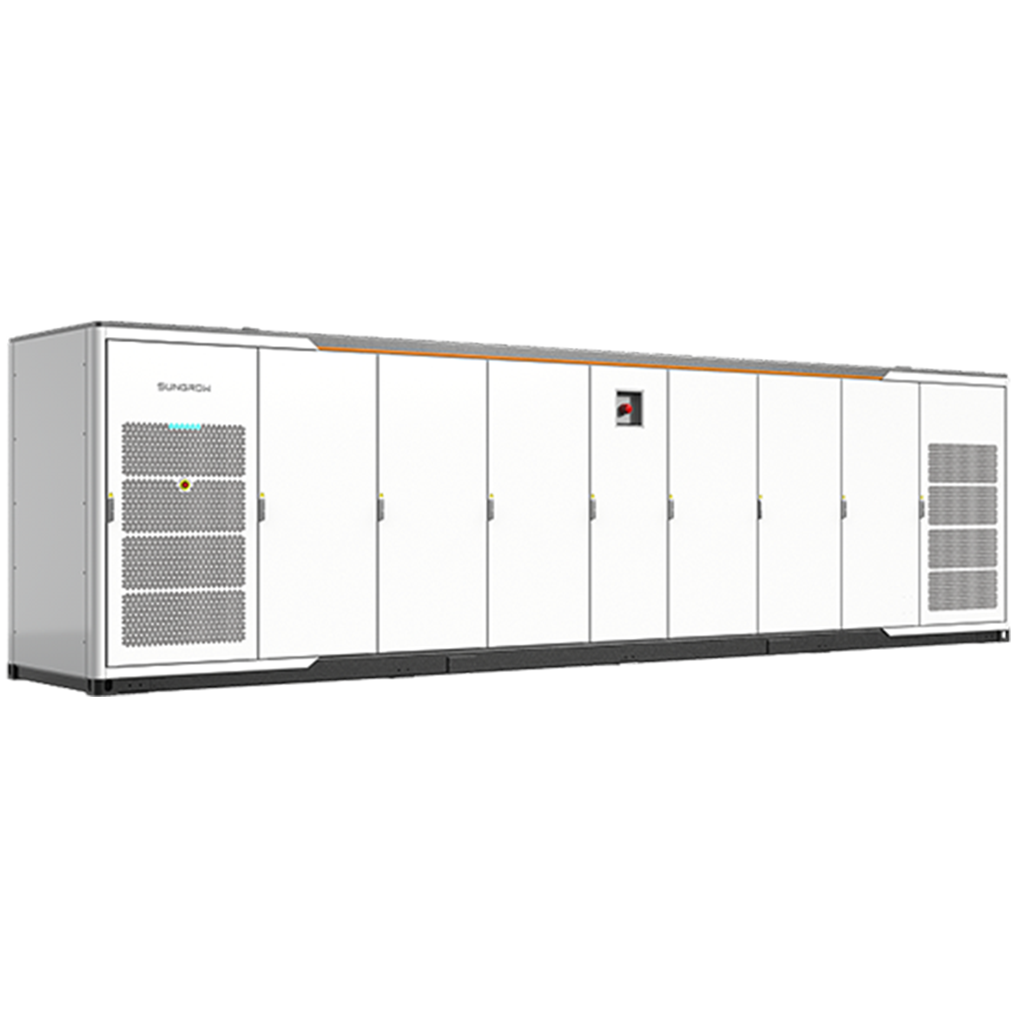
As someone with over 15 years advising asset owners, I give three clear evaluation metrics to weigh proposals: usable energy window (kWh available per cycle), defined degradation curve under your expected duty cycle (cycles to X% capacity), and demonstrated thermal performance with field data. Ask for site reports — not glossy brochures — and require a performance warranty tied to measured outcomes. I prefer bidders who deliver cell-level telemetry samples from a comparable project and who accept modest penalty clauses for missed availability. That practical stance keeps projects honest — no sales-speak, just measurable expectations. One more thing — check for firmware update policies; I’ve seen systems bricked by unsupported control updates. Oops. That matters.
For procurement teams in North America and beyond, compare proposals across those three metrics and you’ll separate durable designs from risky bets. I remain horizontally pragmatic but hopeful about the field’s trajectory. For implementation examples and vendor resources, see utility scale battery storage systems and consider vendors with demonstrable track records. Final note: I’ve helped negotiate warranties that saved clients hundreds of thousands — so ask for specifics up front. For reference and vendor alignment, I recommend sungrow.