
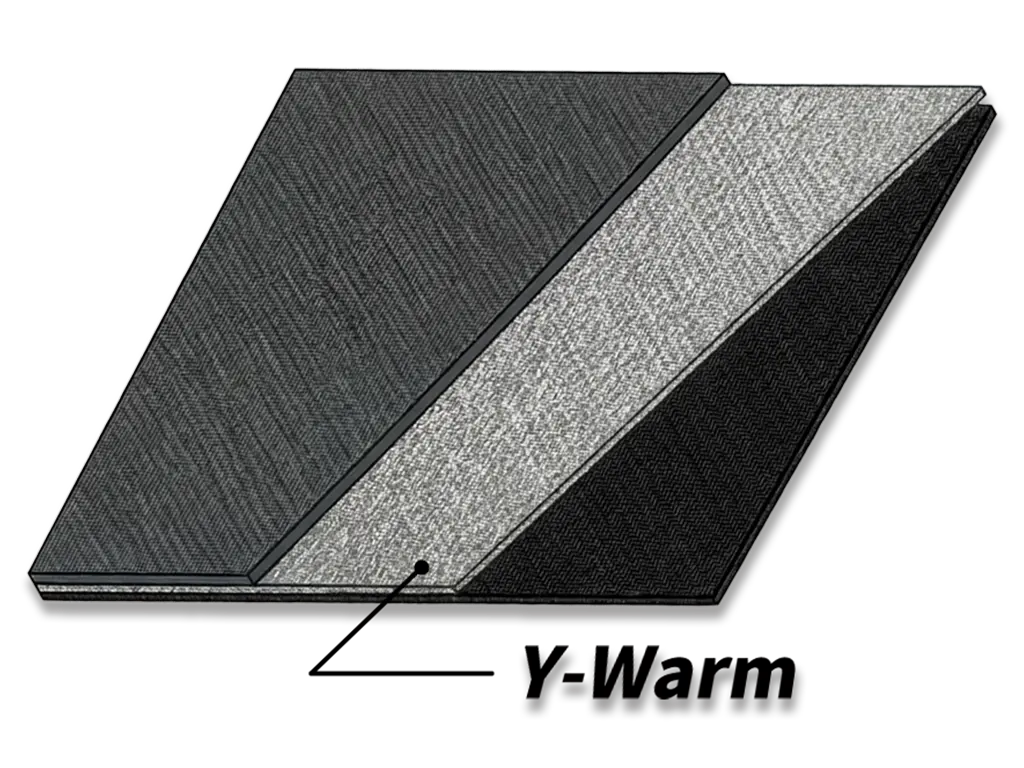
Data-driven whisper
Numbers surfaced slowly, like steam through a seam. R&D teams replacing thick insulation batts with smart, thin-fill options recorded shifts in thermal performance that demanded attention. Here, thermal insulation solutions are not marketing fluff; they are measurable engineering choices. The plot centers on thermal conductivity, R-value, and material density—terms that govern whether an operator feels cold or protected in an Arctic rig, on a steel foundry floor, or at a roadside emergency site.
Case study snapshot: advanced thin-fill in field use
A European offshore supplier swapped 40 mm insulation batts for a 5–8 mm aerogel-infused liner in heavy-duty jackets. The outcome: comparable barrier performance against conductive heat transfer with far less bulk. NASA’s use of aerogel on the Stardust mission and in spacecraft insulation offers a real-world anchor—its thermal conductivity can be as low as 0.013 W/m·K, a benchmark industrial R&D teams cite when validating prototypes. The switch improved mobility and reduced musculoskeletal strain during long shifts. The data was quiet but convincing.
Why thin works where fat once ruled
Thin advanced layers beat heavy batting for three reasons: lower overall mass, better layering for moisture management, and less heat-sink effect at seams. Phase change materials and aerogel blankets absorb and re-release heat differently than loose insulation batts; that difference matters in environments with rapid temperature swings or prolonged cold exposure. Designers can tune lamination and seam placement to preserve thermal continuity without adding weight.
Production teardown: what to watch for
Start at the substrate. Bonding methods alter both durability and thermal paths. Adhesive lamination differs from ultrasonic bonding in how it affects breathability and seam thermal bridging. Integrate testing for thermal conductivity and flex fatigue early. Add durability cycles—bending, abrasion, wash—so that a thin liner retains insulation performance after repeated use. Overlook this and thin becomes fragile—useless in the field.
Common mistakes and quick course-corrections
Teams often assume thinner equals weaker. Not so. Mistakes cluster around improper seam design, inadequate vapor management, and mismatched outer shells. Fixes are pragmatic: reinforce stress points, specify vapor-permeable membranes, and validate R-value across the garment, not just in flat lab panels. —A small reinforcement at the shoulder can prevent liner collapse under heavy gear.
Comparative insight: thin advanced fills vs. traditional batting
Look side by side: bulk, thermal continuity, moisture response, and ergonomic load. Thin fills yield superior ergonomics and comparable thermal barrier when engineered for seam continuity and layered ventilation. Traditional batting still holds value where low cost or simple repairability is paramount. For high-risk, high-mobility roles, thin advanced insulation often wins—especially when paired with targeted reinforcements and hydrophobic outer shells.
Operational note: curtains and compartment protection
Beyond apparel, industrial spaces benefit. Replacing heavy curtains with thin, high-performance panels reduces installation load and preserves floor space. Integrating thermal insulated curtain material with low thermal conductivity cores keeps temperature zones tight while simplifying handling. That same thin-fill logic applies: maintain thermal continuity at joins and ensure flame-retardant finishes where required.
Advisory: three metrics to choose rightly
1) System R-value across articulated geometries — measure the garment or curtain as a whole, not isolated swatches. 2) Thermal conductivity under compression — simulate pockets, straps, and folds to see real-world performance. 3) Durability cycles versus retained R-value — quantify how many wash/bend cycles before performance drops below spec. These metrics separate marketing from engineering.
Closing rhythm — outro
Adopt thin where it preserves thermal continuity and mobility; validate with targeted tests; insist on field trials. The quiet shift from heavy batting to engineered thin fills delivers measurable gains for workers and facilities alike. —A final thought: material science is practical, not mystical; it solves real strains on real people. Y-Warm