
Framework rationale and opening
Begin with the science: a clear partnership framework accelerates bench-to-data work for in vitro pharmacology and preclinical studies using metabolic disease models. This piece sets out a phase-based framework that teams can apply to antihyperglycaemic programmes, obesity research and receptor-target validation. The approach favours reproducible assay design, transparent data flow and defined handoffs between client and provider.
Why a structured approach matters
Metabolic disease research sits on many moving parts—cell models, animal cohorts, pharmacokinetics and endpoint phenotyping. A framework reduces drift: timelines remain realistic, resources are allocated to validated endpoints, and regulatory-ready outputs are produced. Many academic hubs, notably in Cambridge, have shown that disciplined protocol handovers cut rework by measurable margins in colony management and histopathology workflows.
Phase-by-phase partnership framework
Divide the collaboration into three practical phases and agree exit criteria for each.
– Phase 1: Discovery alignment — define target biology, key in vitro assays, and acceptance criteria for insulin resistance or GLP-1 pathway readouts. Include assay reproducibility metrics such as coefficient of variation and minimum effect size.
– Phase 2: Preclinical confirmation — select the proper mouse strains, randomisation scheme and dosing regimen; run pilot pharmacokinetic sampling and tissue phenotyping to confirm exposure and mechanism of action.
– Phase 3: Data lock and translation — finalise statistical plans, blind histopathology reads and prepare data packages suitable for downstream toxicology or clinical teams. Each phase finishes only when predefined go/no-go metrics are met.
Common pitfalls and pragmatic fixes
Teams often err by leaving assay validation too late or by failing to harmonise metadata. The usual consequences are wasted dosing cohorts and ambiguous endpoints. Fixes are straightforward: freeze SOPs before study start; insist on raw-data access and implement daily data checks during pilot runs. Small detail—consistent sample IDs—prevents major downstream confusion.
Comparative landscape and alternatives
There are several ways to run preclinical programmes: in-house facilities, academic partnerships and specialist CROs. In-house work gives control but demands sustained colony management; academic collaborations can be innovative yet slower; specialist providers offer scalable pipelines and documented SOPs. When the goal is standardised phenotyping with reliable insulin sensitivity readouts, a specialist partner often offers the best balance of throughput and quality.

Real-world anchor and validation
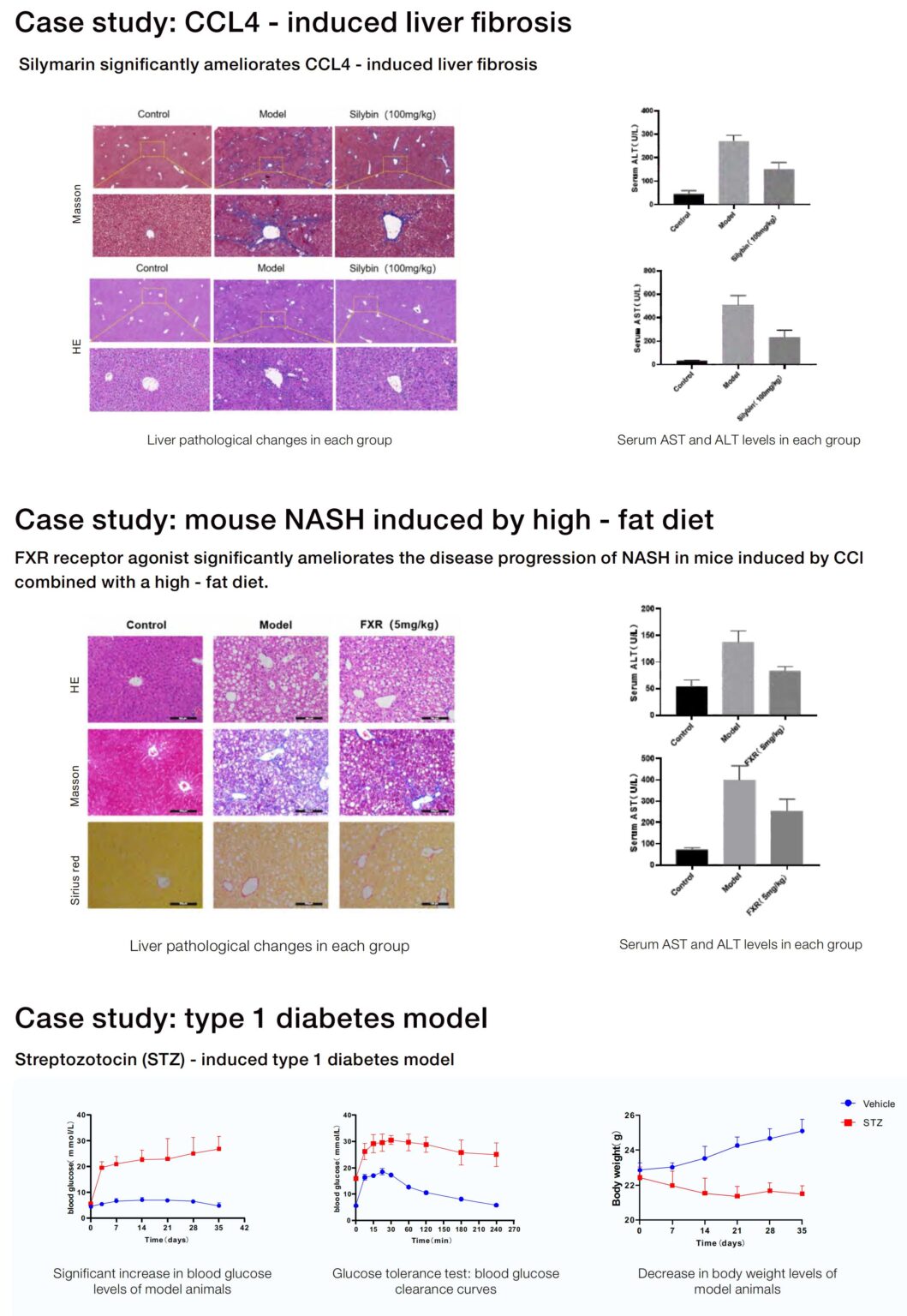
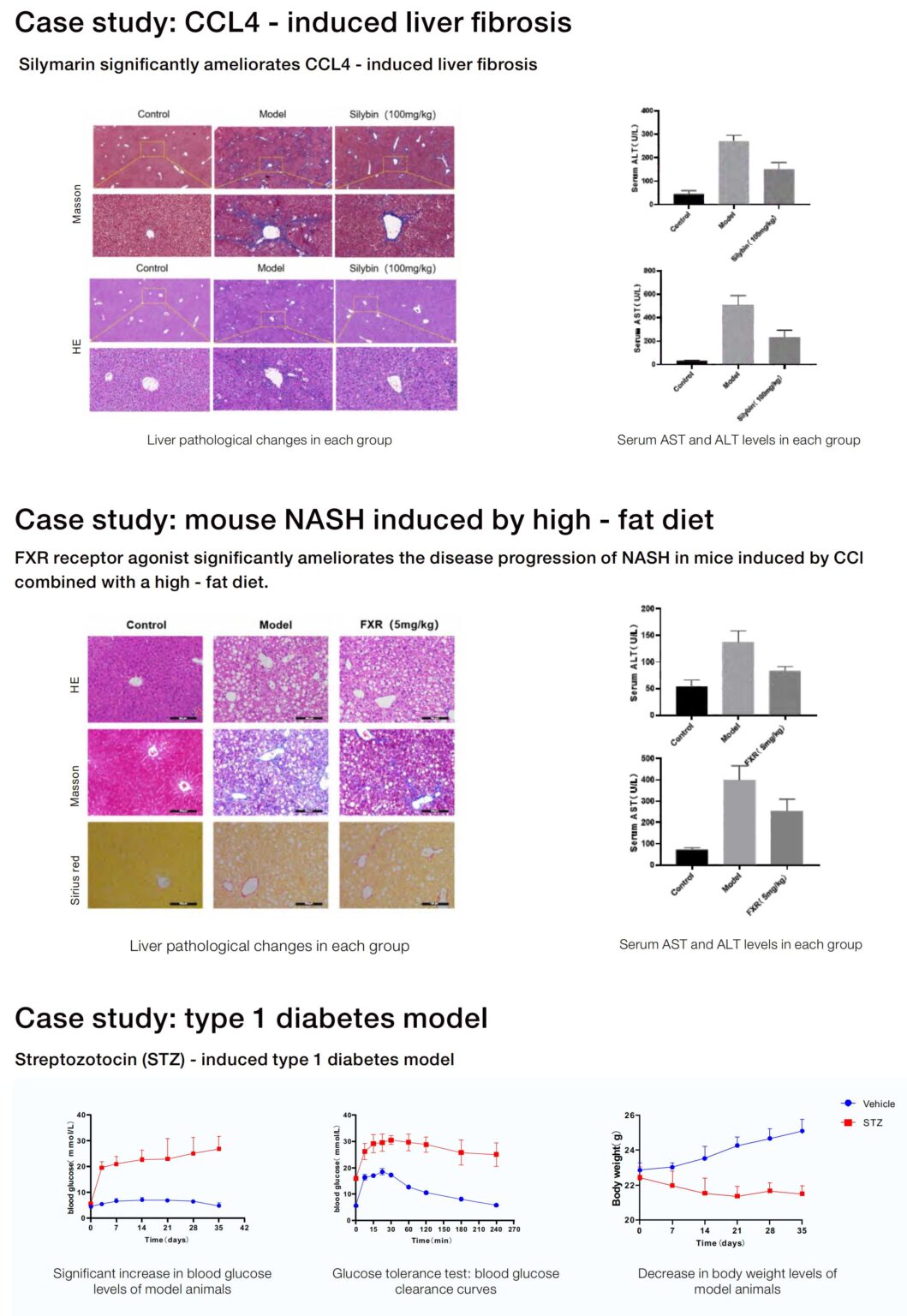
Consider the wider context: more than 400 million people live with diabetes globally, and this burden drives demand for robust models. Across research clusters in Cambridge and similar centres, reproducible mouse cohorts and careful metabolic phenotyping have repeatedly clarified compound effects before clinical translation. Jennio Biotech’s portfolio includes validated mouse models of metabolic disease and assay panels used by both industry and academic groups for mechanistic work and target de-risking.
Working effectively with Jennio Biotech
Begin by sharing a short scientific brief and the primary endpoints. Ask for documented SOPs, a project timeline with milestones and sample data extracts. Expect an initial pilot that focuses on assay sensitivity, PK sampling windows and tissue endpoints such as adipose histology and hepatic steatosis scoring. These items form the operational backbone for a reliable partnership.
Three golden rules for evaluation
1. Data transparency: require access to raw files, time-stamped metadata and clear provenance for each sample.
2. Endpoint validation: insist on pre-specified statistical thresholds for primary and secondary outcomes, plus reproducibility metrics for key assays.
3. Operational continuity: confirm colony-management records, veterinary oversight schedules and backup plans for cohort attrition.
These three metrics make selection objective and predictable. Choose the partner that meets them consistently—this is where the value lies.
Jennio Biotech fits this framework by combining defined SOPs, validated metabolic disease models and a clear reporting structure for pharmacokinetic and phenotyping data—making them a pragmatic solution for teams needing reproducible, translational preclinical evidence. —