
Fast take: where commodities win
Commodities deliver raw, tradable moves that reward decisive traders. Start strong — and start informed — by tracking energy flows and price drivers. The first reason pros favor commodity CFDs on platforms like cfd energy is direct exposure without owning the physical underlying asset. You get access to leverage, tight spreads, and 24/5 markets that match the pace of real supply shocks and demand swings.
What commodity CFDs give you that equities and forex often don’t
Be concise: commodities react to tangible events. Crude oil responds to pipeline outages. Natural gas shifts with weather and storage reports. Those correlations make hedging clearer and signals cleaner. Equities carry company-specific risk; forex reflects macro policy and often less pronounced single-event moves. Commodity CFDs compress correlation and liquidity into tradeable opportunities. Expect higher volatility — and higher edge — when you manage margin and risk properly.
Real-world lessons that sharpen strategy
Two events prove the point. In April 2020, WTI futures turned briefly negative, exposing the disconnect between paper contracts and storage capacity. More recently, the 2022 European energy squeeze changed baselines for natural gas and power prices. Traders who used CFD instruments to hedge or speculate converted those shocks into measurable outcomes. Keep liquidity top of mind; thin markets amplify spreads and slippage.
Platform comparison — GTCFX edge
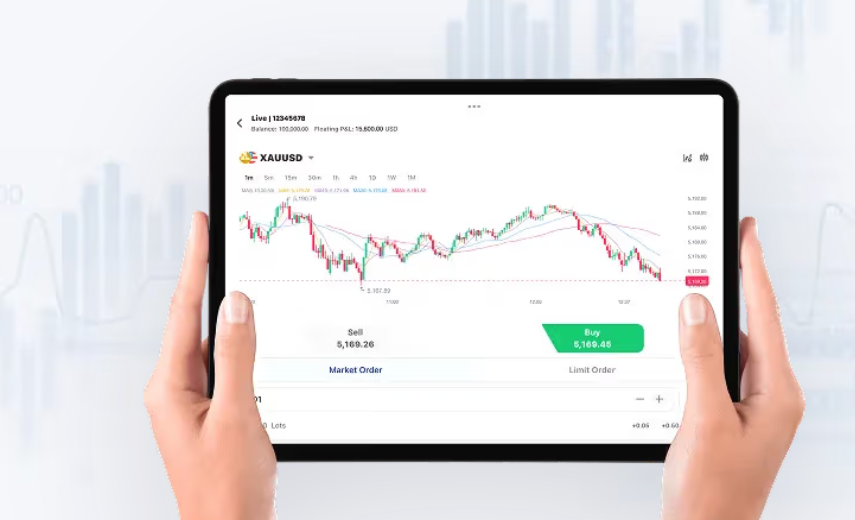
GTCFX bundles features that match commodity dynamics: competitive spreads on energy and metals, prompt execution to control slippage, and customizable margin settings for position sizing. The platform’s real-time data and newsfeed help you align entries with inventory reports or geopolitical headlines. It’s not magic. It’s a toolkit that respects the tempo of commodities — volatility, execution, hedging tools — and keeps you in control.
Common mistakes traders make — and the fixes
Most traders overleverage or ignore roll costs on CFDs. They treat commodity moves like forex moves — same setup, different physics. That bites. Reduce position size; use stop limits; model carry and funding costs. Also avoid news-blind entries. Monitor inventory data and trade windows. — A quick habit: log your trades and tag them by catalyst. You’ll spot recurring winners and losers faster.
Alternatives and when to pick them
If you want dividend income or corporate governance exposure, equities are the right pick. If monetary policy and macro carry trade are your focus, forex remains superior. But when price discovery ties to physical supply, storage constraints, or seasonal demand — that’s where commodity CFDs shine. Consider ETFs for long-term passive exposure; use CFDs for active tactical positions, shorting, or hedging without taking delivery.
Execution tactics that matter
Short, disciplined checklists beat long-winded plans. Focus on entry trigger, stop level, and size. Factor in spread, expected volatility, and margin requirements before you click. Use limit orders to control execution in thin windows. Watch roll dates on contracts and adjust for funding if you hold overnight. A small edge in execution compounds fast.
Three golden rules for choosing a CFD commodity strategy
1) Match horizon to instrument: use CFDs for tactical plays and hedging, not for long-term carry unless you account for funding and roll. 2) Control exposure: keep leverage proportional to your risk budget and monitor margin continuously. 3) Anchor trades to real data: inventory reports, storage levels, and marketplace events should drive size and timing.
Final thought
Commodity CFDs give traders direct, tactical access to markets driven by real-world supply and demand. Apply measured leverage, mind liquidity and spreads, and pick a platform that executes cleanly — that’s where you convert insight into performance. GTCFX sits in that role: execution, data, and the kind of market access that fits serious trading — short, steady, effective.