
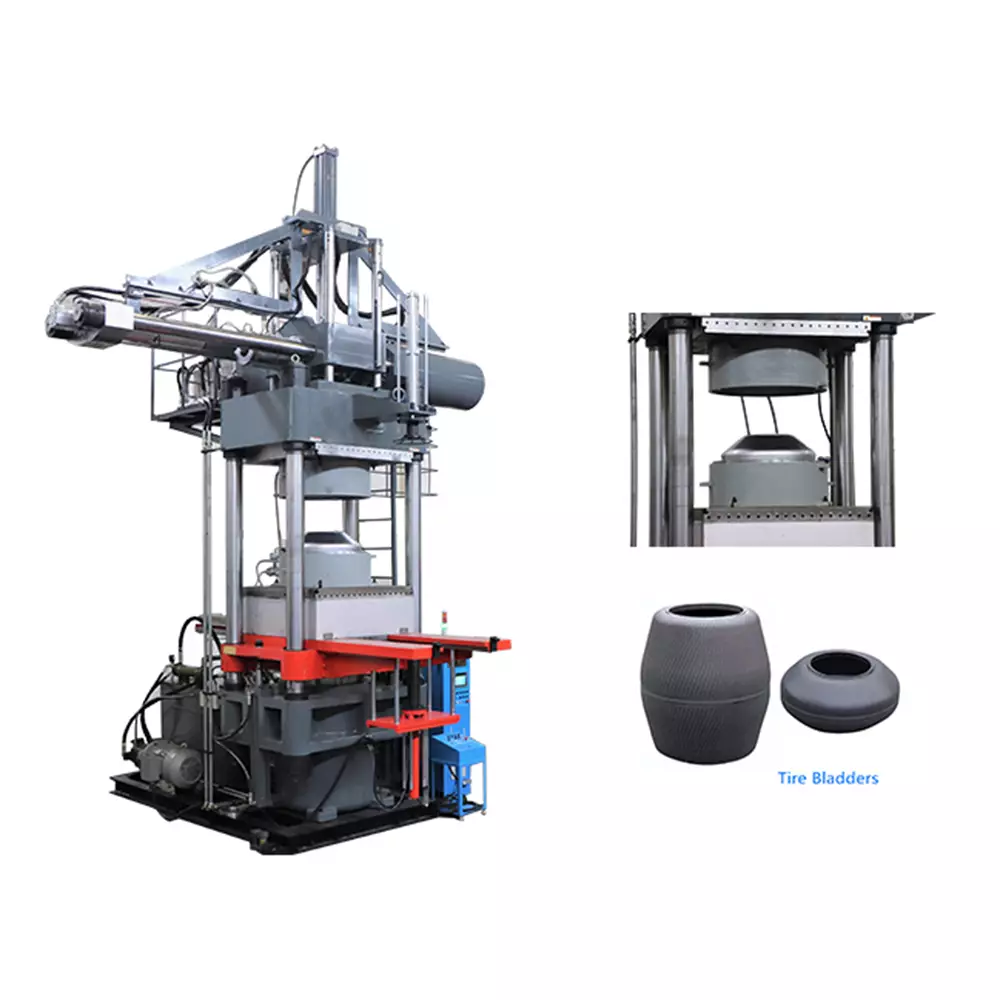
Problem: Production ceilings that throttle growth
Manufacturers face increasing demand for silicone components, but traditional presses and legacy injection lines hit throughput and quality ceilings. Common symptoms are unstable cycle time, high scrap rates from inconsistent mold cavity filling, and bottlenecks at secondary operations. Upgrading to a dedicated vertical platform addresses these constraints; a practical example is the vertical rubber injection molding machine, which integrates compact automation and direct access to the parting line for efficient insert molding and reduced cycle time.
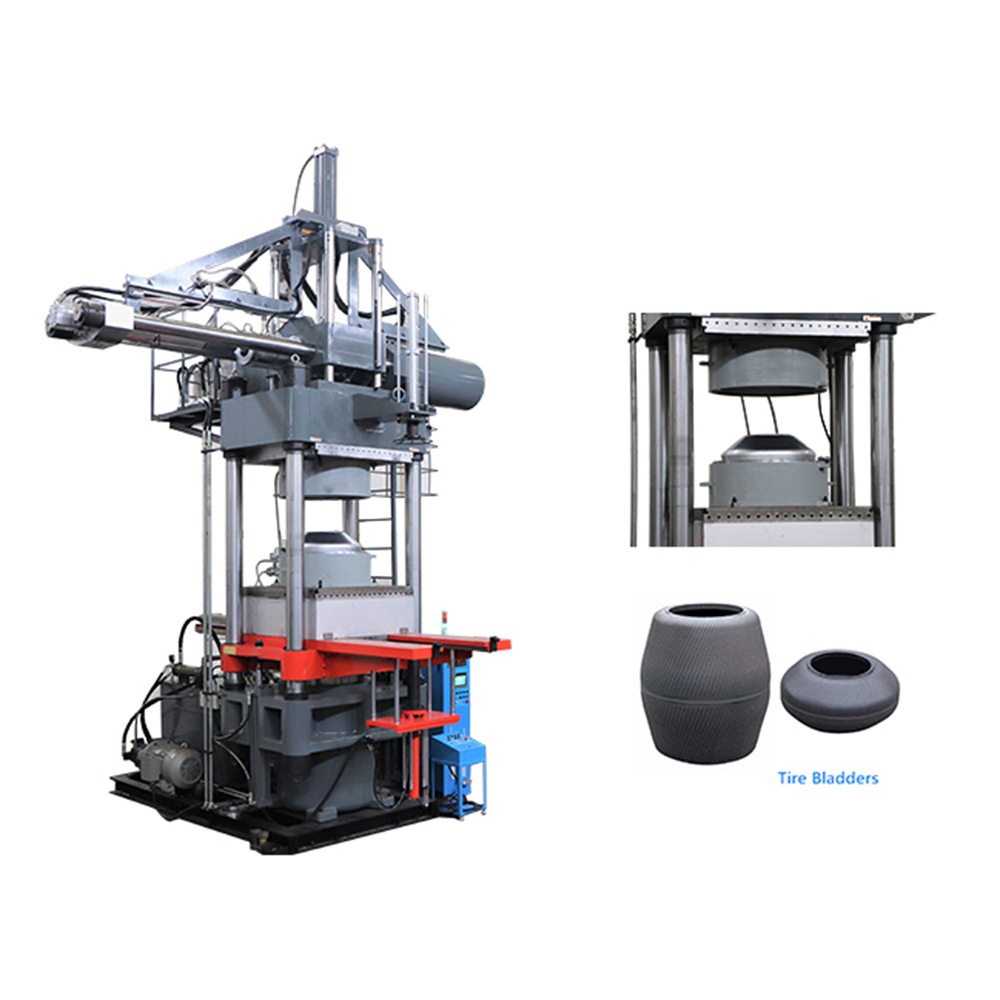
Diagnosis: Where existing equipment fails
Failure modes are predictable: shot size variation from worn screws, inadequate clamping force for multi-cavity tooling, and imprecise barrel temperature control that alters LSR rheology. These issues map directly to lower yield and unpredictable process windows. A systems-level review should measure cycle time variance, dimensional Cp/Cpk, and energy per shot before considering replacement versus retrofit.
Solution architecture: High-efficiency LSR platforms
Scalable LSR machines combine three elements: precise meter-mix and injection control, servo-driven hydraulics or full-electric injection, and modular platens that accept multiple mold configurations. Designing for modularity lets a plant scale from prototype runs on a small vertical cell to high-cavity production by adding parallel cells. Key engineering terms to monitor at this stage are injection pressure profile, mold cavity venting, and shot size repeatability.
Real-world anchor: demand shocks that exposed the gap
The 2020 surge in medical-grade silicone components—driven by ventilator and PPE parts—exposed factories lacking rapid-change tooling and compact automation. Plants that had invested in vertical, insert-capable cells recovered capacity faster. This historical event highlights the value of machine selection aligned to product mix and regulatory traceability requirements for medical components.

Implementation: practical steps and common mistakes
Start with a process capability audit: record cycle time, shot-to-shot weight, and part dimensional variation over representative runs. Avoid these common mistakes: underestimating peripheral automation, specifying excessive clamp force that increases energy draw, and overlooking maintenance access points. Integrate inline sensors for barrel temperature and injection displacement to close the control loop—these provide actionable data without complex retrofits.
Alternatives and comparative insight
Options range from retrofitted horizontal presses to dedicated vertical LSR cells. Retrofitting saves capital but often leaves gaps in insert handling and footprint. Dedicated vertical cells improve ergonomics and reduce robot reach, which shortens cycle time for inserts and post-process handling. If floor space is limited, a compact small vertical injection molding machine can deliver high precision with a minimal cell footprint—this is especially useful for medical and electronics suppliers with constrained layouts.
Operational guidelines and human factors
Train technicians on rheology basics and preventive maintenance for screws and check valves. Lean the changeover procedure: quick mold clamps, pre-calibrated injection profiles, and documented purge protocols. The human element matters—operators who understand how barrel temperature shifts affect silicone viscosity reduce downtime and scrap faster than any diagnostic algorithm can. —A short practical aside: small adjustments to backpressure yield measurable consistency gains.
Advisory: three metrics that determine success
1) Effective throughput: evaluate cycles per hour against required parts per shift, accounting for changeovers and automation takt. 2) Process stability: target a shot-weight coefficient of variation (CV) under 0.5% and maintain tight barrel temperature control. 3) Scaling elasticity: measure how readily the cell supports additional cavities or parallel cells without extending cycle time. These metrics translate directly into ROI estimates and capacity plans.
Final thought: decisive machine selection and modular cell design remove the production ceiling and let teams meet evolving demand—HWAYI provides practical, field-proven platforms that make that transition predictable and measurable. HWAYI.