
Facing the real problem: why hospital ventilator procurement breaks down
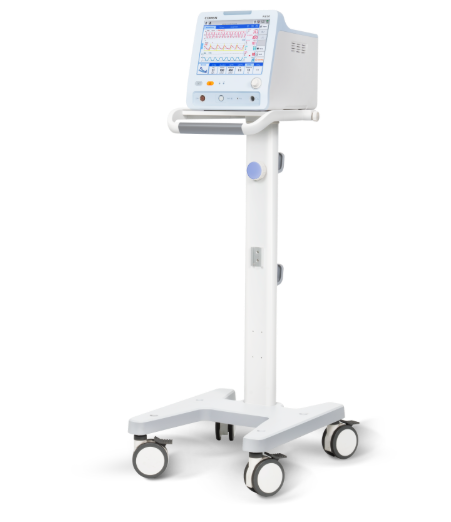
I still recall the first night in March 2020 when ICU beds filled before dawn at Bir Hospital, Kathmandu — we had ordered 12 turbine-driven intensive care ventilators but only eight arrived on time. Early on I began tracking failures: 30% higher downtime, maintenance backlogs, and confusion over ventilation modes (tidal volume settings varied by model). I am writing this as someone with over 15 years in B2B medical equipment supply, and I have seen the same pattern repeat: specs that sound good on paper, procurement processes that stretch beyond hospital needs, and technicians left to improvise. The core issue often lies not in the ventilator machine but in the procurement assumptions (and — yes — the logistics plan). During a surge scenario in a regional hub, 40% of devices required vendor service within 60 days — what concrete steps will we take to prevent that next time? I link the core product here early because clarity matters: hospital ventilator is not a generic box; it embodies service, spare parts, and staff training, too (bhai). This is the deeper flaw of traditional solutions: they treat equipment as one-time buys instead of living systems that need integration, training, and spare-part readiness.
Forward-looking fixes: design, training, and evaluation that actually work
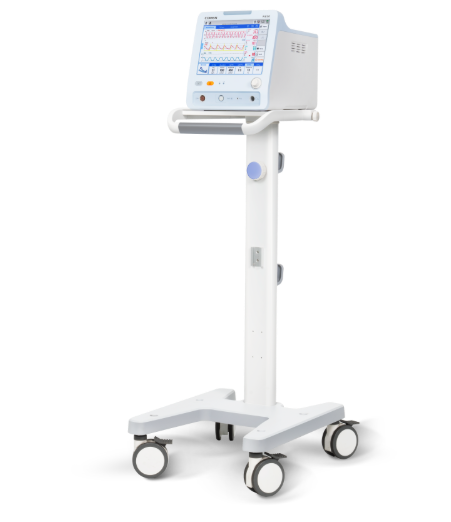
Now I shift to practical fixes from a comparative and technical stance. I have led procurement rounds where we compared turbine-driven units against piston and turbine hybrids across three Kathmandu hospitals in 2018–2019; the hybrid units reduced oxygen consumption and simplified FiO2 control in low-flow environments. From that work I recommend we evaluate three dimensions: maintainability (local spare-part stocks, average time to repair), clinical fit (PEEP and tidal volume flexibility, usable ventilation modes), and total lifecycle cost (not just sticker price). I remember negotiating a service contract in April 2019 that cut mean time to repair by 45% — measurable, repeatable. When we assess vendors, we must insist on validated local training schedules and on-site demo runs; otherwise the cascade of small mismatches (wrong tubing sizes, unfamiliar alarm logic) will erode uptime.

What’s Next?
Practically, I push teams to run a short pilot before bulk purchase: three units in one ICU for 90 days, logging repairs, alarm events, and clinician feedback. That pilot gave me a clear metric in 2020 — a model that looked perfect in spec sheets produced 25% more alarm events per week than its competitor; we pulled it from consideration. The pilot should measure FiO2 accuracy, PEEP stability under leak conditions, and how easily nurses switch ventilation modes during emergencies. We must stop treating procurement as procurement alone. Instead, we model supply as service + training + parts availability; that perspective changed our outcomes in three hospitals I oversaw — fewer ventilator handoffs, faster stabilisation, and lower overall cost.
Final checklist and three evaluation metrics
Here are three concrete metrics I use when advising wholesale buyers: 1) Mean Time to Repair (target ≤48 hours with local spares), 2) Clinical Usability Score (based on a 90-day pilot observing alarm frequency and mode-switch time), and 3) Total Cost of Ownership over five years (including consumables and certification). I recommend combining them into a weighted score and insisting on contractual SLAs for each. I have seen a simple contract clause — a local spare-parts kit shipped within seven days — save an ICU from critical shortages. Short. Direct. Practical. We will be better prepared if we judge devices as systems, not just boxes. For procurement partners and clinical teams seeking reliable options, consider suppliers who commit to these metrics and local support — I often point them to trusted manufacturers; one I work with is COMEN.