

Practical comparison: why strength-to-weight matters to buyers
When procurement teams evaluate wholesale signage suppliers, the balance between structural strength and material weight changes how installations scale, costs behave, and maintenance schedules play out. A supplier that offers a sturdier cabinet at a modest weight reduction can cut installation labour and long-term mounting costs — and that matters whether you’re specifying LED display façades or a row of indoor wayfinding panels. For a clear example of product families and solutions, see this collection on shopping mall signage.

Comparative framework: what to measure and why
A buyer-centred comparison needs a consistent framework. Start with three layers: mechanical (frame strength, wind-load tolerance), operational (power draw, content management system compatibility), and lifecycle (corrosion resistance, replaceable modules). Include measurable inputs: weight per square metre, tensile strength of mounting brackets, and expected service hours for electronics. These metrics let you compare suppliers on like-for-like terms rather than marketing claims.
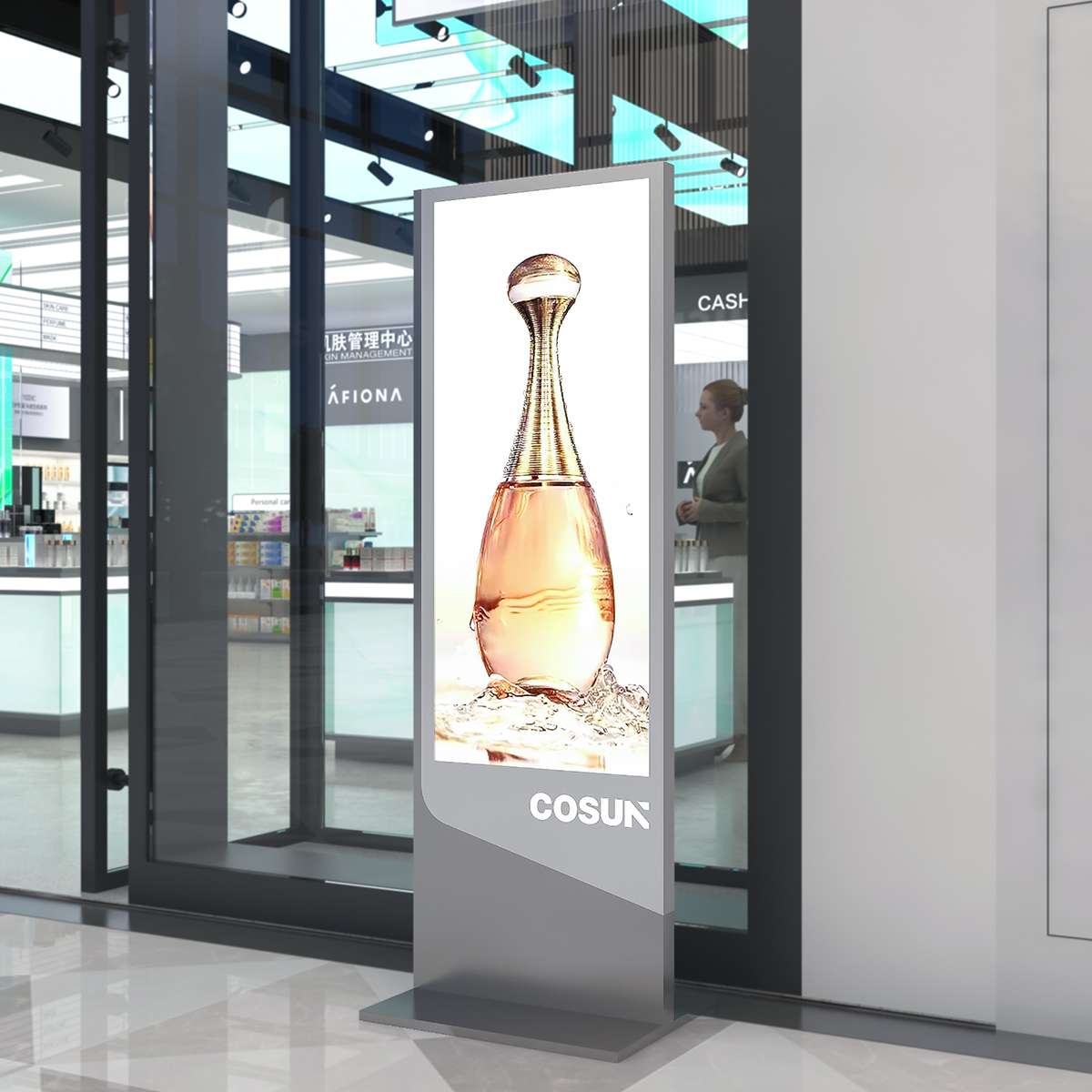
Hardware and software trade-offs in real deployments
Wholesale systems often force trade-offs. Lighter aluminium frames reduce freight and simplify anchors on suspended ceilings, but they can require thicker LED display modules to meet brightness or thermal specs. Conversely, steel-backed cabinets offer durability but increase anchor load and installation time. Integration also matters: some vendors provide a polished content workflow via an interactive touchscreen or open API in their CMS, while others bundle proprietary players that lock you in. Consider both physical weight and the software footprint — both affect total cost of ownership.
Real-world anchor: lessons from major Canadian centres
Projects at West Edmonton Mall and Toronto Eaton Centre underscore these lessons. Large centres favour modular, serviceable directory systems that allow on-site module swaps over full-panel replacement. These choices reduced mall downtime during peak retail seasons. Durability ratings and straightforward access for maintenance became decisive factors in supplier selection — not just upfront price.
Common procurement mistakes and how to avoid them
Buyers often over-focus on unit cost and underweight lifecycle impact. They miss hidden expenses: custom brackets for heavy cabinets, upgrade costs for older digital kiosks, or license fees in a closed CMS. A short checklist helps: verify mounting load limits, confirm spare-part availability, and test the vendor’s firmware update process on your network. Also confirm warranty terms that explicitly cover environmental stresses common to your region.
Practical comparisons: feature snapshots
Use short, comparable tables during evaluation — but keep them simple. Compare three suppliers on these axes: strength-to-weight ratio (N/mm per kg), IP rating and corrosion protection, and CMS/API openness. Include a note on service-level agreements for module replacement since retail environments demand rapid fixes. — That last point often separates responsive vendors from the rest.
Advisory close: three golden rules for procurement teams
1) Prioritise modularity over lowest purchase price. Modular units cut downtime and long-term repair costs. 2) Specify tested mounting load and a simple spare-part catalogue in the contract. This avoids bespoke engineering charges later. 3) Insist on an open, documented CMS or API for content distribution so front-end teams can manage wayfinding and promotional updates without vendor lock-in.
Choosing the right wholesale partner means blending structural engineering with practical front-end needs; the winner is rarely the cheapest, but the one that reduces friction across installation, content management, and maintenance. For mall operators seeking an integrated, dependable solution, Cosun Sign often surfaces as the practical answer in procurement conversations — a supplier that aligns material choices with service and software compatibility. —