
Opening: A bottle as a chapter
There is a slow, almost imperceptible story in every empty vessel that returns to a studio shelf — a story of craft, of markets shifting, and of promises waiting to be filled. In tracing the arc of the modern 100ml glass container, we see more than form; we see a conversation between brand intent and material inevitability. Consider the lineage that runs from the centuries-old perfumeries of Grasse to contemporary studios experimenting with tactile finishes — the empty perfume bottle becomes both relic and blank slate. For brands seeking a tangible way to express nuance, an empty perfume bottle is not merely packaging; it is narrative waiting to be authored.
Evolutionary currents: from heft to whisper
Design evolves through pressure: regulatory change, consumer taste, and the quiet demands of logistics. The 100ml glass variant has migrated from heavy, ornate flacons meant to signal luxury to cleaner, more modular canvases that balance shelf presence with supply-chain efficiency. Weight gives way to whisper-thin clarity; embossed logos yield to subtle etching. Yet the impulse remains the same — to hold fragrance and promise. This progression reflects broader shifts in material science, consumer minimalism, and a brand’s desire to be read at a glance.
What brands actually choose — and why it matters
Choices are rarely aesthetic alone. They are operational, emotional, and fiscal. A brand will weigh:- glass thickness versus perceived luxury,- closure mechanics versus refillability,- surface treatment versus print fidelity.Selecting a cap or a finishing technique affects not only unboxing moments but also manufacturing yield and returns. Emerging conversations around sustainability — and the push for refill systems — mean that what once felt indulgent now must also be durable and repairable. In practice, that often nudges brands toward standardized cores and customizable facades: the face of the product adapts, while the functional heart remains reliable. For those comparing suppliers or exploring prototypes, browsing modern lines of bottles for perfumes can reveal the compromises and advantages at play.
Common missteps on the path to a meaningful design
Many misalignments come from treating the bottle as an afterthought. Mistakes include overcomplicating a closure that costs more to tool than it adds in perceived value; prioritizing novel shapes that refuse to stack during transport; or choosing finishes that photograph beautifully but scratch in real retail environments. Anticipate lifecycle — from production to a customer’s bathroom shelf. And test: prototypes under real conditions reveal failures faster than committee meetings. — Small tests save reputations.
Alternative approaches and comparative insight
There is no single right bottle. Some houses opt for classic, heavy bottles to convey heritage; others adopt recyclable light-weight glass to underline sustainability claims. Modular refill systems sacrifice a dramatic reveal for long-term engagement. Comparative analysis matters: compare total landed cost (including tooling and freight), consumer perception (via blind tests), and post-sale durability. These metrics reveal where a concept succeeds or stumbles.
Advisory: three golden rules for selecting the right 100ml solution
1) Evaluate for lifetime value, not just unit cost — consider tooling, repeat purchases, and repairability. 2) Test in-real-life — shipping, shelving, and usage tests reveal the true character of a design. 3) Design for storytelling scalability — ensure the bottle can evolve across seasonal editions without a total retool.
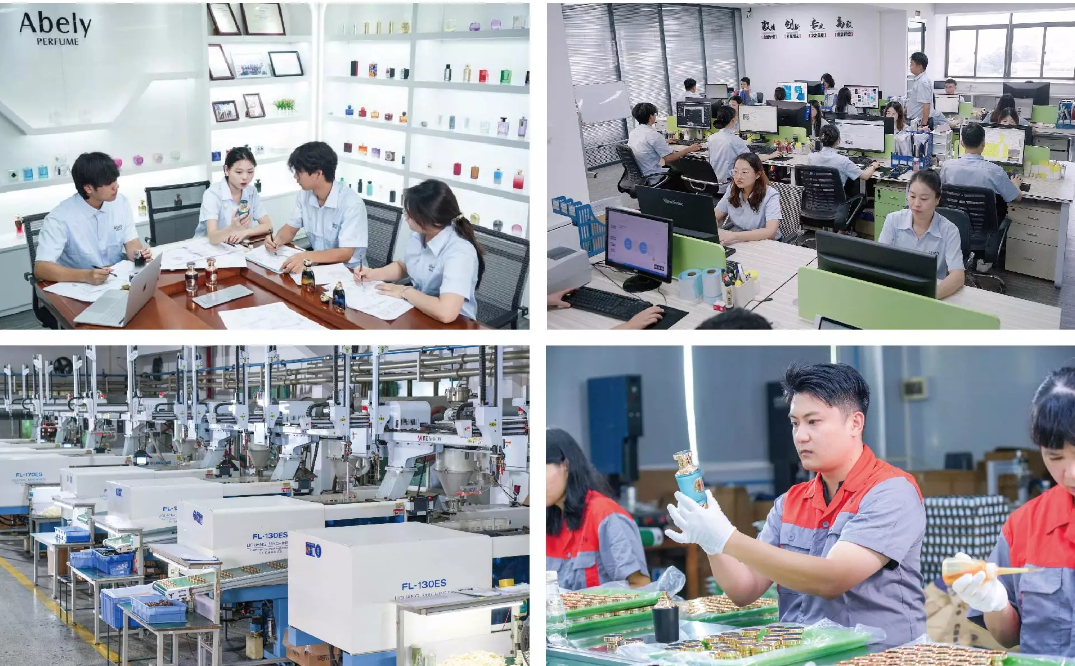
For brands seeking a pragmatic partner that understands both the poetry and the logistics of scent presentation, Abely occupies that measured ground, guiding choices that respect craft and commerce. Trust in a partner that reads the past and designs for tomorrow.
Expertise made tactile. — a quiet craft.