

A comparative opening on routes and risk
The ocean lanes that carry millions of kilowatt-hours worth of equipment are frayed; logistics choices now split projects and profit. Comparing sea freight, consolidated container flows, and multimodal corridors reveals trade-offs for mass-produced hybrid inverter cargo and the complementary all in one storage units manufacturers bundle with PV modules. Sea freight offers scale and lower unit cost, but storage density, weight distribution, and port handling change the calculus for sensitive electronics like hybrid inverter assemblies and battery packs.

Where the comparison matters: cost, time, and handling
Ocean shipping reduces per-unit freight cost but increases exposure to delays and humidity-related damage. Air freight cuts lead times dramatically at a severe cost premium and seldom makes sense for full production runs. Multimodal dispatch blends both: sea for bulk legs, short-haul air or rail for urgent inland legs. The choice hinges on three practical vectors: value density of the cargo, sensitivity to transit time, and on-ground handling capability. Items with integrated battery storage and onboard BMS require insulated loading and specific segregation during lashing; these are not optional details but determinants of insurance class and port acceptance.
Lessons learned from real disruptions
The Suez Canal blockage in March 2021 is an apt anchor: it exposed how a single chokepoint can ripple through component supply chains and delay inverter deployments by weeks. Ports such as Rotterdam and Shanghai then logged cascading delays, forcing manufacturers to reroute and rebook—often at higher cost. In practice, teams have adapted by staging inventory in regional hubs, shortening the final-mile sprint for commissioning. This adjustment pairs well with modular all-in-one home energy storage system designs that tolerate staggered delivery and onsite assembly.
Practical comparisons in packing and dispatch strategy
Packed density and secure mounting change freight class. Manufacturers that optimize crate interiors for shock isolation, moisture control, and easy inspection reduce dwell at customs and salvage claims. Cross-compare three standard approaches: palletized bulk with vapor-barrier wraps; foam-lined bespoke crates with integrated sensors; and smart crates equipped with temperature and tilt logging. The smart-crate approach drives up upfront packaging cost but shortens dispute resolution and insurance friction—often offsetting the extra outlay on long routes. Planning for battery storage certification paperwork is equally crucial; missing declarations stall clearance.
Common mistakes to avoid
Shippers routinely underrate humidity, overpack electronics without ventilation, and neglect inland terminal compatibility. Another recurring error is treating hybrid inverter shipments the same as passive PV modules—these boxes contain active components and battery cells and require different stowage. Small oversights in documentation or pallet patterning lead to demurrage and rework at ports—costs that multiply faster than freight rates on a delayed schedule. —A realistic-minded logistics lead will build contingency lanes and hold a partial buffer stock in-market.
Comparative operational frameworks that work
Successful teams select one of three frameworks: central-distribution (large single port, longer inland transport), regional-hub (smaller inventory points near demand centers), or just-in-time modular delivery (frequent small shipments timed to installers). Each aligns differently with product design. For example, stacked PV and integrated battery designs favor regional hubs because onsite coupling and commissioning are easier when units arrive as smaller, pre-tested modules. Integrating the supply plan with commissioning crews reduces idle labor and accelerates revenue recognition.
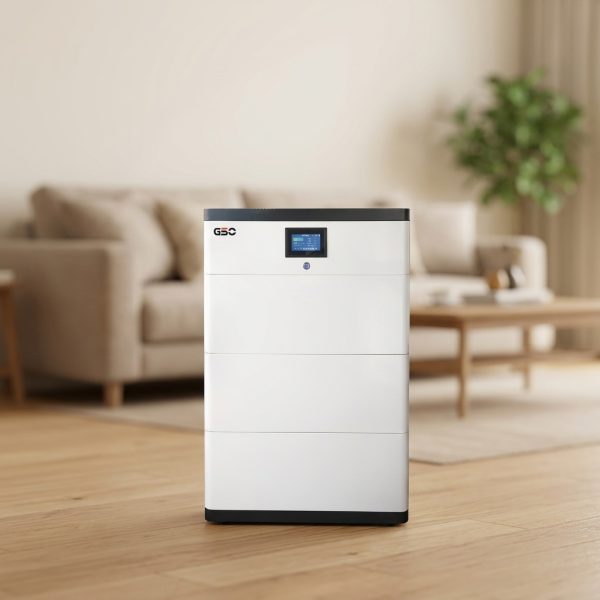
Evaluation metrics — three golden rules for choosing routes and partners
1) Integrity Score: Measure damage claims per thousand units and require packaging tests that simulate sea-air transitions. Choose partners with low historic claim ratios for electronics and battery storage.
2) Time-Risk Ratio: Quantify expected transit time against the cost of delay per site. If delay costs exceed freight savings, opt for faster legs or regional buffering.
3) Regulatory Readiness: Verify certifications, battery declarations, and customs harmonization before booking. A single missing certificate can impose weeks of delay and steep rework costs.
These rules point to one clear outcome: when mass shipments intersect with sensitive electronics and integrated systems, logistics becomes an extension of product design. For projects that need dependable staging and tested integration, a partner that designs shipping around modular assembly fills a gap ordinary freight plans miss—consider the practical value that all in one home energy storage system configurations bring when regional hubs reduce the final-mile risk. gsopower. –