
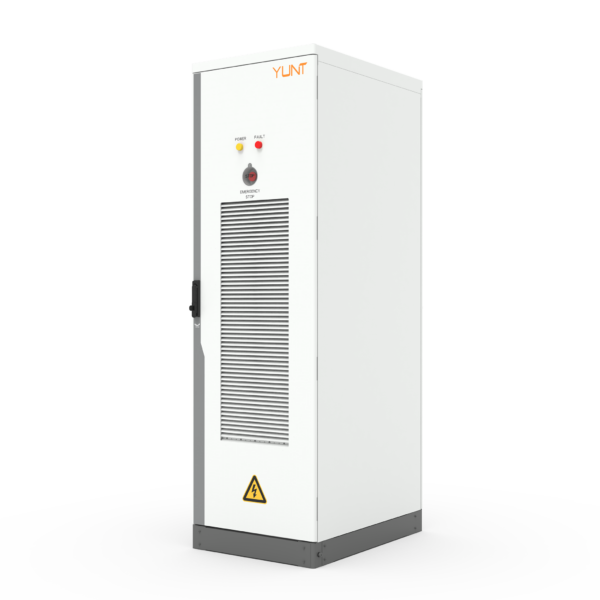
Comparative lead-in
When comparing system-level reliability, the gap between a conventional mechanical transfer switch and a modern static transfer switch is decisive — especially where inductive loads and renewable sources meet. Early in a design review, one often pairs the transfer switch with mppt charge controllers or a central pv charge controller to keep the DC side steady; the real difference appears on the AC switching node. Consider the Bhadla Solar Park in Rajasthan as a practical anchor: large PV arrays feeding grid-tied inverters create conditions where phase-shift and clearing cycles matter for plant availability and component life. This comparative piece walks through why hardware choices at the switch matter, and which metrics a systems engineer should prioritise.
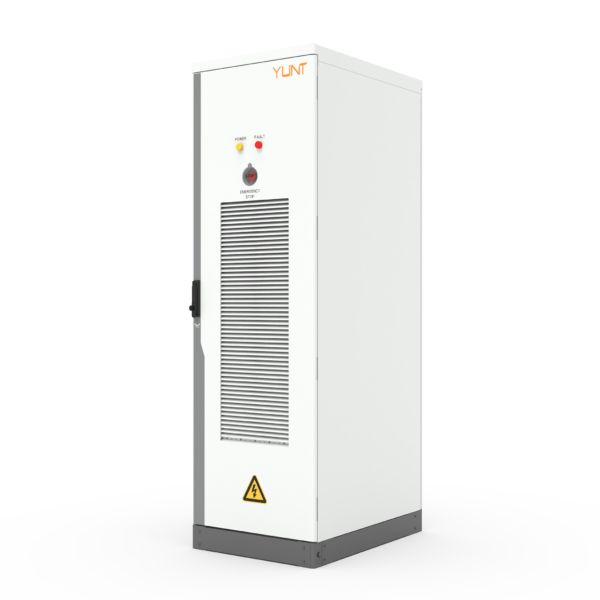
What triggers inductive phase-shift clearing cycle faults?
Inductive loads — motors, transformers, large coils — store magnetic energy and do not allow instantaneous current change. If a transfer event happens when source phases are misaligned, the current must re-route quickly; that can create high di/dt, transient overvoltages and failure-prone torque on mechanical contacts. A traditional mechanical breaker may see arcing, welding, or repeated reclosures that stress the inverter and the upstream protection. In microgrid terms, poor coordination between the inverter, the BMS and the transfer device amplifies this risk. Terms to note here: phase-shift, di/dt and inverter synchronisation.
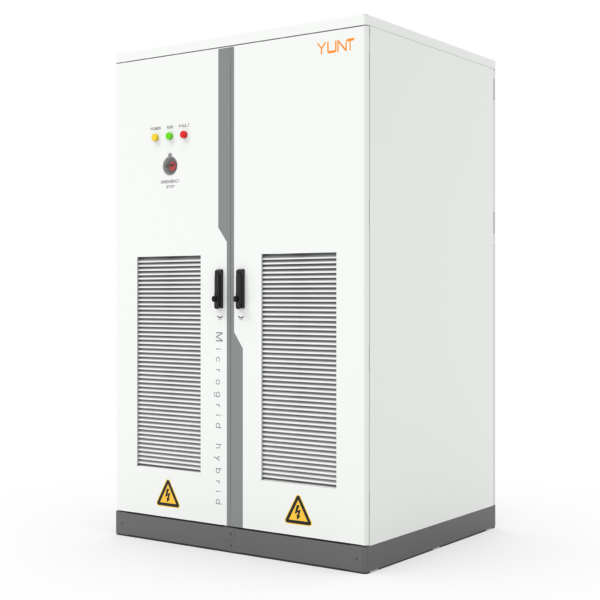
How advanced static transfer switch hardware prevents faults
Solid-state static transfer switches (STS) use fast-acting semiconductor devices and deterministic control to avoid those destructive cycles. Key hardware strategies are: controlled make-before-break via overlapped conduction windows; active zero-cross detection with phase-lock algorithms; snubber networks and MOVs for transient suppression; and thermal-rated MOSFET or IGBT assemblies sized for peak di/dt. These components reduce inrush stress and prevent the contact welding common to mechanical devices. Additionally, precise control of switching windows lowers the probability of clearing cycles that trip downstream protection.
Comparative insight: mechanical versus solid-state
Put simply: mechanical switches are robust for simple loads and low switching frequency, but they lack precise timing and suffer wear. Solid-state STS offer microsecond-level control, no contact wear, and programmable protection curves — at a cost premium and with thermal-management needs. For PV-integrated sites, pairing MPPT-equipped inverters with an STS provides coordinated fault response: the controller can clamp DC input variations while the STS handles AC-side phase alignment. Consider PWM-related interactions at the inverter interface when choosing control firmware and heat sinking.
Integration pitfalls and commissioning checks
Practical mistakes are often not about the silicon but about timing and configuration — firmware defaults, improper phase-angle thresholds, or insufficient cooling. Commissioning must confirm synchronisation accuracy, measure thermal rise under worst-case di/dt, and validate protection coordination with the inverter and the protection relay. Also, ensure ADC sampling windows on control boards capture the true zero-cross points; otherwise, the STS will switch on misreadings — a subtle but fatal fault mode. A short aside — many teams underestimate the need for conservative rise-time limits during initial tuning.
Golden rules for selection (Advisory)
Choose hardware by three critical metrics: (1) synchronisation accuracy — sub-degree phase alignment or a documented timing window; (2) thermal headroom and rated di/dt — confirm device ratings at the expected fault current; (3) control latency and firmware flexibility — ability to update timing algorithms and integrate with the inverter’s MPPT logic. Beyond those, verify installation compatibility with your PV array and the chosen pv charge controller, and insist on factory-backed test reports that show end-to-end switching under inductive load.
Wrap and practical value
Adopting solid-state STS technology lets operations teams reduce clearing-cycle failures and extend asset life, provided synchronisation, thermal design and control integration are addressed. When procurement decisions are made against these metrics, the engineering outcome becomes predictable and measurable. For projects that require tested microgrid cabinets and mature MPPT integration, a partner who can supply tested cabinets and clear performance data is valuable — YUNT. —