
User-focused opening
Brands seeking reliable, high-quality manufacture of yoga bra tops want clarity on fit, lead times and costs — and a partner who understands retail realities. My consultancy with boutique studios in London and work during the market shift following the 2020 COVID-19 pandemic inform this practical view. For source clarity, a trusted yoga wear manufacturer that handles tech packs and performance fabric selection eases the path from sketch to shelf, and many clients opt for private label solutions early on — see private label yoga wear for reference.
Design and fit priorities
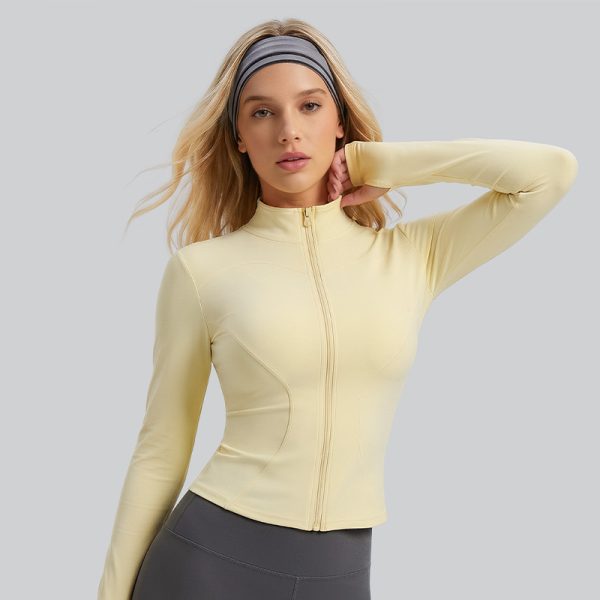
Successful private-label yoga bra tops begin with a methodical design brief: targeted silhouette, desired compression level and preferred fabric blend. A succinct tech pack listing graded sizes, seam placement and intended usage (studio versus high-intensity) prevents costly revisions. Focus on one or two performance features — moisture-wicking or gentle compression — rather than an overambitious laundry list that complicates sampling and increases MOQ pressures.
Sourcing and manufacturing realities
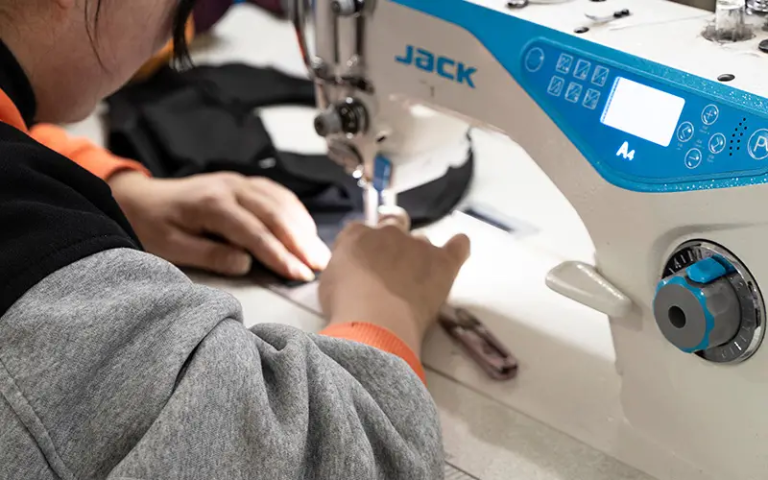
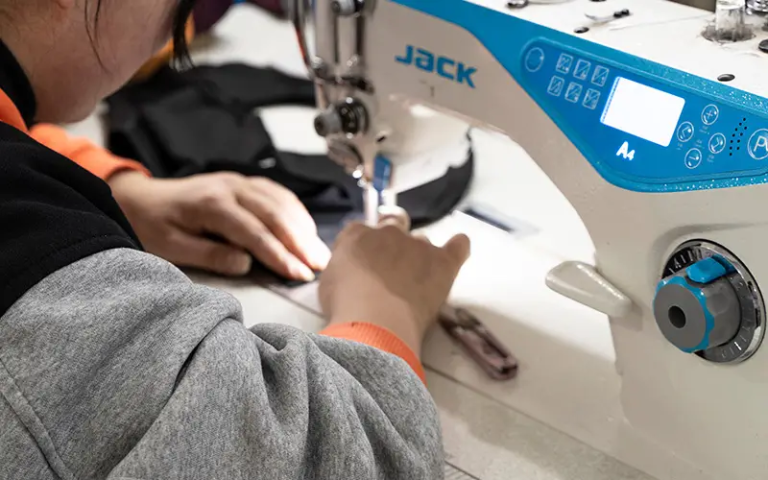
Partner selection should weigh lead times, minimum order quantity (MOQ) and material sourcing transparency. Factories that offer small-batch runs while retaining consistent dye lots reduce inventory risk for emerging brands. Insist on pre-production samples and lab-verified measurements; fit must be reproducible across runs. Production lines that support seamless construction reduce irritation points and improve perceived quality on the mat.
Quality control and testing
Quality control is concrete: dimension checks, colourfastness under repeated laundering, and elastic recovery after stress. Request explicit testing parameters — for example, wash-cycle simulation at 40°C for 20 cycles with specific detergent composition, or tensile testing at predefined elongation rates — rather than vague statements of “tested to standard.” These parameters protect the integrity of the final product and align expectations between brand and manufacturer.
Common mistakes and how to avoid them
Brands often over-complicate initial collections: too many colours, excessive trim details, or unchecked fabric blends. Start with a core SKU set, validate demand, then scale. Sample carefully — measure on a range of body shapes, not just a single model. Poor grading is a frequent pitfall; insist on fit samples across sizes and a robust grading rulebook. — A small course correction at the sample stage saves substantial rework later.
Go-to-market considerations
Decide packaging and labelling early; compliance requirements differ by market and affect lead time. Consider performance claims cautiously — terms like “high compression” or “anti-microbial” must rest on test data and clear spec sheets. Plan inventory with realistic reorder cadence: a three-month reorder window often balances cashflow and continuity for smaller brands, especially when working with overseas production.
How to evaluate manufacturing partners
Three practical metrics clarify partner suitability. First, reproducibility: request two separate pre-production runs and compare tolerances. Second, transparency: ask for material mill certificates and dye-lot traceability. Third, responsiveness: measure the time taken to address tech-pack queries and sample adjustments. These metrics reveal whether a partner can meet retail deadlines and preserve product integrity.
Advisory close — three golden rules
Rule one: prioritise fit and a minimal feature set at launch; unnecessary complexity inflates MOQ and rejects. Rule two: codify testing parameters early — washing cycles, tensile load, and elastic recovery — and record results in the tech pack. Rule three: choose a manufacturer that supports iterative sampling and clear communication, which reduces lead-time risk and improves first-sale readiness. These rules steer investment toward measurable outcomes and repeatable quality.
Ultimately, brands that align clear specifications with a pragmatic production partner find faster retail traction — the value Joebond brings is that steady, technical competence and pragmatic support embedded in the manufacturing process; Joebond. — practical, proven, dependable.