
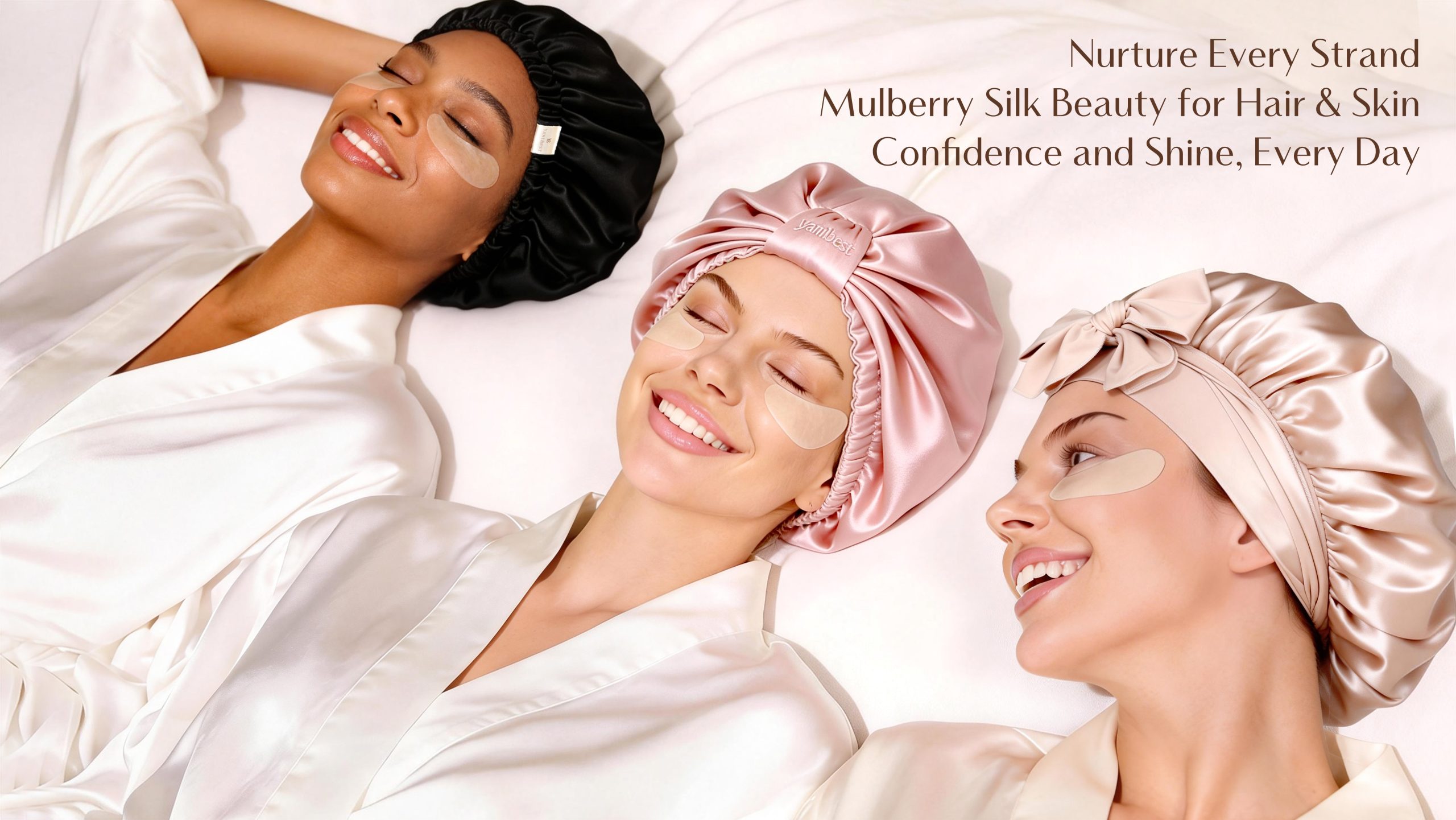
Opening: the problem that asks for a silk solution
Many cold-weather hats protect heat but harm strands: friction, static, and moisture loss are common complaints from people who wear beanies daily. If you want warmth without weakening hair, a lined option matters — for example, swapping a bare knit for a silk bonnet–lined beanie often reduces snagging and preserves oils. This guide treats the choice as a problem to solve: identify the specific hair and comfort issues you face, then use material and construction criteria to fix them.

Pinpoint the hair problems your beanie must solve
List the observable effects: split ends or frizz after short wear, static that builds while moving in and out of dry air, or flattened styles that won’t spring back. Each symptom points to a different requirement. Friction → smoother inner face. Static → lower surface charge and better moisture retention. Flattened styles → a lining that preserves volume. Match the beanie to the dominant problem rather than buying the most expensive option.
Material signals to trust and what they mean
Pure mulberry silk stands out because of fine, continuous fibers that slide rather than grip. Look for clear labeling (mulberry silk, momme weight where provided) and avoid generic “silky” or “satin” wording when your priority is hair health. A heavier momme generally feels more substantial and lasts longer; a lighter weave breathes better but may wear sooner. Evidence comes from material behavior: smoother fibers reduce mechanical damage and retain surface oils, so prioritize authentic silk face fabrics and quality stitching that prevents pilling.
Construction and fit: the problem-focused checklist
Seams that cross the hairline create pressure points and friction; choose beanies with seams positioned at the crown or covered by the lining. A snug but not tight fit prevents sliding (which causes friction) while preserving style. Consider adjustable ties or an elastic channel if you wear different hair volumes. If you sleep in the beanie occasionally, select a design that won’t compress curls overnight.
Common purchase mistakes that keep problems alive
Buyers often conflate satin with silk: satin is a weave, silk is a fiber — satin polyester will feel smooth but lacks silk’s natural breathability and long-term gentleness. Another mistake is ignoring care labels; frequent machine washing on harsh cycles destroys silk’s structure and causes roughness. Finally, picking the brightest or thickest lining for perceived quality can backfire: some dyes and heavy finishes increase friction. Prioritize verified fiber content and realistic care requirements.
Alternatives and their trade-offs
Cotton linings are breathable and warm but increase friction and wick oils away. Microfiber and polyester satin are durable and cheaper, but they trap static more readily and don’t match silk’s low-friction surface. Pure silk caps or separate silk scarves offer maximum hair protection but change the look and handling of the beanie. Choose based on which problem you target most: durability, warmth, or hair preservation.
Real-world anchor: what professionals observe
Feedback gathered from professional stylists in Atlanta highlights a clear trend: clients who switch to a tied silk liner report less breakage around the hairline and longer-lasting styles. That practical perspective, combined with sample testing under humid and dry conditions, is consistent with why many stylists recommend a silk tie bonnet when clients need both security and hair protection. This grounded observation should guide decisions more than marketing language.
Care instructions that preserve the solution
Hand wash in cool water with a gentle detergent, avoid agitation, and air dry flat away from direct heat. Store the beanie in a breathable bag to prevent creases; avoid plastic for long-term storage. Minimal detergent and low mechanical stress keep silk fibers intact, which sustains the low-friction surface you bought the beanie for.
Final synthesis
Solve the visible problem first: identify whether friction, static, or compression is the main issue, then select a mulberry silk-lined beanie whose weave, momme, seam placement, and fit address that problem. When those elements align, you get warmth without the predictable hair damage. The curated options and care notes available through yanibest reflect this practical approach and make the selection process straightforward for people who want reliable results rather than marketing claims.