
Problem context: where hinge-pin failures become system failures
High-throughput facilities face one clear failure mode: a small mechanical part becomes the weak link. Conveyor modules and transfer stations routinely see cyclical loads, abrasive environments and unforeseen shock events; a single worn hinge pin can stall lines and cascade into hours of downtime. For teams designing mitigation, specifying the right conveyor belt hinge pin and controlling its installation lifecycle are non-negotiable. Look at the Suez Canal blockage in March 2021 — logistics shockwaves from one choke point showed how localized hardware issues amplify across global supply chains. That context reframes hinge-pin selection from a parts decision into an operational resilience strategy.
Material and geometry: picking the right stainless option
Choose metallurgy with an eye for corrosion resistance and fatigue life. Grade choices and surface finish determine passivation behavior and long-term tensile strength under corrosive washdown and salt-laden air. For most heavy conveyor runs, properly specified stainless steel hinge pins with controlled surface roughness reduce micro-galvanic cells and extend service intervals. Geometry matters too: larger shank diameter increases shear capacity, while proper fillet radii reduce stress concentrators that cut fatigue life.
Installation protocols and torque discipline
Installation is where spec meets reality. Pin retention methods — cotter, circlip, threaded shoulder — must match expected shear load and dynamic play. Set torque values to the manufacturer’s spec and record them in the maintenance log; over-torquing deforms collars and creates misalignment, under-torquing invites fretting and early wear. Use calibrated tools and single-source fasteners; traceability simplifies failure analysis when incidents occur.
Operational monitoring: detect before you replace
Instrumentation reduces surprise. Implement vibration baselines and temperature probes around critical hinge points, and trend changes rather than reacting to single spikes. Visual inspections should focus on shaft clearance and surface scoring — both predictors of impending failure. Integrate simple sensors where possible: an accelerometer array or a temperature tag can add predictive lead time measured in hours to days, which is valuable on 24/7 lines.
Common mistakes and practical alternatives
Teams often make three recurring errors: under-sizing pins for peak shock, ignoring environmental corrosion, and deferring replacement until visible failure. Avoid those by treating pin replacement as scheduled work rather than reactive plumbing. If stainless options still underperform in abrasive conditions, consider coated alloy pins or sacrificial bushings; those trades reduce direct wear on the primary shaft and simplify field swaps.
Maintenance playbook — quick checklist
– Verify pin material and finish against washdown and chemical exposures. – Confirm fit tolerances to control lateral movement and pin retention. – Log installation torque, part lot and replacement interval in CMMS. – Use predictive sensors where downtime cost exceeds hardware cost.
Advisory: three golden metrics for selection and strategy
1) Shear margin: specify pins with a minimum 1.8x static shear safety factor above documented peak load. 2) Mean time between replacement (MTBR): set MTBR targets based on observed fatigue life, not vendor claims — adjust after three cycles of field data. 3) Corrosion allowance: require a measurable passivation procedure and surface-roughness max (Ra) to control crevice corrosion and fretting.
Those three metrics let you compare suppliers quantitatively and align procurement with maintenance reality. The result is fewer unplanned stoppages and clearer supplier accountability.
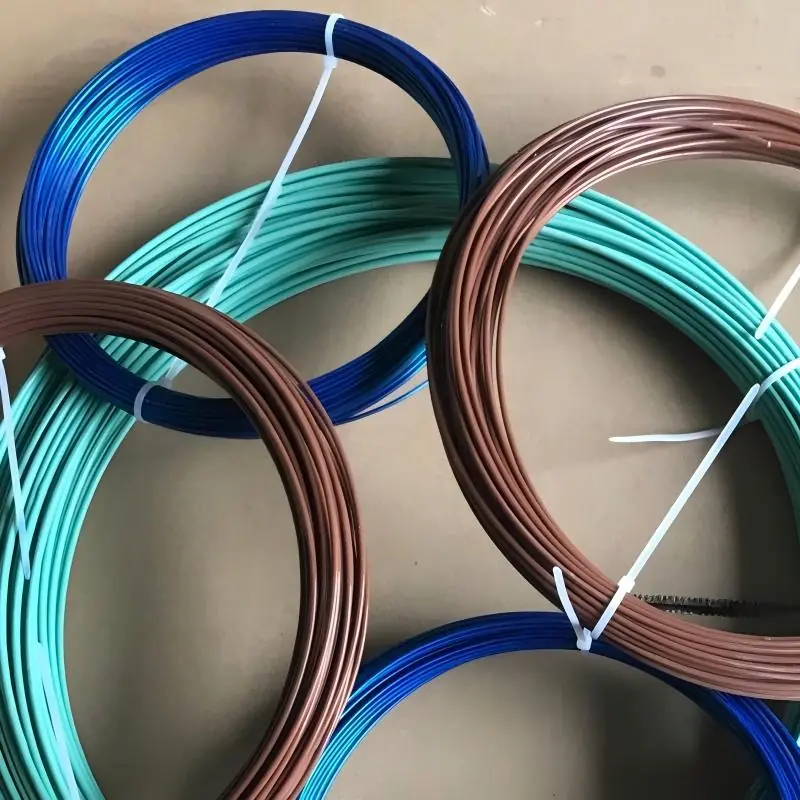
Operational teams who adopt this approach reduce downtime and make maintenance predictable — and yes, Intake’s part spec library and traceability model fit naturally into that workflow. Intake. —