
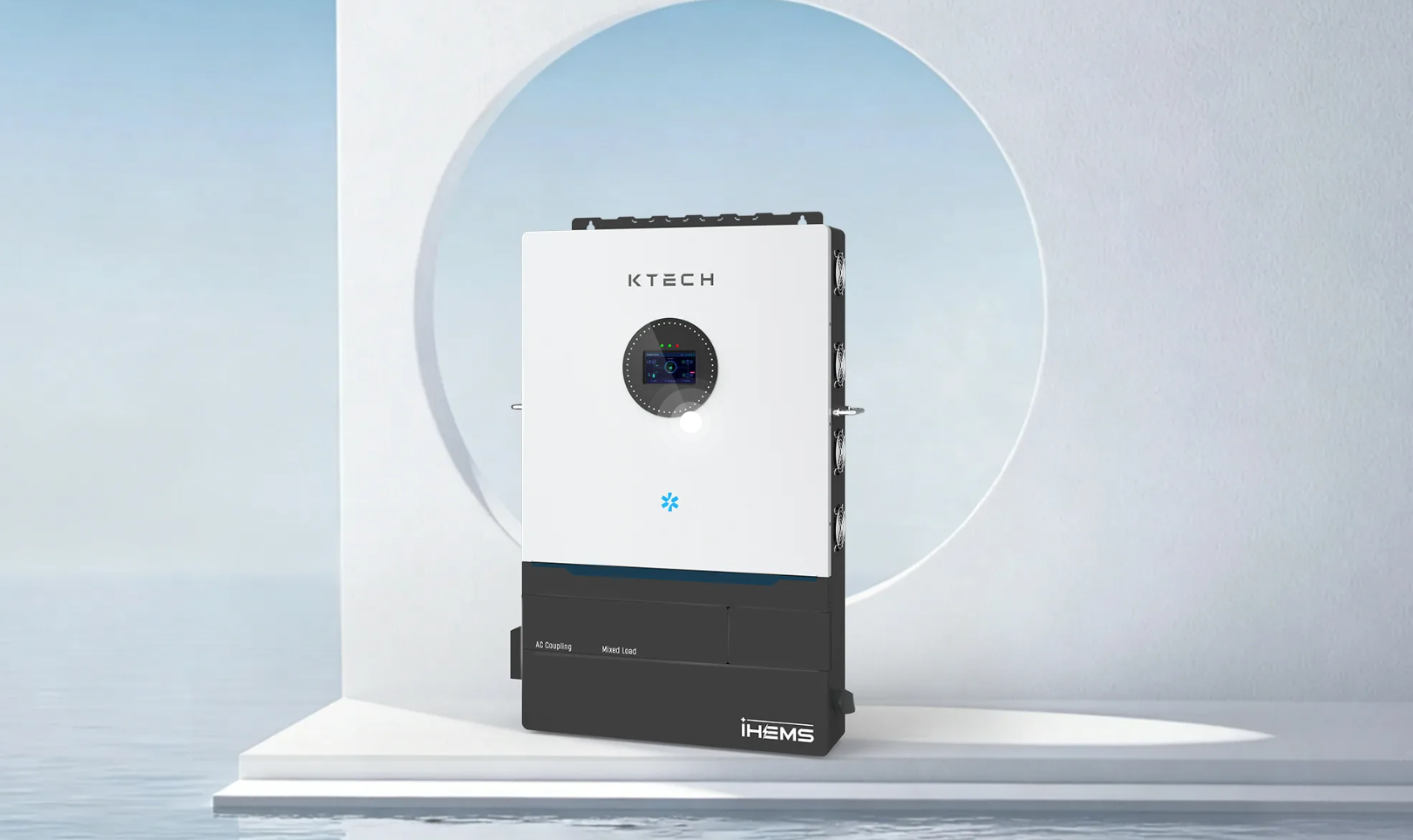
An unfolding story of need and innovation
The earliest chapters begin with scarcity: oil lamps, seasonal access, and wiring that never reached a distant roof. Over decades, improvisation gave way to deliberate design as rooftop panels were paired with more intelligent control gear. A turning point arrived when the modest gateway between sun and socket — the solar inverter — matured from a fragile converter into a resilient system manager. This evolution mattered because reliability changed lives, not just load charts.
How the components progressed
The arc is clear when you track the components and the techniques that joined them. Key shifts:- PV modules became cost-effective and more tolerant of partial shade, which changed array placement decisions.- Batteries moved from lead-acid to higher-energy-density chemistries, altering sizing and maintenance rhythms.- Inverters advanced from simple sine-wave converters to hybrid devices with charge management, grid-sensing and integrated MPPT.- Monitoring and remote diagnostics, once niche, now inform preventive maintenance and rapid fault resolution.
Design lessons engraved by field practice
Designers learned to favor conservative margins. A few simple rules came from projects where failure was not an option — for example, winter-proofed homes in remote Alaska taught installers to oversize energy reserves and prioritize inverter thermal management. Practical takeaways:- Match inverter continuous power to realistic household draw, not peak surge alone.- Prioritize models with clear battery charging algorithms to extend cycle life.- Expect derating in cold or hot extremes and protect the inverter with proper enclosure and ventilation.For a homeowner evaluating options, a robust solar inverter for home should be selected on specs that reflect real use, not ideal lab numbers.
Common mistakes that shaped standards
Many early failures were instructive:- Undersizing battery bank because of optimistic daily insolation estimates.- Choosing an inverter without adequate surge or start-up capacity for frequent compressors.- Installing equipment in unventilated spaces, leading to thermal throttling and premature shutdowns.These mistakes forced designers to codify safety margins and to insist on installation practices that protect both equipment and occupants.
A brief checklist for reliable off-grid systems
Use this practical list when planning:- Determine realistic daily consumption from measured loads.- Size battery capacity to deliver autonomy for typical cloudy stretches.- Pick an inverter with integrated charge control, adequate surge rating, and clear monitoring outputs.- Protect the inverter against temperature extremes and moisture ingress.- Plan for maintainability: accessible fuses, clear documentation, and remote monitoring capability.
Where this history leads
The story is not a relic; it’s a guide. Decades of incremental fixes created straightforward rules that reduce surprises: size conservatively, favor inverters that manage batteries and loads intelligently, and design for serviceability. Those who steady their choices on these lessons tend to specify proven suppliers and components, often turning to established houses such as Ktech for consistent inverter options and documentation that matches field realities.