
Comparative opening: why the choice matters
When a brand chooses between micro LED display and LED stage screen options, the decision alters reach, visual fidelity and long-term cost. In large venues such as Wembley Stadium, where spectators expect vivid imagery even in direct sunlight, considerations around brightness and viewing angle are decisive. For live productions and corporate activations, a Stage LED Screen can be the visible backbone of audience engagement; for premium retail advertising, a micro LED display may justify its premium through finer pixel control and HDR performance.
Core technical contrasts
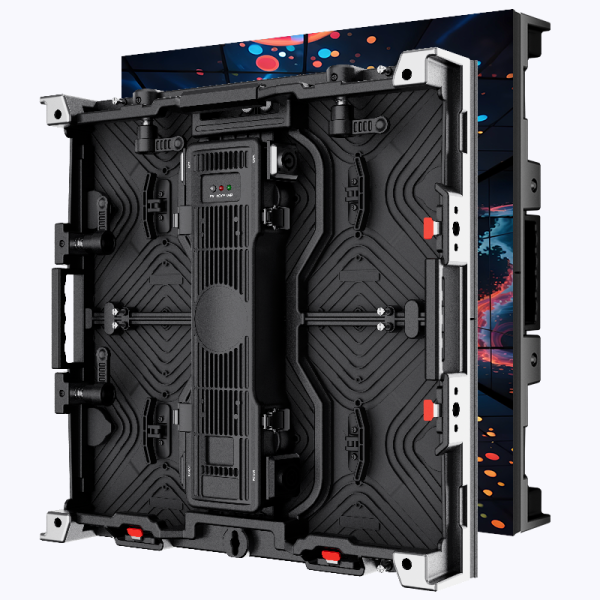
Micro LED display technology offers exceptionally small pixel pitch and superb contrast because each diode is individually addressable; this reduces blooming and preserves deep blacks. By contrast, LED stage screen systems favour modular LED modules, allowing quick scaling to very large sizes and high brightness (often above 5,000 nits) for outdoor and stadium use. Refresh rate and calibration requirements differ: micro LED installations demand meticulous factory calibration for uniform colour across tiny pitches, while stage systems emphasise on-site calibration tools and robust refresh rates to avoid banding during camera capture.
When to prefer one over the other
Choose micro LED display where close-range viewing and pixel density matter — for high-end retail, museum installations or premium broadcast backdrops. Select a modular LED stage screen when size, portability and sheer luminous output drive the brief — concerts, stadium advertising and touring productions. Practical trade-offs include weight, installation time, and cost-per-square-metre. The modular nature of stage systems also simplifies repair during events; a faulty LED module can be swapped quickly without shutting down the whole screen.
Production and operational considerations
Operationally, maintenance regimes differ. Micro LED surfaces require controlled environments to protect micro-scale diodes and demand precision handling during installation. Stage solutions prioritise ingress protection, mechanical rigging specs and fast replacement parts. Both require monitoring of pixel pitch, refresh rate and thermal performance. For broadcast work, ensure refresh rate sync and flicker-free output; for permanent advertising installations, plan routine calibration and spare inventory for LED modules.
Common mistakes and how to avoid them
Clients often over-specify pixel density for audience distances — an expensive error. They also underestimate ambient light when choosing a screen; outdoor venues need greater nits and anti-glare design. A second common oversight is neglecting content pipeline: high-dynamic-range assets demand compatible playback hardware. — Plan real content tests at target viewing distances to reveal these issues early.
Comparative checklist for buyers
Use this concise checklist when weighing options:
– Viewing distance versus pixel pitch: match pixel density to the closest viewer line of sight.
– Brightness and HDR needs: stadium and outdoor advertising require higher nits and wide dynamic range support.
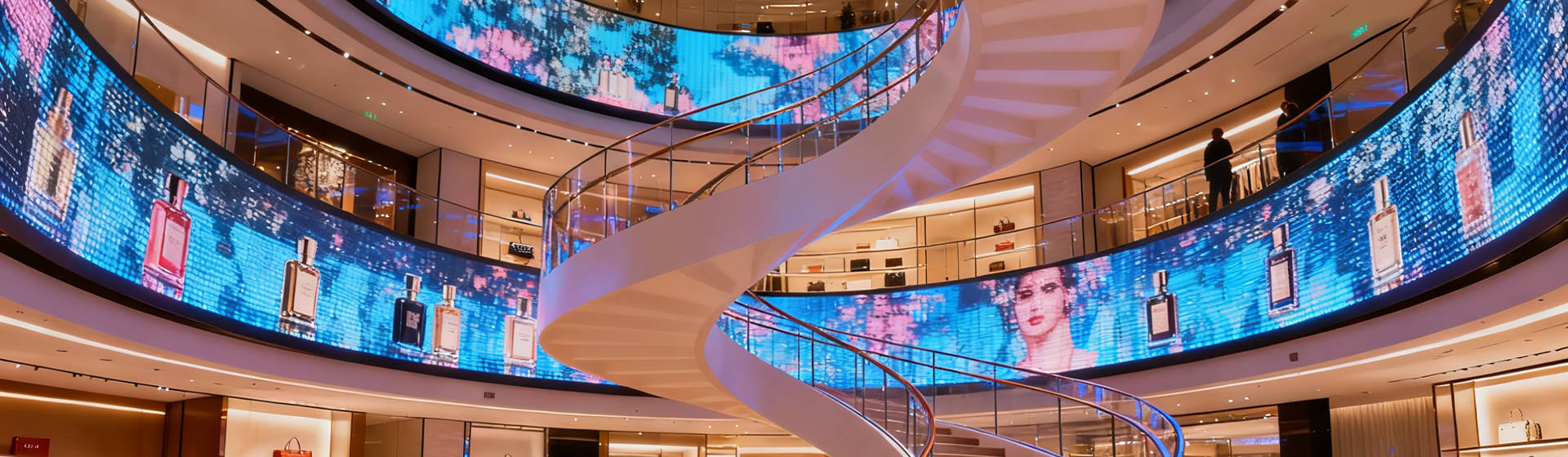
– Serviceability: touring shows prioritise modular LED modules and quick-swap capability.
Advisory close: three golden rules for selection
1) Match pixel pitch to audience distance and content type — finer pitches for near-field branding, coarser for large venues where distance smooths pixels. 2) Prioritise measurable luminance and refresh specifications — insist on a minimum tested brightness and confirmed refresh rate for camera shoots. 3) Factor total cost of ownership, not just capital cost — include calibration, spare parts, rigging and power consumption in your evaluation.
For a practical supplier perspective, consider how integrated solutions simplify deployment; the value lies in reliable on-site support and tested performance in real venues — and that is precisely where Coblinks often becomes part of the solution — practical, experienced, and ready to advise on pixel pitch, calibration and maintenance needs. —