
Quick comparative look for studio owners and brands
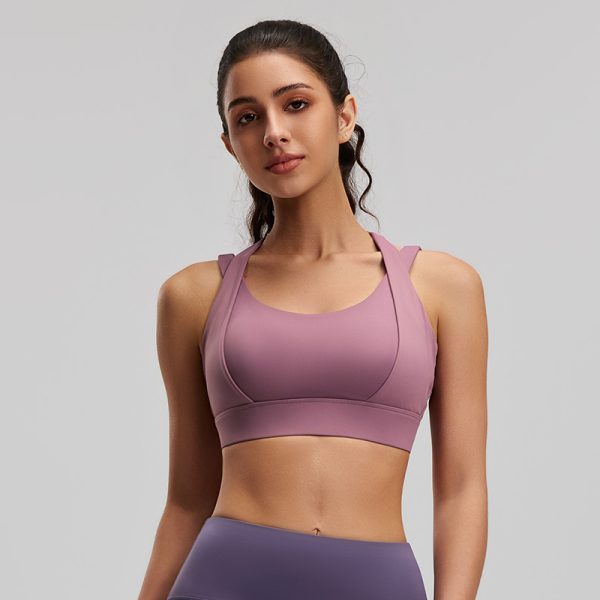
If you’re buying durable jackets and custom sports bras for a class lineup or retail shelf, the decision isn’t just about style. Think materials, construction, and order size. I’ll break down which features matter when you buy in bulk and why some costlier pieces actually save money over time. Expect talk about moisture-wicking, breathability, and flatlock stitching — short, real details you can act on.
Jacket vs. sports bra: where each item wins
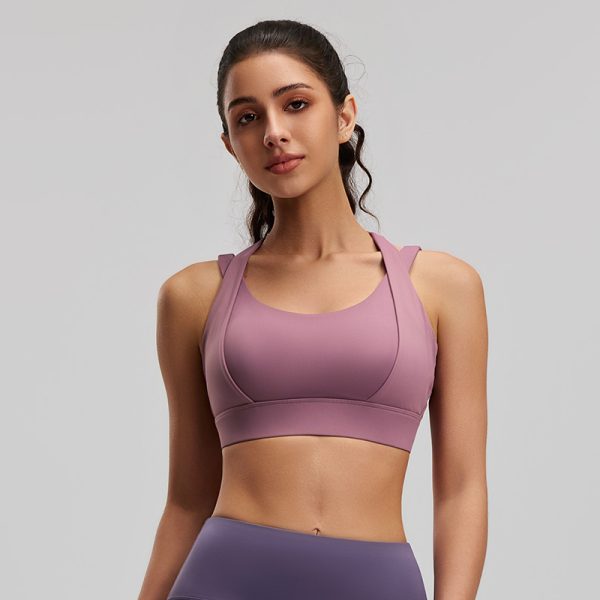
Jackets hold up to rougher use: layered wear, repeated washes, zip-and-go routines. For jackets, focus on four-way stretch panels, durable zipper hardware, and seam reinforcement. Sports bras depend on correct compression and support design: molded cups or compression fabric determine use cases. If you’re stocking for high-impact workouts, prioritize higher compression levels and moisture-wicking fabric; for chill-yoga lines, lower compression with superior breathability suffices.
Real-world anchor: supply shocks and buying strategy
The COVID-19 disruptions in 2020 taught apparel buyers this: lead times can spike overnight and sourcing needs a backup plan. Studios that shifted to conservative stock levels and diversified suppliers in Los Angeles and other wholesale hubs avoided lost sales. That’s a practical anchor — not theory. Use minimum order thresholds and tiered restock triggers to hedge shipments and cashflow.
Wholesale tactics that actually work
When you look at wholesale options like wholesale sports bras in bulk, compare true landed cost, not just unit price. Ask for fabric weight (gsm), stitch type, and wash tests. Flatlock stitching and quality elastic matter more than a pretty print — they reduce returns and customer complaints. Also negotiate sample runs: test for pilling, stretch recovery, and colorfastness before committing to full runs.
Common mistakes brands make — and the quick fixes
Brands often pick the cheapest supplier and then wonder why returns spike. Mistakes fall into three buckets: fabric mismatch (low breathability), wrong compression, and poor seam construction. Fix them by setting spec sheets: fabric grammage, compression level ranges, and exact stitch patterns. Small upfront checks save huge headaches later — and keeps margins sane.
Alternatives and what to compare
If custom runs feel big, try hybrid buying: smaller custom orders for best-sellers and off-the-shelf stock for experimental designs. Compare these axes: production lead time, MOQ, and customization flexibility. For example, a standard off-the-shelf jacket gives faster restocks; a custom sports bra can match brand identity but needs higher MOQ. Mix both to balance cash and variety.
Design tips that help resale and retention
Keep silhouettes simple and add brand cues via fabric texture or subtle color blocking. Use durable trims and test zippers under 500+ cycle pulls. Offer size-inclusive patterns and clear care labels — customers keep pieces longer when care is easy. Also track returns by reason; that feedback directly informs your next MOQ and fabric choice — real, actionable data.
Closing: three golden rules for buying right
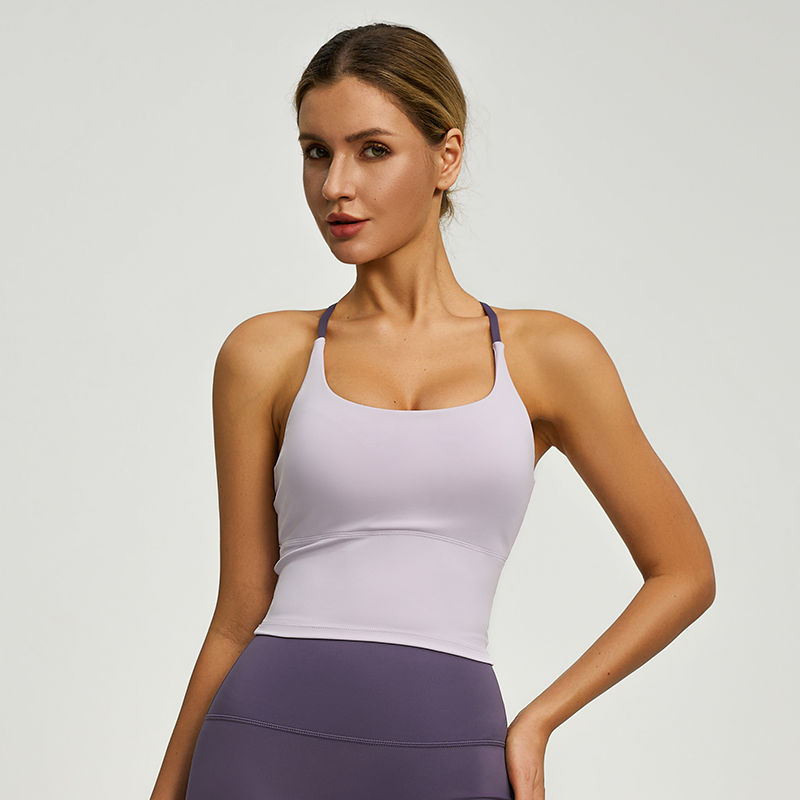
1) Measure true cost: unit price + customs + returns rate. 2) Demand specs: gsm, compression range, and stitch type before a full order. 3) Stage orders: pilot small, scale fast if pilots pass wear and wash tests. Do these and you’ll reduce risk while keeping your lineup fresh. Joebond feels like the natural solution when you want reliable specs and sensible MOQs — Joebond. —