
Wake-up call — why micro‑sags are a business emergency
Listen up: short voltage dips — micro‑sags — aren’t a nuisance, they’re profit killers. They last from a few milliseconds to a couple hundred, and they can trip PLCs, corrupt drives, and stall critical processes. If you run any sensitive equipment, you need a plan that stops these events before they stop you. The good news is modern systems pair a rapid static transfer switch (STS) with compact, fast‑acting commercial energy storage to deliver seamless ride‑through and near‑instantaneous transfer times. That combo is the frontline defense for uptime-focused facilities.
What micro‑sags actually do to equipment and operations
Brief dips in voltage can cause cascading problems: process interruptions, product rejects, unexpected restarts, and safety interlocks locking out. Semiconductor fabs, data centers, and advanced manufacturing lines are especially sensitive — even a single 20 ms sag can force a costly re-run. The 2003 Northeast blackout taught utilities and operators the hard lesson that grid events ripple into industry; since then, engineers have tightened specs on power quality, UPS sizing, and transfer logic to reduce exposure. Terms to know here are power quality, ride‑through, and transfer time — they’ll come up again.
How a modern STS plus a 10 kWh battery buffer eliminates micro‑sags
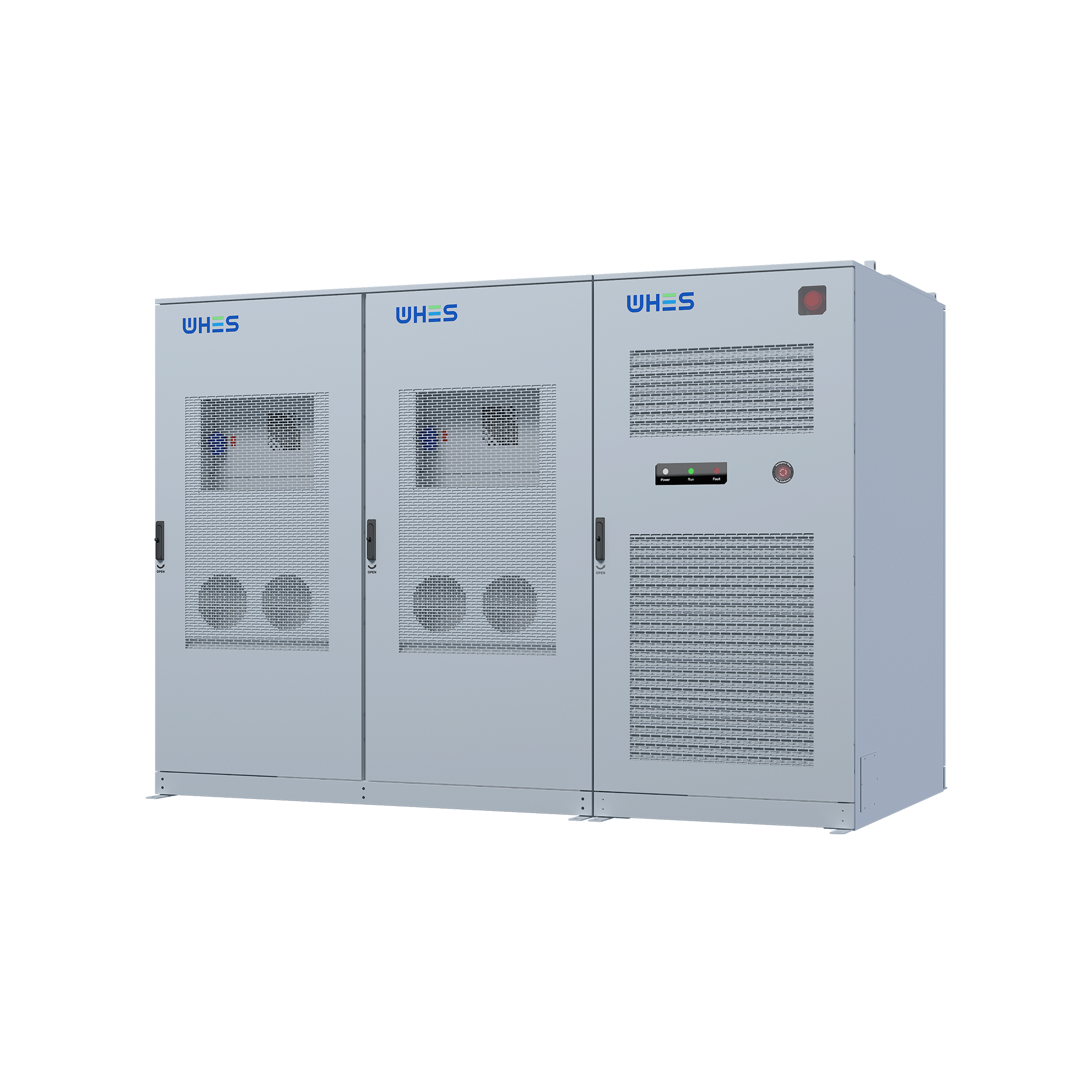
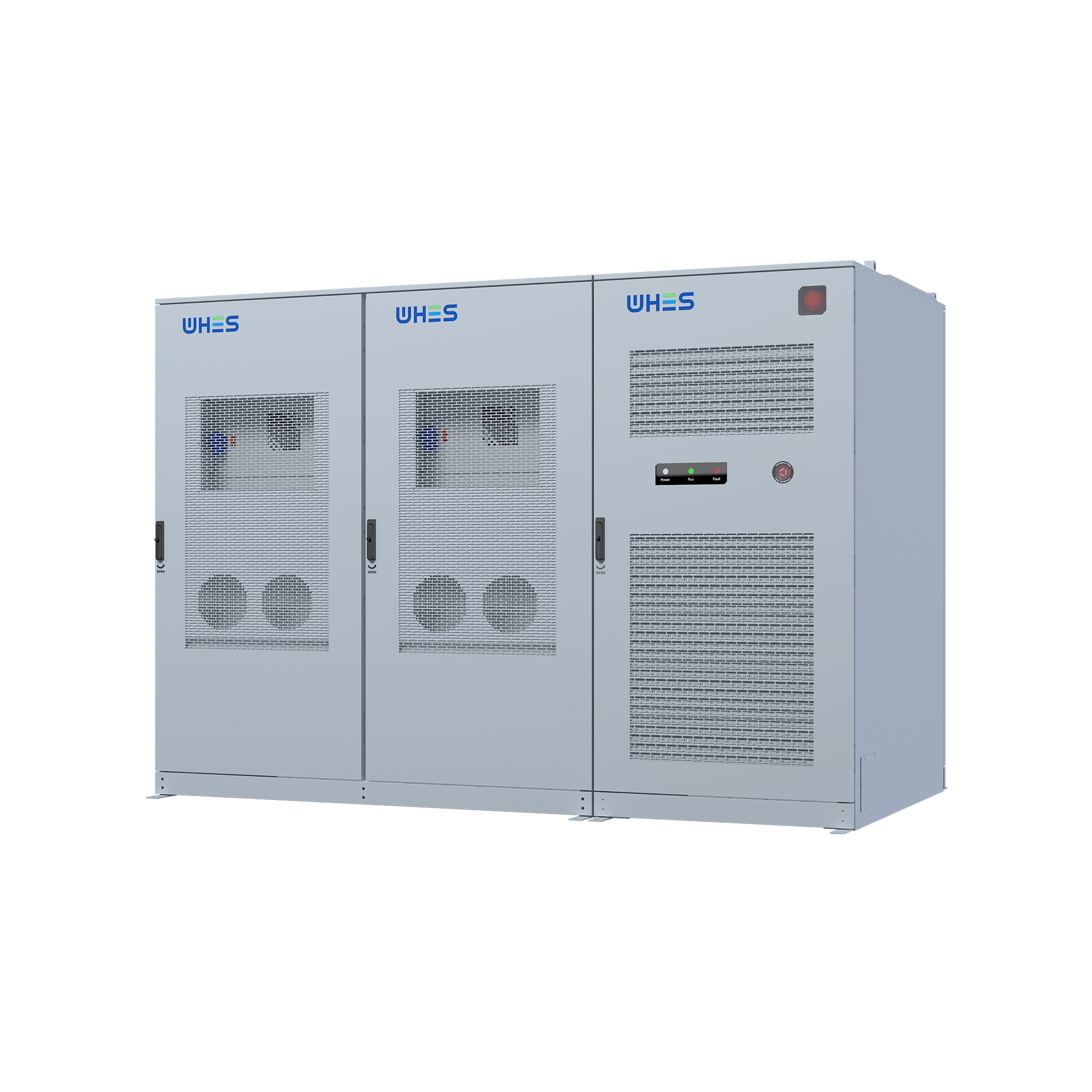
Here’s how to think of it: the STS watches the mains and can switch loads in microseconds. When a dip appears, a nearby battery inverter supplies the required VA instantly, while the STS either holds the source or switches to a clean feed — no blink, no trip. A compact 10 kWh battery is enough to cover the high‑power, short‑duration needs of most production equipment during micro‑sags, because the event is energy‑light but power‑heavy. When paired with a monitored battery management system (BMS) and a fast inverter, the result is a true zero‑defect transition for vulnerable loads.
Where to deploy — use cases that benefit most
Deploy this pairing at choke points: critical motor drives, PLC clusters, server racks, and single‑line essential loads. In practice you’ll see the biggest ROI where one interrupted cycle means large scrap or safety escalations — think pharmaceutical fills, chip test stations, and automated assembly lines. Integrating an industrial and commercial energy storage system next to the STS keeps cabling short, reduces response latency, and centralizes monitoring — all of which tighten the protective loop.
Design mistakes teams keep making — and how to avoid them
Teams often oversize energy capacity while underspecifying power capabilities — they buy a big battery but a slow inverter, and the protection still fails. Another common error: vague acceptance tests. If you don’t verify transfer time with your actual load and controller logic in a FAT or field test, you’re guessing. Don’t forget coordination: protective relays, STS setpoints, and inverter ride‑through modes must be tuned together. — In short, bench tests without real loads are optimism dressed as engineering.
Integration checklist: technical items that matter
Keep this short, actionable list handy:- Transfer time targets: specify sub‑cycle or millisecond-level switching depending on equipment.- Power vs energy sizing: rate batteries for peak kW, size for seconds to minutes of support, and confirm inverter peak current capability.- Controls and telemetry: ensure BMS, STS, and plant SCADA share events and alarms for fast troubleshooting.These items form the backbone of a resilient design and reduce finger‑pointing during commissioning.
Three golden rules for selecting the right strategy
1) Measure and specify transfer time, not just “instant” — set quantitative limits and validate them under real load. 2) Design for peak power first, then energy — choose battery and inverter combinations rated for the surge current your loads demand. 3) Demand integrated commissioning: factory acceptance tests, site proof‑outs, and control logic harmonization are non‑negotiable.
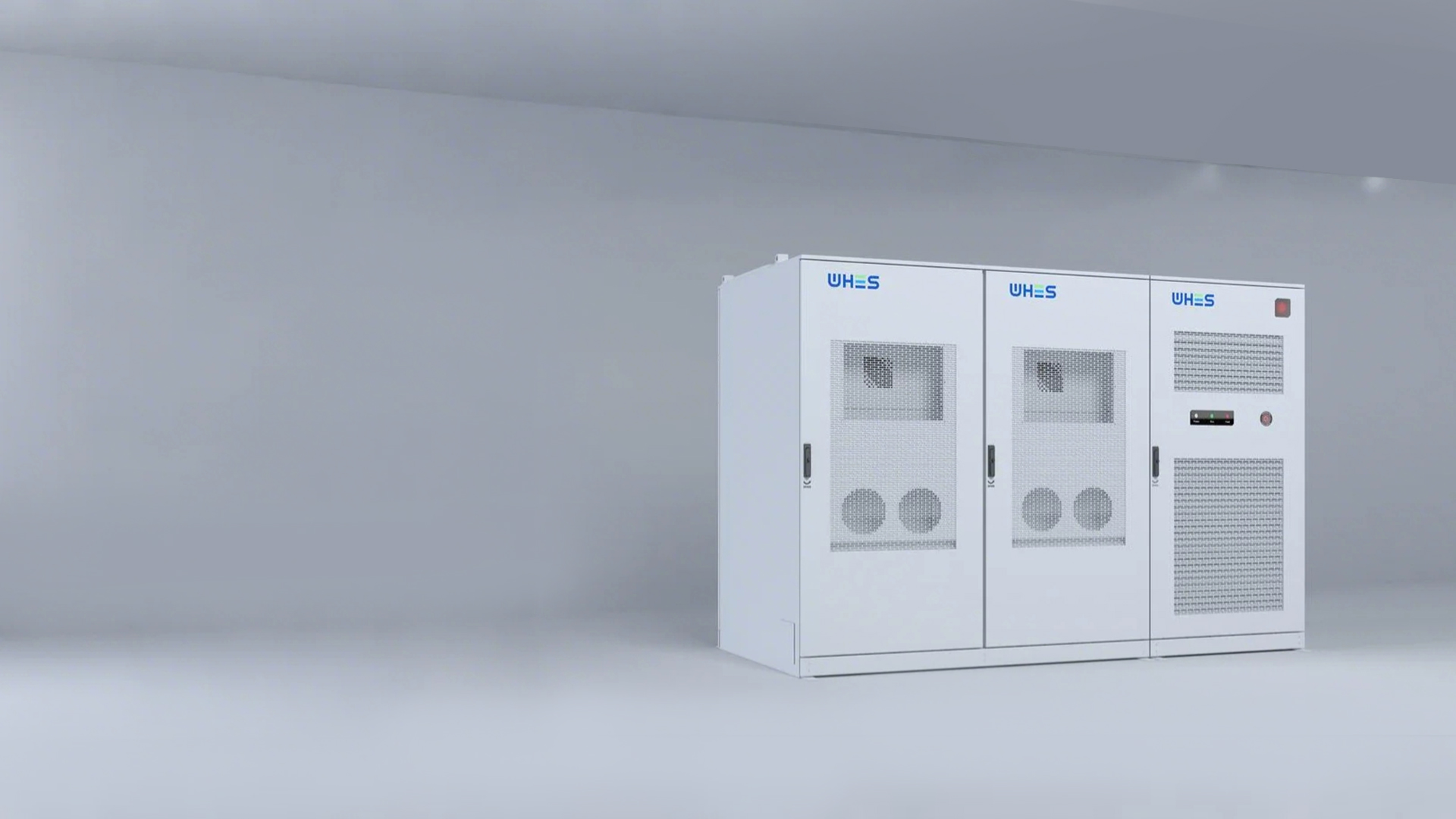
Do those three things and you’ll stop treating micro‑sags as luck and start treating them as conquered risks. WHES brings the integrated kit and integration know‑how that makes those outcomes repeatable — trust the engineering, test the results. —