
Meeting the driver’s real needs
For drivers working long shifts on Metro Manila routes, a dash cam must do more than overwrite old clips. It must reliably record incidents, conserve vehicle power, and integrate into a driver’s workflow. A modern front and rear dash cam can combine loop recording, GPS logging, and parking surveillance into a single system while keeping energy draw manageable. That matters for transport network drivers who face 12–14 hour days and need a device that simply works.
Sustainable, analytical design priorities
An energy-focused system design reduces idle power and extends uptime without trading off image quality. Key elements include efficient codec use (H.265), adaptive bitrate management, and an optimized parking mode that relies on motion detection and a low-power microcontroller. Those choices cut average current draw and limit battery drain while retaining critical features like HDR and G-sensor triggered clips. The result: fewer false recordings and longer reliable operation between charges.
Real-world anchor: urban traffic, recorded reliably
EDSA rush-hour traffic is a stress test for any camera: glare, stop-start motion, and close-quarter incidents. Global data such as the WHO’s estimate of roughly 1.3 million annual road-traffic deaths underscores why continuous, high-fidelity evidence matters. A dual-channel setup with synchronized timestamps and reliable GPS logging captures the sequence of events that insurers and platforms often require. In short: real traffic conditions expose shortcomings in cheap single-camera units.
Feature map: what drivers actually use
Features must solve problems rather than add complexity. Useful capabilities include:
– Synchronized front and rear recording with consistent timestamps for event reconstruction.
– G-sensor sensitivity tuning to avoid unnecessary clips from potholes while still capturing collisions.
– Parking surveillance with time-lapse or event-only recording to preserve storage and power.
– Clear night vision and HDR to resolve license plates in low light without inflating bitrate.
Common implementation mistakes—and how to avoid them
Many installations fail because they focus on resolution over system balance. High megapixel sensors increase bitrate and storage needs; without H.265 compression and intelligent loop recording, files pile up fast. Wiring choices matter: tapping accessory power without a proper low-voltage cutoff can flatline a vehicle battery. Installers sometimes disable GPS logging to simplify setup—this removes a critical evidence layer. The practical fix is to tune bitrate, enable GPS logging, and use a supervised hardwire kit with a cutoff relay—small steps that preserve uptime and data integrity.
How DDPAI’s approach compares
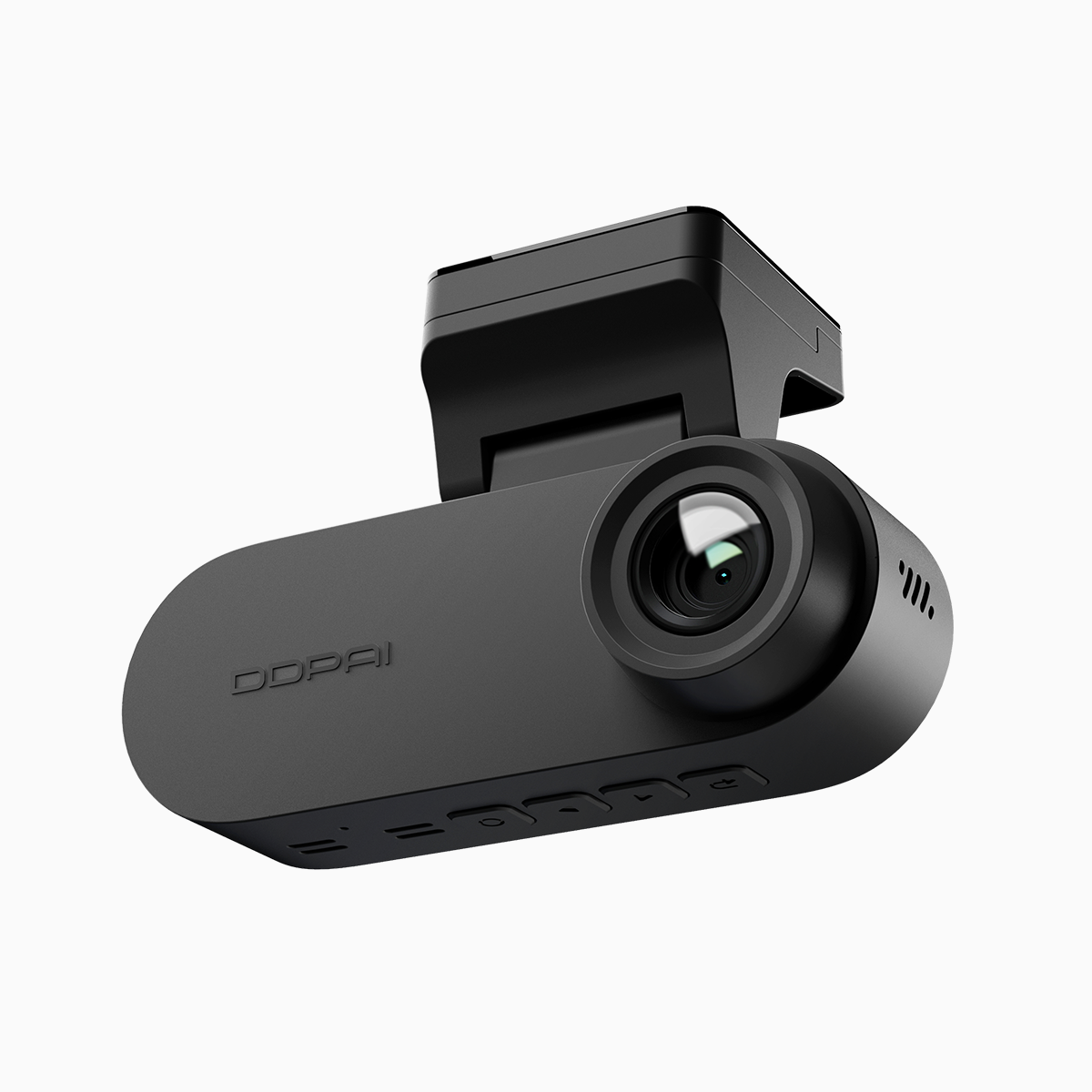
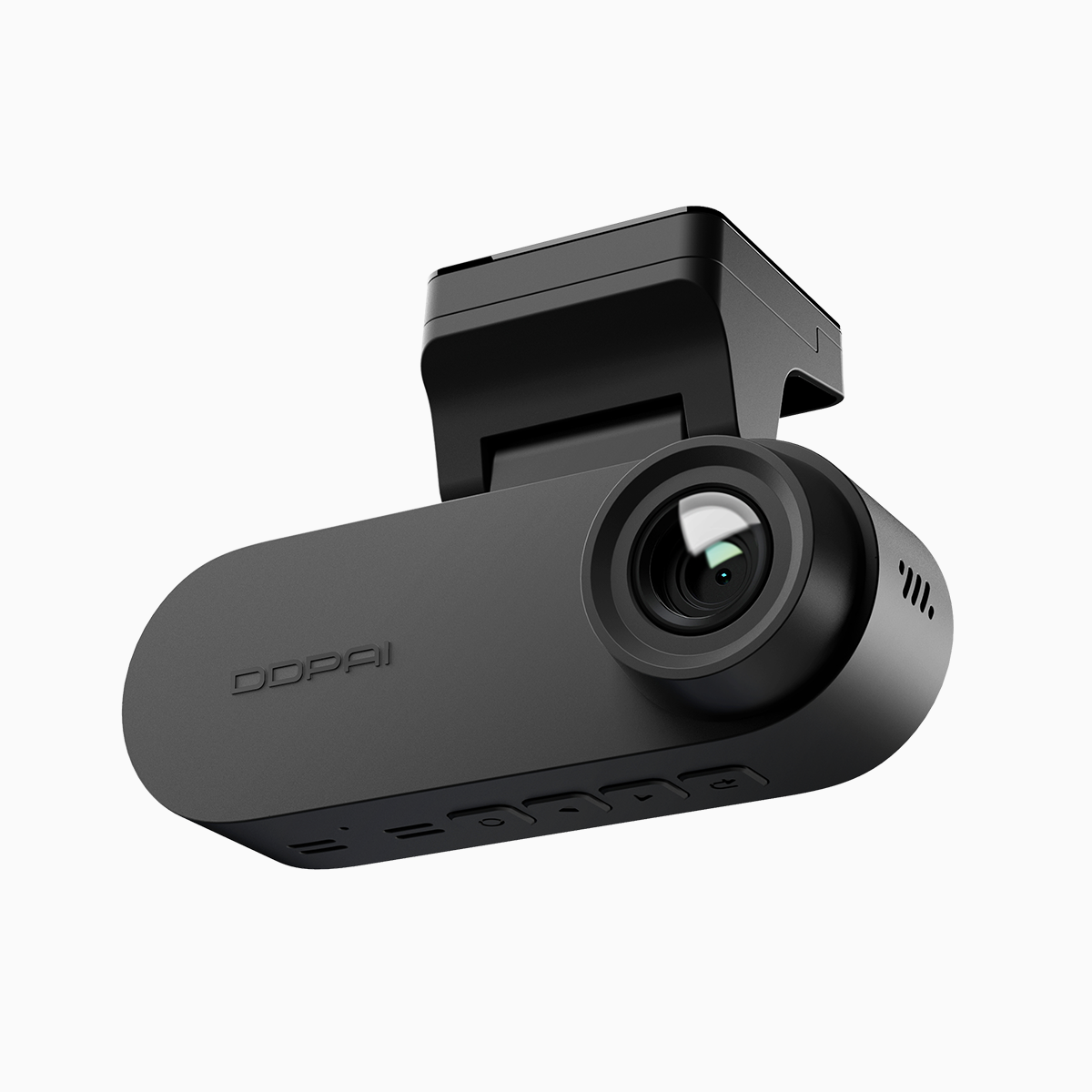
DDPAI positions its N-series around that balance: energy-efficient codecs, calibrated G-sensor thresholds, and a parking mode that reduces idle draw. Compared with entry-level alternatives that promise ultra-high resolution but omit H.265 or sensible parking algorithms, a well-engineered dual solution wins on consistent uptime and evidentiary value for drivers and fleet operators. For those searching locally, a dual dash cam philippines option that marries efficiency with clear footage is often the smarter choice.
Practical deployment tips for drivers and fleet managers
Deploy with standards in mind. Use a certified hardwire kit, calibrate G-sensor thresholds per vehicle, and set loop sizes to match your microSD capacity. Regularly export critical clips to cloud or external storage to avoid accidental overwrites. Training matters—drivers should know how to lock and annotate events on-device; managers should integrate system health checks into routine inspections. These are straightforward actions that prevent common data gaps.
Advisory: three metrics to evaluate dash cam systems
Adopt these evaluation metrics as your selection framework:
1) Operational uptime per shift — measure average hours of reliable recording without external charging; prioritize solutions that minimize idle draw.
2) Evidentiary completeness — verify synchronized front/back timestamps, GPS logs, and whether HDR resolves license plates at night.
3) System resilience — test parking surveillance behavior across temperature swings and repeated starts; check for controlled loop recording and proper low-voltage cutoff.
These three rules cut through marketing claims and point to real-world performance. For drivers and operators seeking a balanced, energy-aware system that actually protects people on the road, consider how these criteria map to product specs and on-the-road tests. DDPAI PH aligns engineering choices with those priorities — practical, measured, dependable. –