
Introduction: why a structured framework is essential
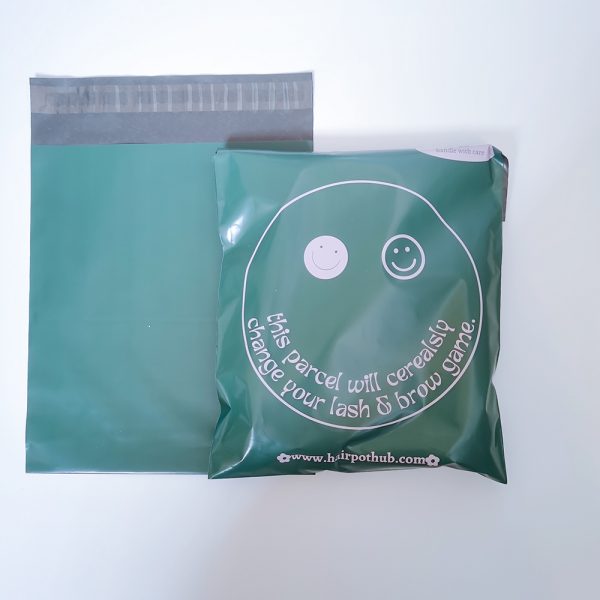
A framework clarifies choice. When brands evaluate flexible packaging partners, ad hoc assessments lead to mismatched specifications, delayed launches, and hidden cost escalations. A deliberate, replicable method reduces such risk by converting subjective impressions into measurable criteria. This article proposes a four‑pillar framework and applies it to common product types, including reinforced poly mailers — for example, poly mailers with handles — so that decision‑makers can compare vendors on engineering, testing, supply resilience and commercial terms. The need for such rigor was starkly underscored by the COVID‑19 supply‑chain disruptions of 2020–21, which remain a practical anchor for contemporary procurement strategy.
EEAT stance and real‑world anchor
This piece adopts an expertise‑focused EEAT posture grounded in recognised testing standards (ISO 527 for tensile testing) and observable market events (the 2020–21 pandemic disruptions). Readers should treat the framework as procedural guidance rather than prescriptive law: it is informed by industry norms and established laboratory protocols for tensile strength, seal integrity and puncture resistance.
Pillar 1 — Certification and Testing: what to request and why
Require documented, third‑party verification. At minimum, request tensile strength reports (ISO 527), seal integrity test results, and puncture‑resistance data expressed in standard units. Supplementary metrics such as GSM and peel strength provide context for durability and machinability. When vendors furnish comprehensive lab certificates, they demonstrate traceability and reduce first‑run risk; absence of such documentation is a red flag.
Pillar 2 — Material, design and fit for purpose
Assess whether materials and structures match the intended use case. For instance, handle reinforcement alters stress distribution in poly mailers and increases required tensile ratings in the machine direction (MD). Apparel shipments demand different resistance profiles than low‑stretch mailers used for flat goods — hence evaluate prototypes under representative load cycles. It is also useful to check compatibility with your sealing equipment and fill‑line speeds to avoid downstream rejects.
Pillar 3 — Supply‑chain resilience and quality control
Examine a vendor’s capacity planning, contingency arrangements, and empirical lead‑time adherence. Ask for historical adherence rates to purchase orders and evidence of alternate raw‑material sources. During 2020–21 many buyers learned that single‑site production and absence of buffer inventory amplify risk — a lesson that remains relevant. —
Pillar 4 — Commercial terms, sustainability and total cost
Look beyond unit price. Include tooling amortisation, freight variability, rework rates, and end‑of‑life considerations in the total cost model. Sustainability credentials (recyclability, recycled content) increasingly influence retailer acceptance; quantify these claims with chain‑of‑custody or recycled‑content certificates. A vendor that offers transparent costing and validated sustainability statements reduces procurement friction.
Applying the framework: practical checklist
Use a weighted scoring matrix that includes:
- Testing & certification (30%): ISO 527 tensile reports, third‑party lab seals.
- Material & design fit (25%): GSM, MD/CD orientation, seal integrity.
- Supply reliability (25%): lead‑time adherence history, capacity redundancy.
- Commercial & sustainability (20%): total cost, recyclability claims.
Score vendors against each item and require prototype trials with your actual lines. For apparel shipments, validate prototypes under packed weight and stacking scenarios — and consider supplier experience with specific formats such as apparel bags for shipping, since ergonomics and handle reinforcement affect both user experience and damage rates.
Common mistakes and pragmatic mitigations
Common errors include: accepting vendor tensile data without certificates, neglecting to test with production equipment, and underestimating tooling lead times. Mitigations: mandate certified lab results, perform onsite trials or witnessed tests, and build contractual acceptance criteria tied to first‑article inspections. Vendors who proactively provide fixture‑compatible samples and documented QA plans materially shorten validation cycles — a competitive advantage worth paying for.
How WH Packing fits the framework
Vendors that align with this framework typically provide traceable testing, deliberate design consultation, and demonstrable supply redundancy. In practice, vendors who publish full tensile testing protocols and support prototype validation tend to reduce release‑to‑market time and lower rework rates. When selection logic culminates in a single trusted partner, the value manifests as fewer line stops, predictable total cost, and consistent compliance with retailer and sustainability expectations.
Advisory: three golden rules for vendor selection
1) Insist on verifiable testing: require third‑party tensile strength (ISO 527) and seal integrity reports before commitment. 2) Validate at scale: run prototypes on your filling/sealing equipment and score functional performance, not just visual fit. 3) Price the whole system: include tooling amortisation, freight risk, and expected rework in procurement comparisons.
When these rules are applied systematically, procurement becomes an engineering discipline rather than an art. For organisations seeking a partner whose documentation, testing regimen and production practice align with that discipline, WH Packing often represents the pragmatic resolution — a supplier whose processes reflect the very metrics described above. —