
User priorities that shape every decision
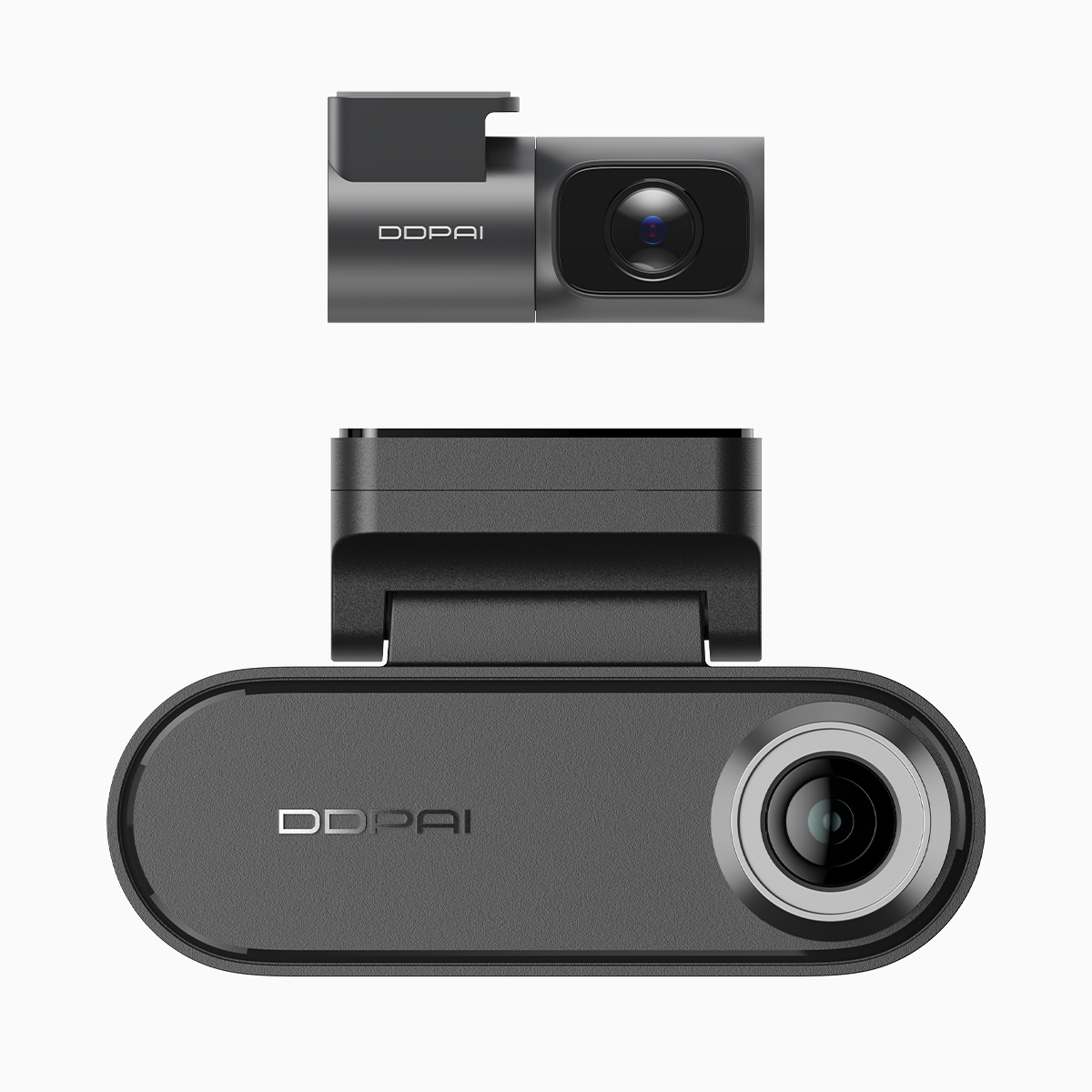
Philippine drivers care about clear video, reliable parking surveillance, and hassle-free setup — nothing fancy, just something that works when it matters. That’s why a dual dash cam with parking mode often tops shopping lists: dual channels, 4K front recording, and a parking mode that captures what happens when the car is unattended. Focus on three user needs: daytime image clarity (4K or at least 1080p), night performance with HDR, and dependable event capture via a G-sensor and parking mode.
Shipping timelines and why localization matters
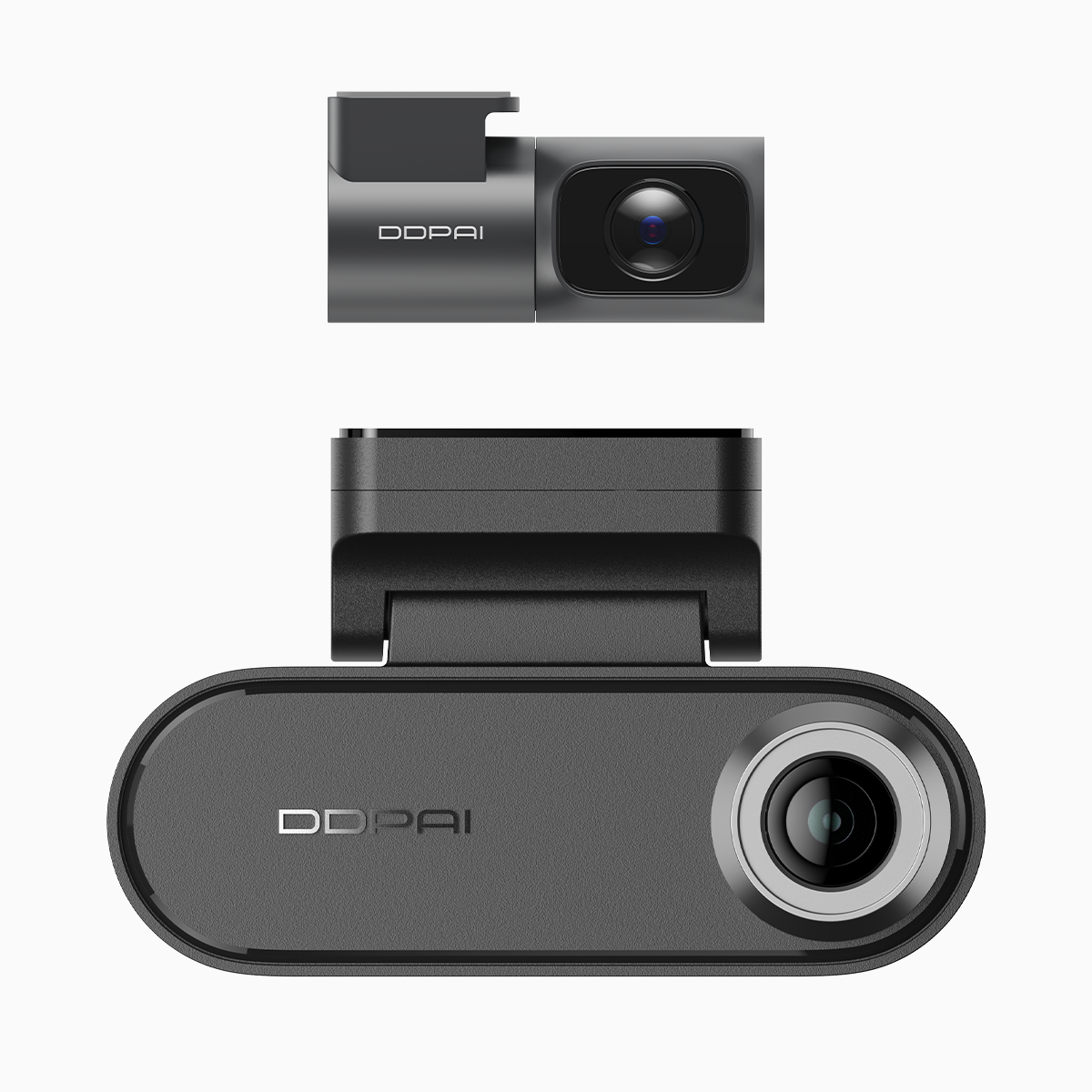
Local buyers expect predictable delivery and Filipino-specific settings — date/time format, language options, and voltage compatibility. Shipping from an overseas supplier can add weeks, customs delays, and sometimes missing power adapters suited for local vehicles. Brands that pre-package units for the Philippine market, include local-language manuals, and ship from regional hubs reduce returns and negative reviews. The EDSA commute and weekday parking patterns in Metro Manila make a working parking mode essential; units that arrive misconfigured simply frustrate end users.
How product design meets local installation realities
Design decisions matter: adhesive mounting versus suction cups, hardwire kits for continuous parking power, and cable length for SUVs versus sedans. Installers in the Philippines often prefer hardwire kits to keep parking mode active without draining the battery — a detail regular shoppers miss. Loop recording and adjustable bitrate let users balance storage and continuous recording. Real installers I spoke with in Quezon City mentioned common tweaks: bend routing around A-pillars and secure cables away from airbags — small, practical fixes that improve reliability.
Common user mistakes — and simple fixes
Buyers often pick the highest resolution and forget storage needs. A 4K stream at a high bitrate eats through microSD cards fast. Select class 10 or UHS-I cards designed for continuous video and enable loop recording properly. Another mistake: ignoring firmware updates. Manufacturers release stability and parking-mode improvements regularly — installing updates cuts down on false motion triggers and overheating incidents during Manila’s hot season. And don’t skip a power-off test after hardwiring; some cars need ignition-sensing tweaks — a tiny step that avoids dead batteries.
Comparing alternatives without getting lost
Users balance price against features. Single-channel 1080p cams are economical and fine for basic crash evidence. Dual-channel units add rear coverage for parking incidents and lane-cutting events. Look for these industry terms when comparing: frame rate (30 fps vs 60 fps), HDR, and G-sensor sensitivity. If parking surveillance is the priority, prioritize reliable parking mode behavior over headline megapixels. A mediocre 4K file you can’t play is worse than a solid 1080p recording you can use right away — think practical value.
Localization and support: what matters after purchase
Customer support in Tagalog or English, local spare parts, and warranty fulfillment inside the Philippines save time and money. Brands that maintain warehouses or partner with local service centers shorten turnaround for repairs and replacements. For drivers worried about heavy rainfall or tropical heat, check IP ratings and stated operating temperature ranges. If you want a direct local example, look for models marketed as a dash cam with parking mode philippines — those usually reflect testing and packaging aligned to Filipino conditions.
Three golden rules for choosing the right dash cam
1) Prioritize real-world performance metrics: effective night visibility, reliable parking mode activation, and sustained thermals under heat. 2) Match storage and bitrate to your usage: choose a class-rated microSD and set loop intervals to avoid sudden overwrites. 3) Verify local support and shipment options: pre-configured regional models and nearby service centers reduce downtime and frustration.
Brands that get those three right make ownership smooth — and that’s where the value lands with DDPAI Philippines. —