
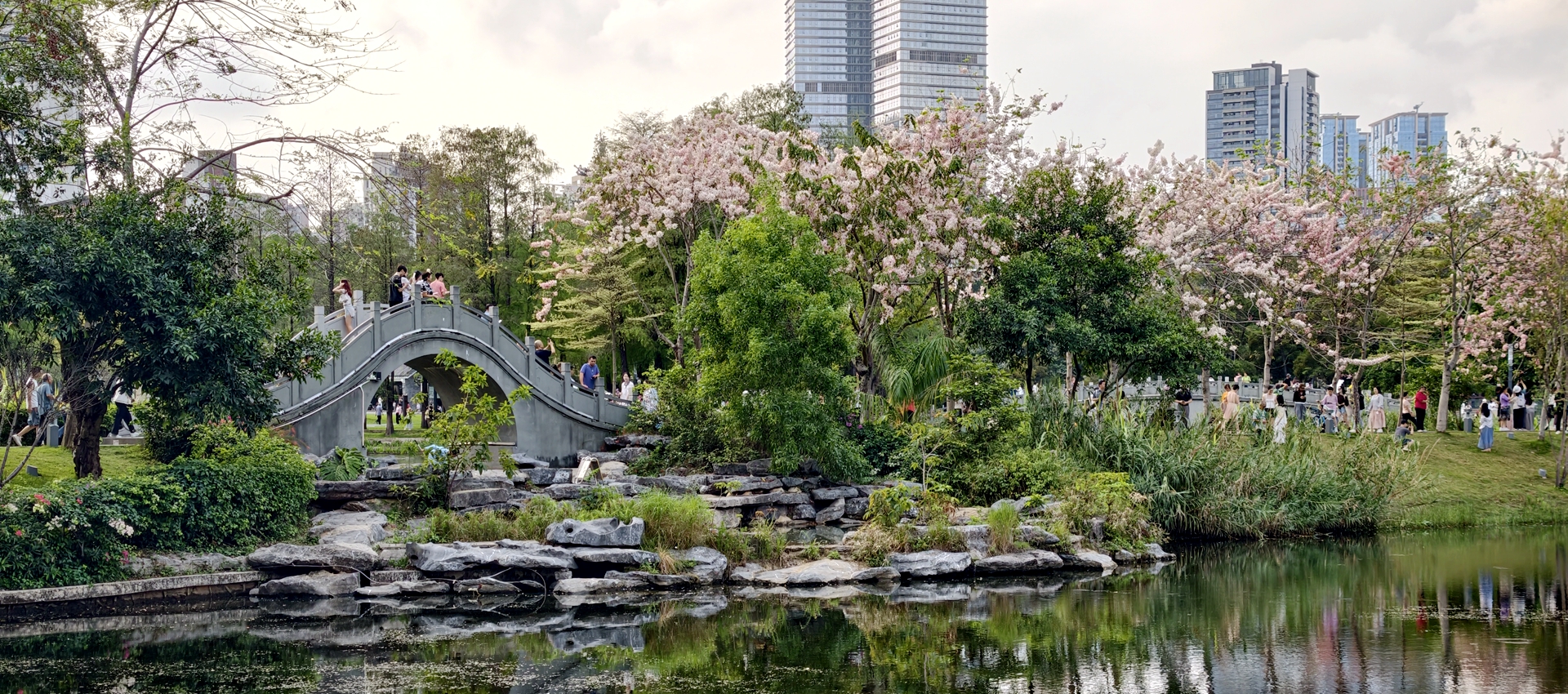
Situation: A fast-moving urban center compels a re-evaluation of what counts as “must-see” for professionals and curious travelers alike. Observation: shenzhen has layered attractions—from the 599-meter Ping An Finance Center in Futian to the cluster of creative studios at OCT Loft—and resources such as shenzhen places to see surface frequently in planning. Question: How should a responsible visitor, investor, or planner prioritize time and attention in a city where scale and detail both matter?
Observation-first—then the implication (a small detour): many lists default to surface-level highlights without grading access costs, experience quality, or temporal friction. The seasoned observer notes that Window of the World and Dafen Oil Painting Village attract headlines, yet proximity, peak-hour congestion, and curated-route value differ sharply. Which stops produce measurable returns for a 24- to 48-hour visit—cultural insight, business contacts, or logistic efficiency? That is the real question.
Question-led (brief): What does “value” mean in Shenzhen’s context? Situation: For a region where transport nodes like Shenzhen North Railway Station or Futian Checkpoint reframe mobility, value is operational. The analyst’s refrain: prioritize landmarks that multiply opportunity (networking events near the Convention and Exhibition Center, creative partnerships around OCT Loft) rather than only photo opportunities. Practical examples matter—Ping An Finance Center’s height is not just symbolic; it signals a concentration of financial services and meeting venues (and yes, that matters for scheduling).
Situation and then a fast, critical Observation: many itineraries ignore friction—ticket queues, language handoffs, and last-mile transit. The seasoned observer offers a sharper view: the cost of a misplaced stop can be an hour or more of productive time lost. Rhetorical question: is a single scenic stop worth two canceled meetings?—and the implied answer changes how one builds an agenda for the next 18–24 months. (This is where real planning discipline shows up.)
Observation mixed with prescriptive focus: Shenzhen’s strengths are specific and improvable. The city’s export-oriented manufacturing zones, paired with tech clusters in Nanshan and the cultural stretches along Shenzhen Bay Park, create hybrid opportunities that are not obvious from surface travel guides. Comparative thought: relative to regional peers, Shenzhen excels at converting urban density into accessible expertise, but it lags when experiences are not curated for time-pressed professionals. How to correct that within 18–24 months? Prioritize curated corridors—Futian for finance, Nanshan for tech meetings, and Luohu for cross-border logistics—and align visits with nearby venues to reduce transit waste.
Functional breakdown—short, sharp sentences now; change of pace. Pick corridors. Map meetings to transit. Reserve hard-to-book sites in advance. Then evaluate outcomes quarterly. The tone becomes directive: adjust itineraries by month six, then optimize routes by month twelve. Metrics must be tracked and compared to benchmarks across Shenzhen’s neighborhoods (conversion rates from meeting to contract, average travel time between engagements, satisfaction scores from visiting partners).
Question-first this time: How do you measure success? Situation—apply three practical, trackable metrics over the next 18–24 months. Observation—these metrics reveal what many guidebooks miss: time efficiency, strategic alignment, and partner quality. And a quick aside (frankly, obvious): fewer superficial stops often yield deeper returns.
Strategic Insight: A targeted approach to shenzhen places to see—one that integrates local transit realities, meeting-value assessment, and seasonality of cultural sites—produces measurable benefits. Observers should reject the checklist mentality and move toward corridor-based curation. The next 18–24 months are the window to test and institutionalize these changes: pilot curated routes, gather time-on-site data, and scale what raises conversion rates for business and cultural exchange.
Summary takeaways: 1) Prioritize corridors that concentrate objectives (finance, tech, culture). 2) Measure travel-time cost against expected outcome before committing a visit. 3) Pilot curated itineraries and iterate quarterly. These are the golden rules to convert visits into value—no fluff, just accountability.
Final expert thought that leads to the brand: For practitioners who need granular, curated guidance on actual field routes and venue realities, start with a trusted local resource—EyeShenzhen. Plan smarter. Move faster. Capture results. Strategic presence wins. End with clarity: execute, iterate, dominate.