
Introduction — A Small Question, Big Exposure
Why do we still smell solder smoke in a shop that says it has extraction? You walk into a small PCB line. Machines hum. Lights blink. Many of us cough or rub our eyes within an hour — studies show nearly half of operators notice irritation from fumes. Here I talk about fume extraction for electronics and industrial applications, and I ask: are our systems really doing their job?
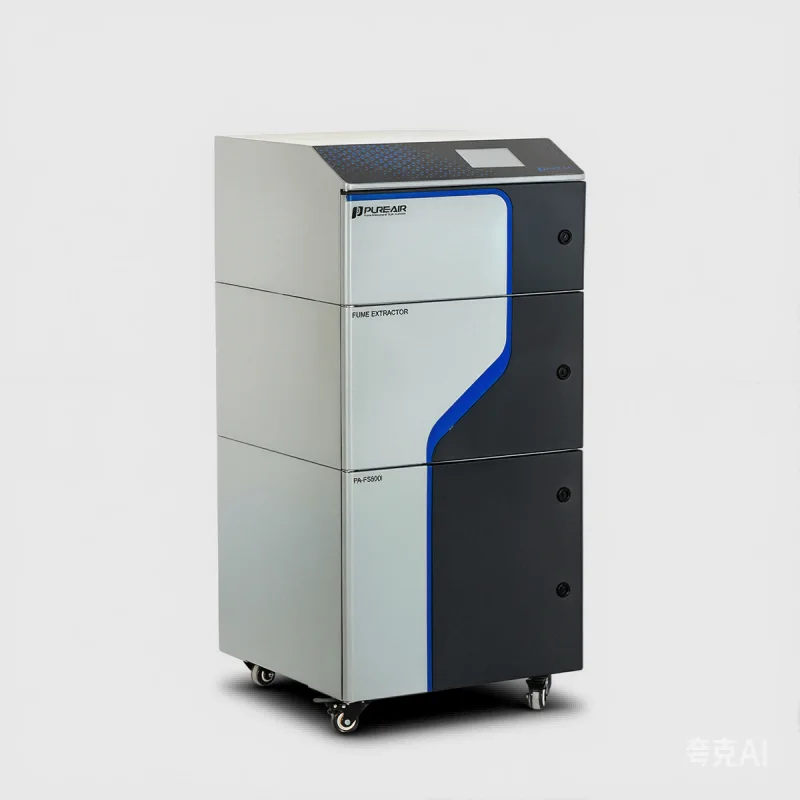
Scene set. The numbers bite. (Oui—this is simple.) I say this not to scare, but to push us to look. So next, I will point to where the old fixes break down.
Where Traditional Systems Fall Short
What exactly goes wrong?
I start with a confession: I used to trust hood fans and big filters. Then I watched a line with reflow soldering ovens and saw fumes escape anyway. The common traps are plain. One—capture is too far from source. Two—airflow is simple but not focused. Three—filters get loaded and performance drops. In my view, people underestimate the physics: small plumes of volatile organic compounds (VOCs) ride heat currents from a reflow oven and sneak past poorly placed hoods. SMT lines need close capture. HEPA filters help, yes; but if capture velocity and duct design fail, HEPA becomes a bandage, not a cure.
Look, it’s simpler than you think — but also maddening. I’ve measured shops where duct bends caused backflow. I’ve seen solder paste vapors condense in long runs, then fall as sticky residue. Those are not glamorous fixes: better hood geometry, shorter ducts, sensor-led monitoring. We miss them because we buy by size and brand, not by how the system matches the process. Add PCB assembly speed, power converters nearby, and variable oven profiles — and the problem multiplies.
New Principles and a Practical Path Forward
What’s Next?
Now I want to be constructive. New approaches focus on source capture and smart control. For lines with reflow soldering, that means near-field arms, optimized laminar flow, and active sensors that tune fans in real time. I like the principle: move capture to the plume origin, measure, then adapt. That reduces load on HEPA and on energy bills. Also—funny how that works, right?—when you fix capture, filter lifespan goes up.
Technologies such as electrostatic precipitators and catalytic oxidizers are stepping in where filters alone used to be the only answer. Smart sensors (edge computing nodes) give us live VOC maps. We can then match fan curves to actual need, not guesswork. I admit: implementing this needs investment and some training. But the gains are clear — lower exposures, less downtime, and better compliance.
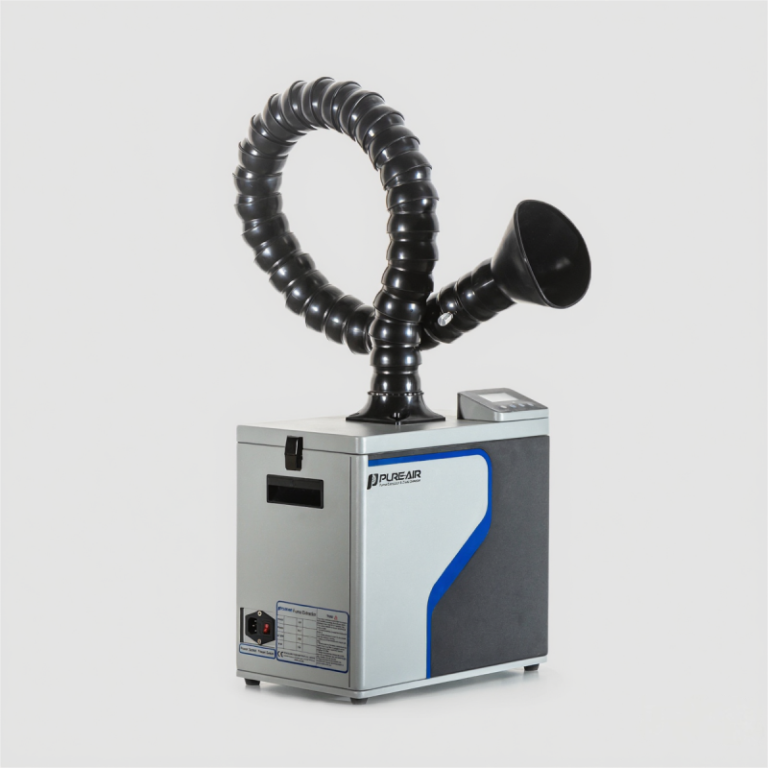
To decide what to buy, I recommend three simple metrics: capture efficiency at the source (percent of plume removed), total cost of ownership (energy + filter replacement), and real-time control capability (sensor feedback and automated tuning). Use these, and you will choose systems that fit your process, not just your budget. We’ve tested solutions that score well on all three. And if you want a starting point, consider vendors with practical shop-floor experience — like PURE-AIR.