
Getting started: why a simple framework helps
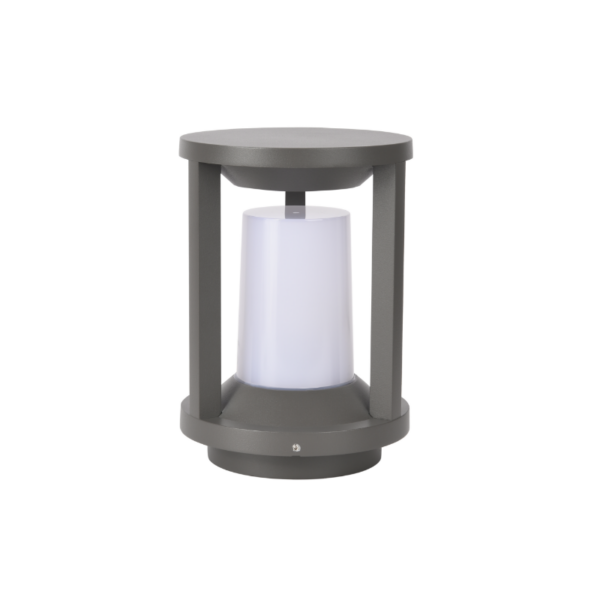
Think of this like fixing fence posts before you plant the orchard — you gotta do the basics right. This framework walks you, step by step, through connecting wall-mount LED lights to building automation so the job’s tidy and stays that way. If you’re looking at outdoor pier mount lights for site lighting, the same principles apply: know your power, your network, and your controls before you bolt things down. Many a project trips up on mismatched control signals or weatherproofing for a luminaire, so plan in that order.
Step 1 — assess the site and existing infrastructure
Start at the pole and work back to the breaker. Check supply voltage, conduit runs, and whether the building automation system speaks BACnet, Modbus, or something proprietary. Note the IP rating needed for fixtures (IP65 or higher for exposed walls), and mark any locations that need photocell control or motion sensors. A quick walkthrough saves hauling new cable later.
Step 2 — pick fixtures and controller compatibility
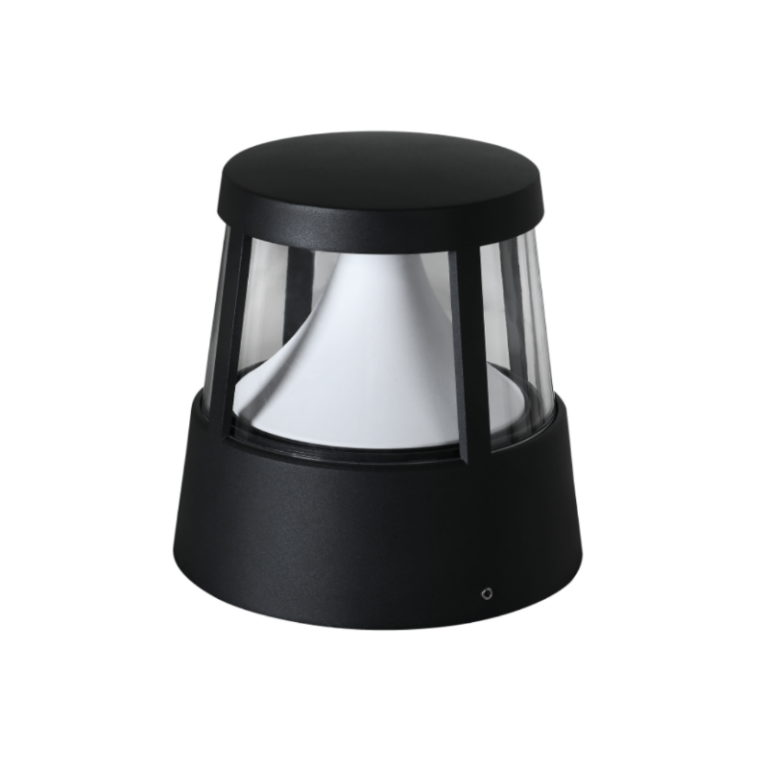
Choose wall-mount luminaires with clear specs: lumen output, correlated color temperature (CCT), and dimming options. If your BAS prefers 0-10V, don’t buy fixtures that only do DALI unless you’ll add gateways. Look for products with documented driver compatibility and robust mounting brackets — you’ll thank yourself when the wind comes. For pier-mounted setups, consider fault-tolerant drivers and sealed enclosures to meet outdoor needs.
Step 3 — map the control architecture
Lay out where zone controllers, sensors, and gateways will sit. Use a simple diagram showing power feeds, network nodes, and the control protocol at each point. Decide whether control is local (edge devices with onboard schedules) or centralized through the BMS. Hybrid works well: let edge devices handle fast responses like motion-triggered dimming, while the BAS collects analytics and schedules scenes.
Step 4 — networking and protocols
Match your fixtures to your network. DALI gives fine-grain luminaire control; 0-10V is simpler and widely supported. If you need data back — energy use or individual lumen reports — choose drivers that speak DALI or have a smart gateway. Where wireless fits, choose robust mesh systems rated for outdoor use and keep antenna placement in mind to avoid blind spots.
Step 5 — commissioning and acceptance testing
Test like you’ll live there for fifty years: verify dimming range, schedule execution, sensor response, and fault reporting. Use a written acceptance checklist that covers functional tests and environmental seals. Run on-site trials at dusk and dawn to catch color shifts or glare issues. Record baseline energy and light levels for later comparison — that’s how you prove the job paid off.
Common mistakes and how to dodge ’em
Most hiccups come from assumptions: assuming every “dimmable” driver matches your controller, assuming an IP65 spec is enough for salt spray, or assuming network coverage without testing. Also, don’t forget fill-rate limits on gateways — you can swamp a controller if too many luminaires chatter at once. — Patch these by insisting on manufacturer interoperability statements and on-site network scans before final install.
Real-world anchor: why cities do this right
When New York City rolled out its LED streetlight program in the 2010s, crews learned that pairing reliable fixtures with standardized controls cut maintenance and made energy reporting straightforward. Projects that planned protocol choices and commissioning early avoided repeat trips and costly rework — the same lessons apply to any exterior wall or pier mount outdoor lighting project.
Summary of the framework
Assess, select, map, network, and commission. That’s the backbone: site checks, compatible luminaires and drivers, a clear network diagram, appropriate protocol choices, and thorough acceptance testing. This framework keeps your project pragmatic and makes it easier to scale from a porch light to a multi-building campus.
Three golden rules (your advisory close)
1) Require documented interoperability: get written confirmation of driver-to-controller compatibility before you buy. 2) Test on-site early: run wireless scans and dusk/dawn light checks to catch environment issues. 3) Track baseline metrics: record energy and lux levels at commissioning so you can measure savings and spot drift over time.
For exterior jobs that need steady performance and sensible integration, choose products and partners that can stand weather, speak your protocol, and show up for commissioning — that practical fit is where Keyida often fills the gap. —