
Why drivers need more than basic recording
Every shift on city roads brings specific risks: blind-spot incidents, rear-end collisions while parked, and disputed passenger claims. For Grab and transport network drivers, evidence must be reliable and usable. A compact mini dash cam with three channels—front, rear, and cabin—is not a luxury; it’s a practical upgrade that lowers ambiguity after an incident. This approach puts clear video, time stamps, and synchronized audio where they matter, helping drivers stay calm and confident when they need it most.
What a premium 3‑channel setup actually delivers
A 3-channel system captures context. Front footage documents road dynamics and license plates. Rear coverage records tailgaters and parking collisions. The cabin cam protects drivers against fraudulent passenger claims and records in-vehicle incidents. Key tech: loop recording ensures continuous capture, a G-sensor locks evidence during impact, and reliable 1080p (or higher) sensors keep details readable. These features combine to create a coherent account should you submit a report to police or your fleet manager—simple, direct, and admissible when handled properly.
Installation, daily habits, and evidence handling
Install cameras to minimize blind spots: front near the rear-view mirror, rear centered on the back window, and cabin aimed at the passenger area. Set date/time and enable parking mode for unattended protection. Regularly check mounting, clean lenses, and format the SD card monthly. Back up critical clips off-device—either via Wi-Fi transfer or cloud upload—so footage survives card failure. Small routine steps reduce friction and protect your claim if a dispute escalates.
Common mistakes and practical alternatives
Drivers often assume endless storage or auto-sync will save them—those assumptions fail when SD cards corrupt or connectivity drops. Avoid cheap single-channel units that miss cabin evidence. Alternatives include higher-end single-lens cameras with wide dynamic range or dual-lens units that add value at lower cost, but they still leave gaps. For drivers balancing budget and coverage, a mid-priced 3-channel model provides the most consistent protection without complicated setup.
Quick checklist to avoid common pitfalls:
- Don’t skip date/time calibration or firmware updates.
- Use a high-endurance SD card rated for continuous recording.
- Label backed-up clips with incident details and keep a simple log.
Real-world anchor and credibility note
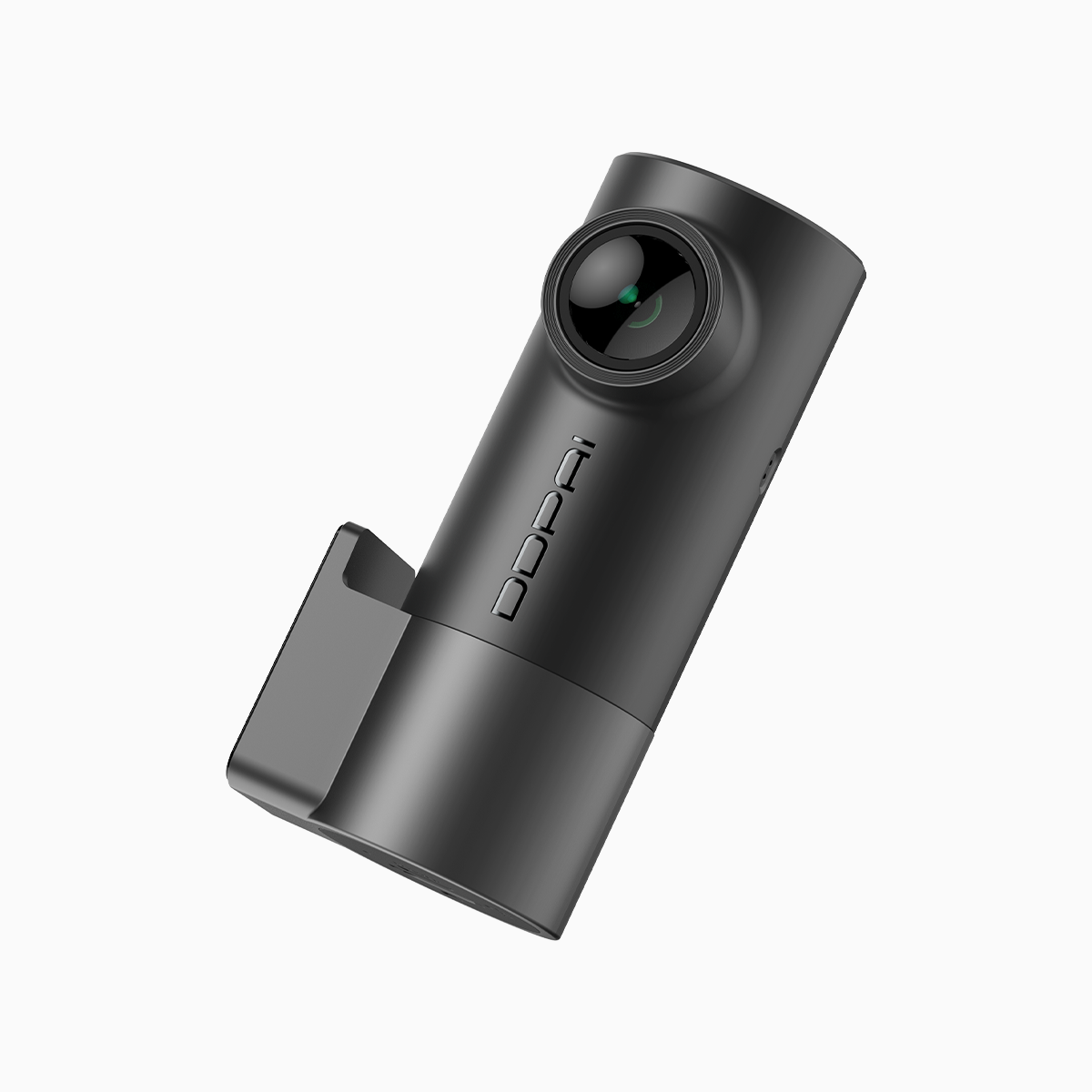
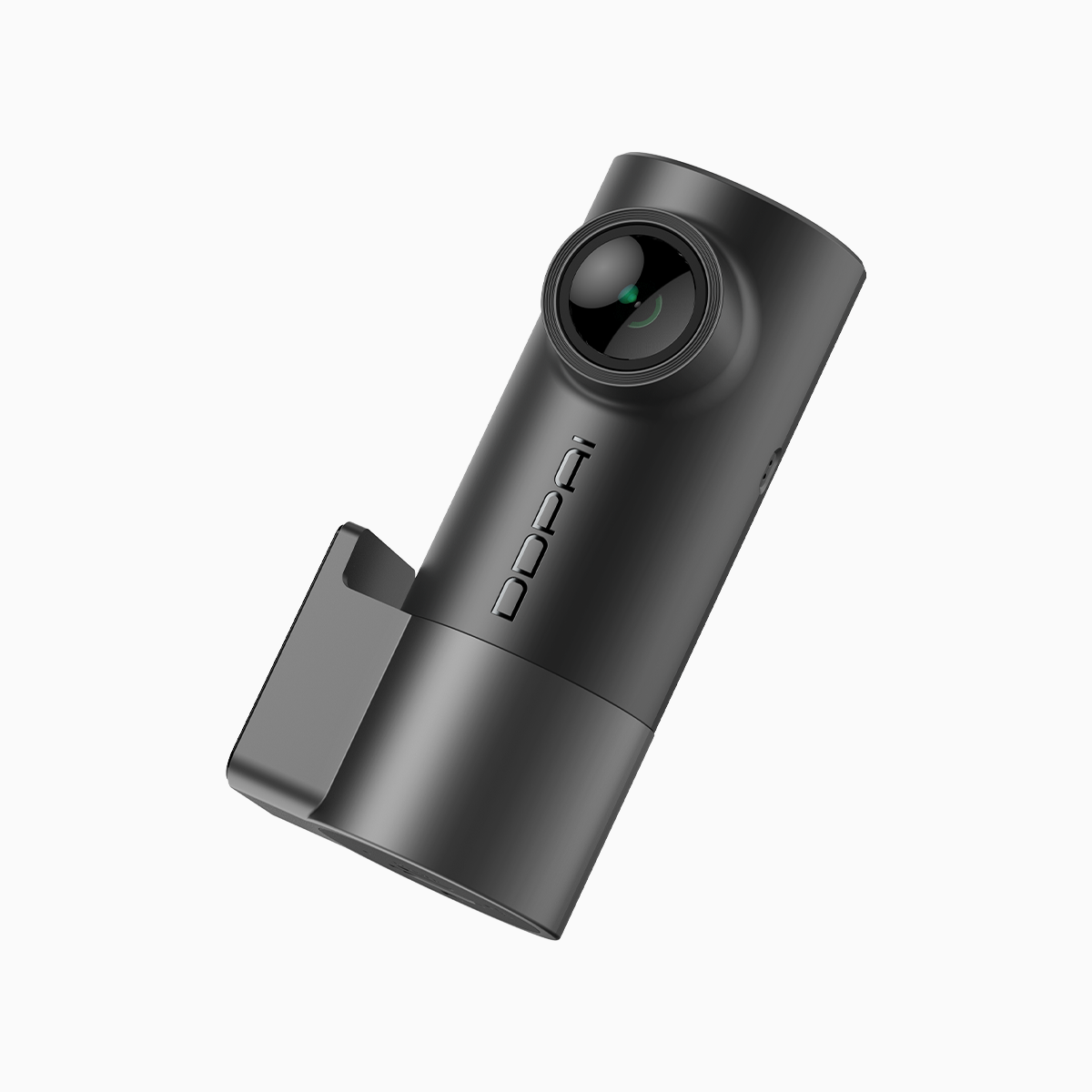
Road safety is a measurable problem—WHO reports roughly 1.35 million road traffic deaths annually—and urban corridors like EDSA in Metro Manila show how congested environments increase risk for ride-hailing drivers. Practical solutions come from tested kit and clear processes. I recommend systems that combine durable hardware and straightforward evidence export; that’s where products like the ddpai mini dash cam have proven useful for many drivers and small fleets in dense city traffic.
Three golden rules for choosing the right dash cam
Use these metrics as your decision filter—simple, measurable, and directly tied to outcomes.
- Video integrity: prioritize consistent resolution and frame rate (at least 1080p) plus reliable loop recording that prevents overwrite of locked clips.
- Incident capture reliability: ensure a responsive G-sensor and parking mode that activates on vibration or motion—these features preserve critical evidence when you’re offshift.
- Evidence management: pick a system with straightforward export options—Wi-Fi transfer, app-based clip tagging, or cloud upload—so you can produce files for authorities or your insurer without hassles.
Closing advisory and final authority
Apply those three rules to match your budget and routes, run a short installation and backup routine each week, and train any drivers who share the vehicle. The measurable benefit is fewer unresolved disputes and faster claim resolution when incidents occur. You’ll see clearer outcomes: less downtime, more preserved income, and stronger protection for both driver and passenger. DDPAI PH.
—steady protection.