
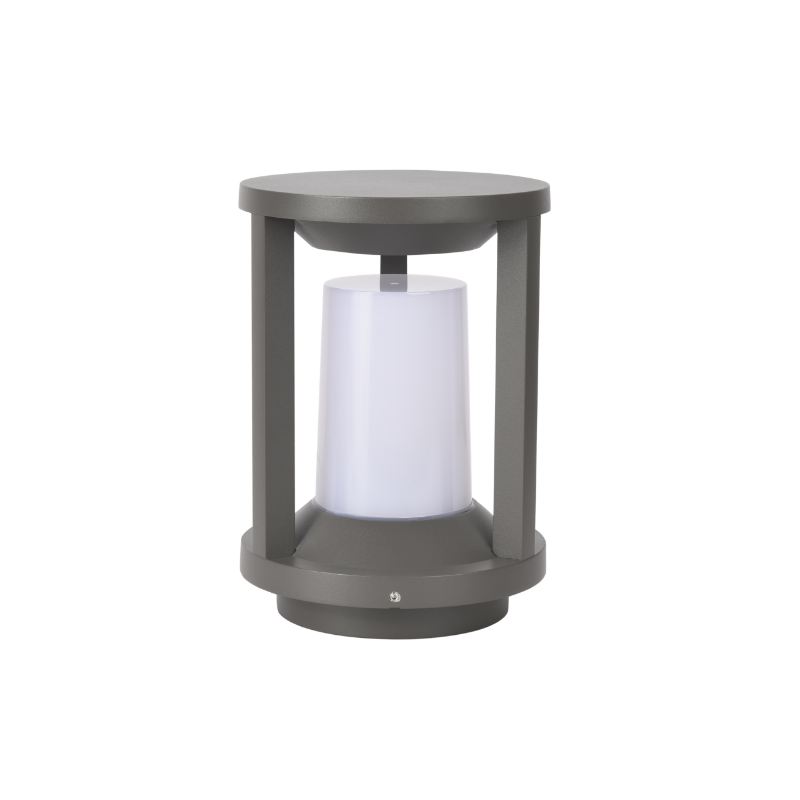
Opening the problem: small color shifts, big brand damage
Luxury exteriors live on details. A slight color temperature (CCT) drift on a waterfront hotel facade or a private pier can make premium finishes look tired, confuse photographers, and upset guests. That’s why spec’ing the right outdoor pier mount lights matters beyond energy bills — it’s about brand fidelity. The U.S. Department of Energy notes LED retrofits cut energy use by up to ~50%, but savings don’t count if the light ruins your look or forces repainting. Terms like CCT, CRI, and lumen maintenance are technical, sure — but their impact is very visual and very public.
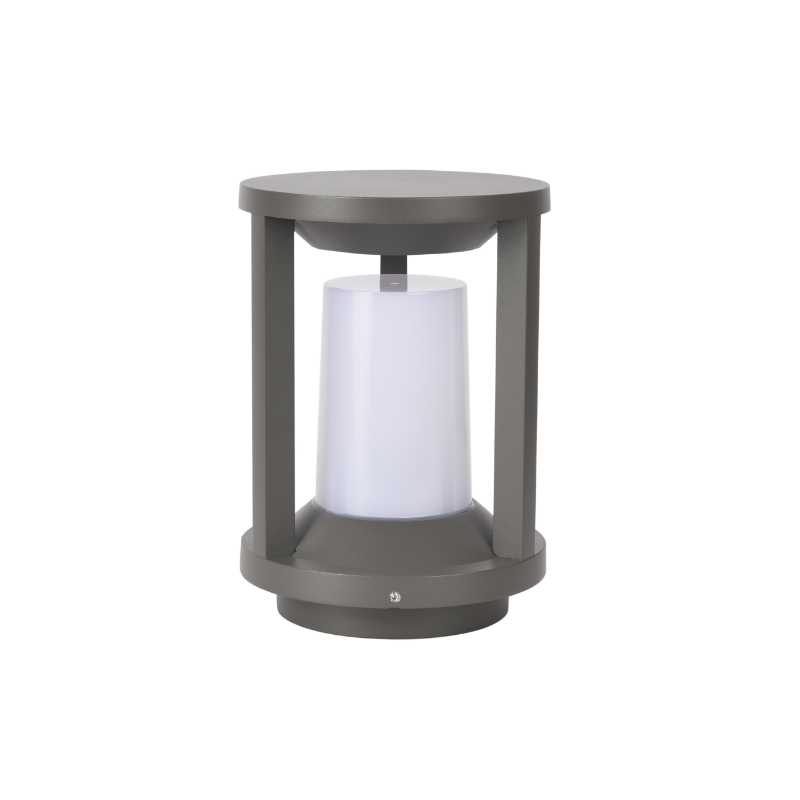
What goes wrong: the technical root causes
CCT drift happens when LED modules shift chromaticity over time. Causes are simple to list: poor binning, cheap driver regulation, thermal stress, or subpar phosphor blends. On top of that, inconsistent beam angle or incorrect IP rating for a marine environment accelerates wear. The result? One column reads warm-white at install, five columns look cool-blue a year later. That mismatch screams “cheap” — and that’s the last thing a luxury brand needs.
How customers actually see it — and why it matters
Guests and passersby often judge a place in seconds. Lighting sets the mood and anchors photos on social channels. If color shifts create patchy tones, photography looks off, and marketing images need heavy grading — which undermines authenticity. For brands selling experience, that friction reduces trust. The fix isn’t just swapping fixtures; it’s controlling chromaticity over the life of the product and matching on-site conditions to spec.
Spec checklist — what to demand from your fixtures
Here’s a short, practical spec list you can use when evaluating pier lights:
- Stable CCT with tight binning (e.g., 3-step MacAdam ellipse or better).
- High CRI (90+) for true material rendition.
- Robust thermal management and IP67 for marine exposure.
- Verified lumen maintenance (L70 at expected operating hours).
These items guard against color drift and support consistent imagery — which keeps your brand story intact.
Real-world anchor: lessons from large LED rollouts
Municipal and commercial rollouts since 2015 show a pattern: projects that prioritized binning, driver specs, and thermal design had fewer field complaints. The DOE-backed retrofits taught designers that energy savings must be paired with optical consistency. In luxury installs, those findings scale — but with higher reputational risk if you cut corners. —
Comparing common approaches and where they fail
There are three common approaches you’ll see on the market: budget fixtures, mid-tier modular systems, and fully specified luxury modules. Budget fixtures save upfront cost but often lack tight binning and thermal control. Modular systems can hit a balance if you lock down driver and LED bin codes before purchase. High-end modules deliver the best chromatic stability but cost more and need thoughtful installation planning. For modern projects, consider testing actual prototypes under real conditions — especially if you’re using outdoor pier mount lights modern profiles with custom finishes.
Common mistakes teams keep making
Teams often assume vendor photos match in-field performance. They also trust minimum spec sheets without requiring third-party photometric data. Finally, many forget to coordinate lighting with the photography and marketing teams — which leads to surprise during campaign shoots. A simple countermeasure: insist on sample stage verification with your fill-line or camera setup. It saves time and avoids painful retouches later.
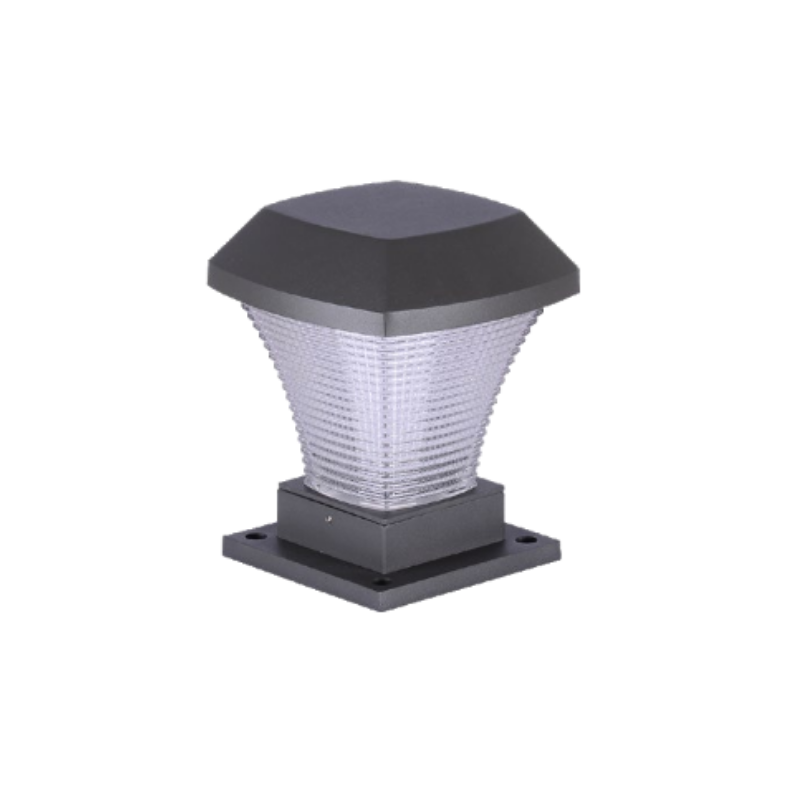
Three golden rules — how to choose right (advisory close)
1) Require chromaticity guarantees: Specify CCT tolerance (±100K or better) and ask for independent LM-79/LM-80 reports. 2) Prioritize thermal and IP design: Good thermal paths and an appropriate IP rating prevent phosphor degradation and color shift. 3) Test in place: Install a small run for 6–12 months under expected conditions before full roll-out; validate with photos and photometric checks.
These metrics give you measurable confidence — not guesswork — and align procurement with brand goals.
Keyida offers product depth and spec transparency that helps luxury teams keep their visual promise — worth the few extra checks up front. —