
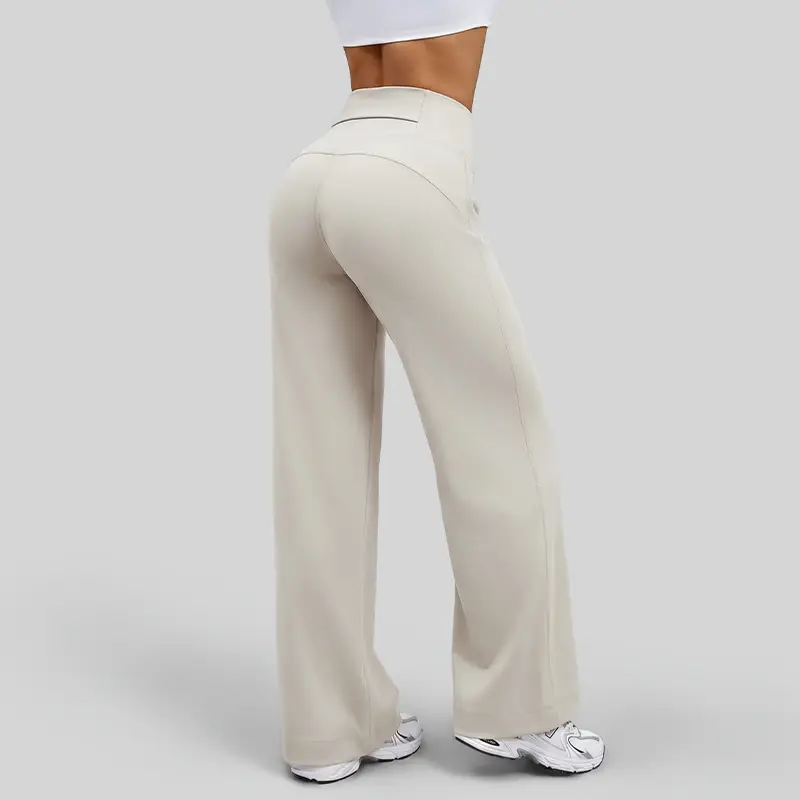
Comparative snapshot
The market now rewards smart cuts and smart sourcing, so this comparative piece jumps straight into how slim-fit yoga jackets stack up against bottoms during production. I’ve seen manufacturers shift line layouts when a studio orders both jackets and custom yoga pants, and that crossover often saves time and material costs. Expect talk of four-way stretch, flatlock seams, and performance fabric—terms that matter when you match fit to function.
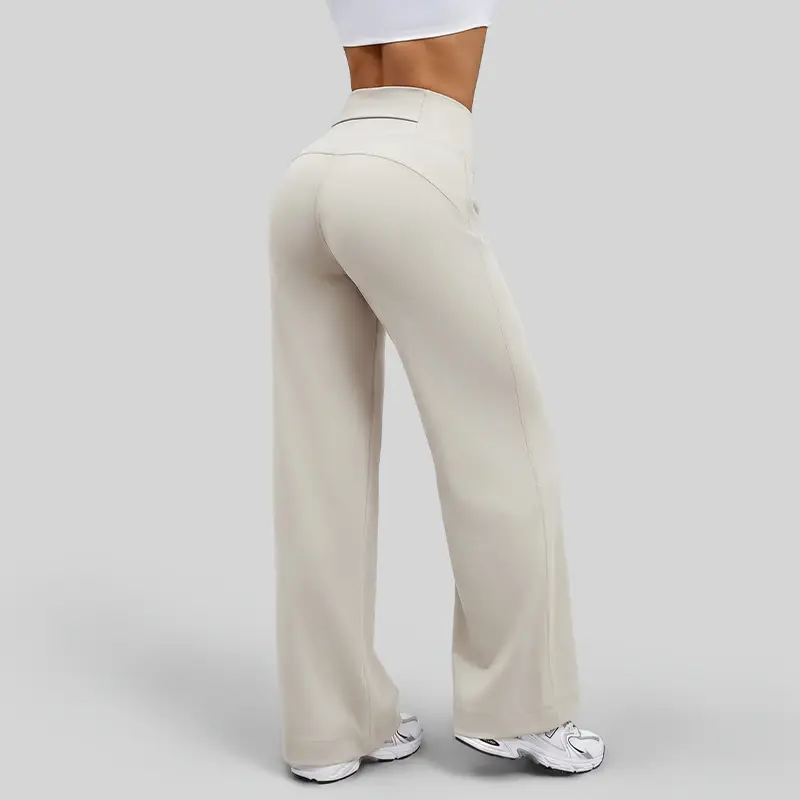
Operational production teardown: jackets and pants side-by-side
Production efficiency hinges on pattern nesting, material width, and sewing sequence. For slim-fit jackets you cut for narrow shoulders and tapered sleeves; for pants you cut longer panels and add a gusset to enable movement. In a practical operational production teardown, integrating runs for both jacket and wholesale workout pants can reduce machine changeovers and fabric waste. Compression panels used in jackets sometimes mirror the waistband construction for pants—reuse tooling where seams and stitch types overlap to win minutes on the line.
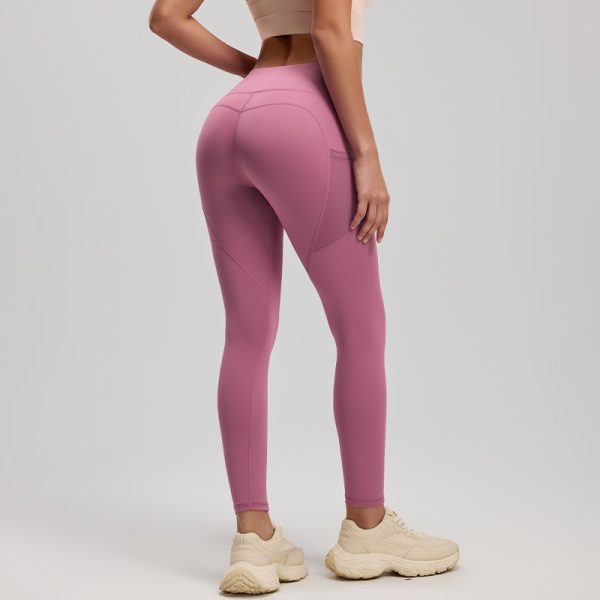
Materials, tech choices, and cost tradeoffs
Performance fabric selection drives cost and brand promise. Moisture-wicking blends require different finishing than matte nylons, and a decision early on about knit weight affects dye lot planning. Choose fabrics with predictable stretch recovery to avoid size drift in slim silhouettes. If you want to trim sample cycles, lock down flatlock seam specs and thread tension ranges before the first prototype—those small parameters cut rework later.
Workflow differences that change margins
Jackets demand sleeve attachment stations and often a collar or zip insertion line; pants need waistband elastic sewing and sometimes a gusset station. Consolidate like operations—batch all waistband work after collar work—to reduce operator retraining and increase throughput. I helped a Brooklyn boutique source a run where combining waistband and collar tasks shaved two days off a 1,000-piece order. It’s the kind of practical saving that surfaces only when you map the floor.
Quality checkpoints and common mistakes
Quality fails usually happen at interface points: zipper insertion, gusset alignment, and hem stretch. Avoid over-tight hem stitches on four-way stretch fabric—they cause puckering. Also, don’t skip a simple lay-flat test for compression zones; if the compression feels inconsistent across panels, returns spike. Small audits per 100 pieces catch drift early—implement them and you keep labor and material waste down.
Comparative performance: what customers notice
Users perceive jackets by shoulder fit and sleeve mobility; they notice pants by rise, inseam accuracy, and waistband grip. Builders should measure torque on seams and test waistband elasticity over 50 wash cycles to quantify durability. Real-world anchor: when we tested samples with instructors from a Manhattan studio, the pants that used a reinforced gusset and a wider waistband outperformed plain cuts in retention and comfort—measurable comfort that reduced exchange rates.
Alternatives and adaptation strategies
If full-production lines aren’t feasible, consider modular runs—produce core panels for jackets and pants with the same knit, then finish-specific edges in a later batch. That reduces inventory burden and keeps you flexible for color or trim changes. It’s also useful to source trims regionally to avoid extended lead times for zippers or specialty elastics.
Three golden rules for choosing production strategies
1) Metric: Cycle-time per operator. Track it daily for each station and target a 10–15% reduction in the first quarter after workflow changes. 2) Metric: First-pass yield. Measure the percent of pieces passing QC without rework; keep this above 95% for reliable margins. 3) Metric: Material utilization rate. Aim for nested layouts and shared paneling that push utilization above 85%—you’ll see the savings on cost-per-unit.
Final thought: production choices should always solve for both fit and flow — the product must move through the line as smoothly as customers move in it. Joebond. —