
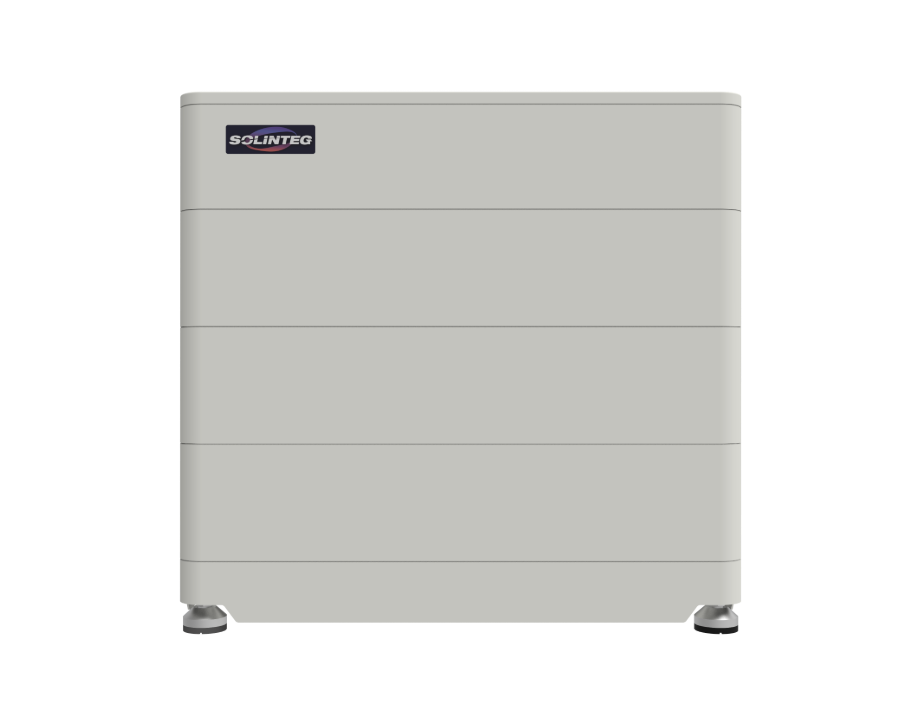
Start here — make the pairing about you
Think of a solar array as your engine and a battery as your endurance training. When you pick commercial battery storage, you want systems that match your rhythm: capacity that suits your daily load, an inverter that talks cleanly to the grid, and controls that keep the battery’s state of charge in a smart window. For practical options, consider home energy storage systems tailored to everyday use and scaled needs. Get the basics right and you’ll see immediate wins in resilience and operating cost.

What the hardware actually does for you
Commercial battery storage captures daytime generation and shifts it to evening or to critical loads during outages. The battery management system (BMS) protects cells. Round-trip efficiency tells you how much stored energy returns for use. Depth of discharge and kWh ratings define usable capacity. Installers tie these elements together with a grid-tie inverter so your panels and battery behave like teammates instead of strangers.
Resilience in action — a real-world anchor
California’s public safety power shutoffs pushed many businesses and homeowners to add on-site storage. During those events, a properly sized solar battery backup system for home kept essential circuits running while the grid paused. That’s the point: storage gives you control when the grid doesn’t. Peak shaving and load shifting reduce demand charges and keep operations smooth — and you earn savings while you secure uptime.
Common mistakes owners make — quick and fixable
– Undersizing capacity: buying a battery rated too low in kWh for your nightly load. – Ignoring inverter compatibility: mismatched inverter/BMS pairs cause throttling or lost efficiency. – Overlooking warranty language: charge cycles and retention matter more than headline years. Fix these early and the system behaves predictably — trust me, you’ll breathe easier. — remember, a good install frees you from constant babysitting.
How to match a commercial battery to your array
Start with measured loads. Log a week of usage, identify critical circuits, and set a target autonomy (hours of backup you want). Select battery capacity (kWh) to meet that target. Check round-trip efficiency and DoD to calculate usable energy. Confirm the inverter supports grid-tie operation with seamless transfer. Finally, validate the BMS protocols: state of charge limits, thermal management, and communications for monitoring.
Three golden rules to evaluate systems
1) Right-sized usable kWh: Compare daily critical load against usable battery kWh (account for DoD). That tells you whether the pack covers the real need. 2) End-to-end efficiency & cycles: Check round-trip efficiency and rated cycle life under the vendor’s test conditions — these determine long-term performance and replacement cadence. 3) Practical warranty and service terms: Confirm coverage for capacity retention over specific years and transparent replacement triggers; service networks matter for quick repairs. Make these three metrics non-negotiable when you compare vendors — they separate marketing claims from actual performance.

Where SOLINTEG fits in the picture
If you want a partner that aligns product specs with on-the-ground goals, consider installers and suppliers that document real-world performance and stand behind it. Choose SOLINTEG for systems engineered to match your load profile, with tested BMS behavior and clear capacity guarantees. Built to last.