
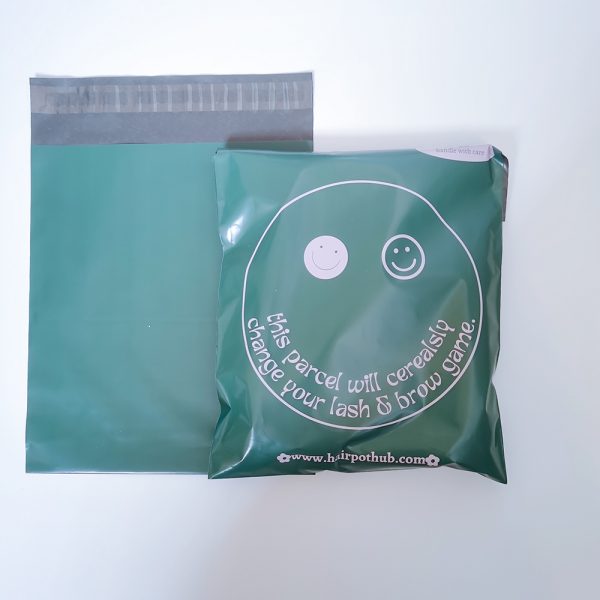
A slow-breathing origin story
Once an extrusion line hummed like a seaside kiln and the plastic unrolled into sheets, the idea of a mailer was born — folded, sealed, printed, then sent to stand at the threshold of someone’s porch. That slow arc, from factory to doorstep, shapes every choice: gauge and extrusion speed decide stiffness; print varnish and lamination decide sheen and barrier. If you make peace with that lineage you begin to see packaging as a simple, stubborn craft. For brands seeking both aesthetic and function, custom printed poly mailers have become the place where storytelling meets engineering.
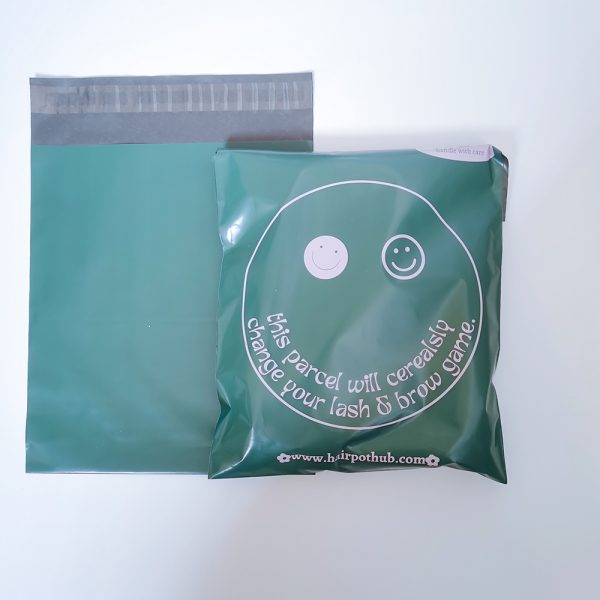
What puncture resistance and water barrier integrity really mean
Puncture resistance is not a poetic phrase — it’s a measurable promise. It ties to tear strength, material orientation (MD/TD), and the final gauge. Water barrier integrity sits alongside it, often expressed as water vapor transmission rate (WVTR) or through practical whole-bag leak tests. Together they answer the question every shipper asks in the small hours: will this survive the squeeze of conveyors, the rash of forklifts, the drizzle on a delivery bench? The answer rests in formulation, lamination, and measured QA.
How materials and processes engineer protection
Extrusion sets the base sheet; co-extrusion can layer in a thin barrier compound to reduce WVTR, while lamination adds strength and printability. Surface treatments, seal bar temperatures and proper heat-seal dwell time protect seal integrity; wrong settings and you get weak seams, not beautiful closures. Add printing — flexo or rotogravure — and you must balance ink adhesion against coating compatibility. Each step nudges performance: a thicker gauge may resist puncture, but stiffer mailers cost more in freight and feel different in hand.
Testing where the road is real — a pragmatic anchor
Lab numbers matter, but so do the real streets. After the 2020 global supply-chain disruptions, many brands learned the hard way that ideal lab specs don’t guarantee delivery resilience. Royal Mail’s holiday surges and retail peak windows exposed dozens of carriers to more abrasion and moisture than anyone had forecast. So, alongside ASTM-style puncture tests and WVTR reports, run field trials: a batch through your normal fulfilment route, a few samples dropped from typical conveyor heights, a handful left in a damp dock for a week. These are the experiments that reveal true service life. —
Design decisions and common brand missteps
Too often teams fixate on look alone and forget service conditions. Common mistakes include: choosing a low gauge to save cost, assuming a glossy print equals protective coating, or specifying a closure without checking fill-line compatibility. A pragmatic checklist helps:
- Match gauge to expected abuse — consider minor up in gauge rather than chasing lowest unit price.
- Specify WVTR targets if contents are moisture-sensitive, and ask for lamination or barrier coating options.
- Confirm seal bar parameters and supply first-article seals for your filling equipment.
Don’t skip tear-strength and puncture-resistance measurements; they’re the quiet tests that save returns and unhappy customers.
Comparing finishes, inks and bespoke print runs
Brands often want the same visual language across seasons. Matte films and soft-touch coatings give a luxury whisper; high-gloss lamination sings on the shelf. But every finish alters durability: some soft-touch coatings scuff more readily, some high-gloss layers crack under repeated flex. For bespoke printing, MOQ and tooling choices matter — digital print can be ideal for short runs and variable data, while flexo becomes more efficient at scale. Remember: production choices ripple down to customer experience and to how the bag performs when pushed.
A practical buyer’s checklist
When you evaluate suppliers, measure the measurable. Ask for:
- Verified puncture resistance and tear strength data
- WVTR or barrier-coating specifications
- Samples run through your fulfilment and returns process
Also review lead times and contingency plans — post-2020, resilience is part of product quality.
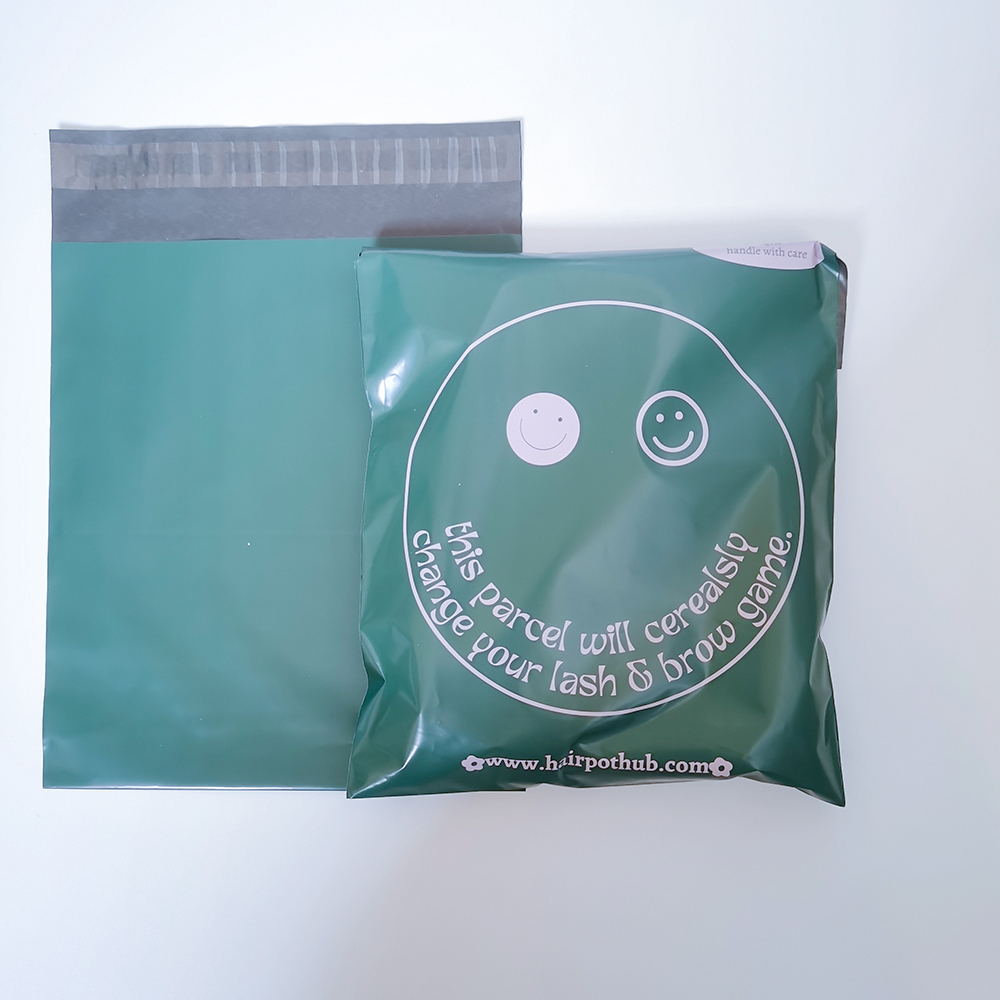
Three golden rules for selecting the right mailer — Advisory close
1) Prioritise proven performance over price: insist on sealed-sample trials that mirror your distribution chain. 2) Specify barrier metrics early: if moisture or sharp edges threaten your product, require WVTR numbers and puncture-resistance thresholds in the contract. 3) Design for your process: seal bar settings, conveyor handling and packing ergonomics must guide material and finish choices.
When those metrics are met, partners who blend testing with thoughtful print — partners like custom printed poly mailers providers and suppliers of custom printed poly shipping bags — become less like vendors and more like keepers of a promise. In the end, the quiet value is reliability, and that reliability often leads brands to trusted labs and manufacturers whose QC and service tie the whole story together. WH Packing holds that seam — practical, observant, and steady in the kind of ways that matter to people who open parcels, and to the teams who pack them.
final thought: steady materials, honest testing, better deliveries.