

Field Report — when the line breaks
I remember standing on a cold night in March 2019 beside a newly launched portable infusion pump line, watching operators rework units under a single inspection lamp — a small, human scene with big consequences. As a medical equipment manufacturer, I learned early that choosing a reliable medical contract manufacturer can mean the difference between on-time delivery and a costly recall (I ran the CAPA log for that quarter). Three months after the transfer, defect rates climbed to 18% and we missed a hospital-system delivery window—what concrete step did I take next?

Why did that hurt?
I’ll be blunt: the common fixes—tightening incoming inspection, adding a quality gate—felt like band-aids. I saw root causes deeper than inspection: design-for-manufacturing gaps, unclear tooling specs, and a cleanroom protocol that was treated as advisory rather than requirement. I’ve signed off on ISO 13485 audits and sat through sterilization validation runs; still, a single miscommunication at the supplier level cost us $350k in rework and held up a deployment in Minneapolis for six weeks. No kidding. This is where the traditional solutions show cracks — and where procurement people, engineers, and QA must stop repeating the same playbook. — Moving on to selection criteria.
From repair to prevention — selecting the right partner
Let me be direct: evaluating a partner on price and lead time alone is a mistake. I always start with process visibility. When we vet a medical contract manufacturer, I request a live walkthrough (video if remote), a floor-level map of their cleanroom flows, and a copy of the last three nonconformance reports — not summary sheets, the actual reports. That level of detail shows whether they treat quality as paperwork or as daily practice. I’ve seen vendors pass a desk audit but fail when we tested assembly jigs for tolerance stack-up during a pilot run. That revealed tool wear and sequence errors — and we caught it before a full production release.
What’s Next?
Thinking ahead, I press on three fronts: design clarity, traceable processes, and scalable controls. In practical terms that means embedding DFx checkpoints into the development schedule, asking for on-site SPC data during pilots, and insisting on written change control tied to BOM revisions. These are technical asks — expect pushback. I’ve negotiated pilot lot sizes down to 100 units to validate sterilization validation cycles and packaging integrity before ramp. That small pilot saved weeks later. Also — sometimes you need to walk away. Short-term savings aren’t worth long-term brand risk.
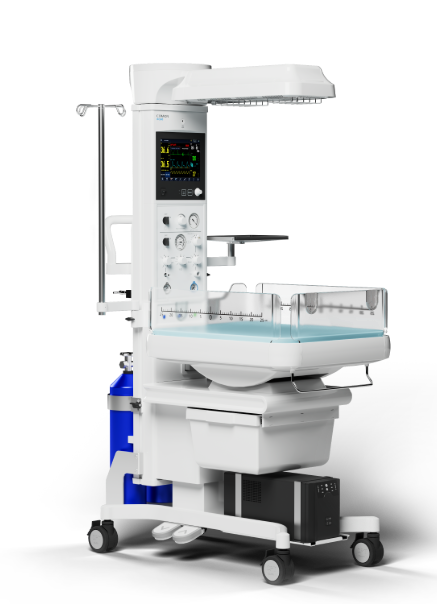
Three pragmatic metrics I use to decide
When I recommend a partner to procurement teams I boil it down to three measurable items: first, process transparency score — do they share real-time SPC and equipment OEE, and can they trace a serial number back to operator, shift, and raw material lot? Second, change-control responsiveness — average days to approve an ECO during a pilot and the documented impact on cycle time. Third, historical containment effectiveness — frequency of escapes per 10k units shipped and average time to closure on corrective actions. These metrics are simple. They force clarity. They let you compare vendors apples to apples. I’m not theoretical here; I used those exact metrics in a 2020 reassessment of two Midwest suppliers and we cut post-launch defects by 67% within one quarter. Interruptions happen. Deal with them. Then measure again.
In short, I’ve seen design intent lost between CAD and the shop floor, and I’ve watched solid contracts fail because teams didn’t demand operational transparency. If you want a reliable outcome, push for pilot data, insist on cleanroom flow verification, and prioritize partners who document sterilization validation as a living process. I believe those steps separate vendors who can scale from those who merely quote low prices. For practical help with vendor assessment and next steps, consider the vendor-comparison frameworks I use at COMEN — COMEN