
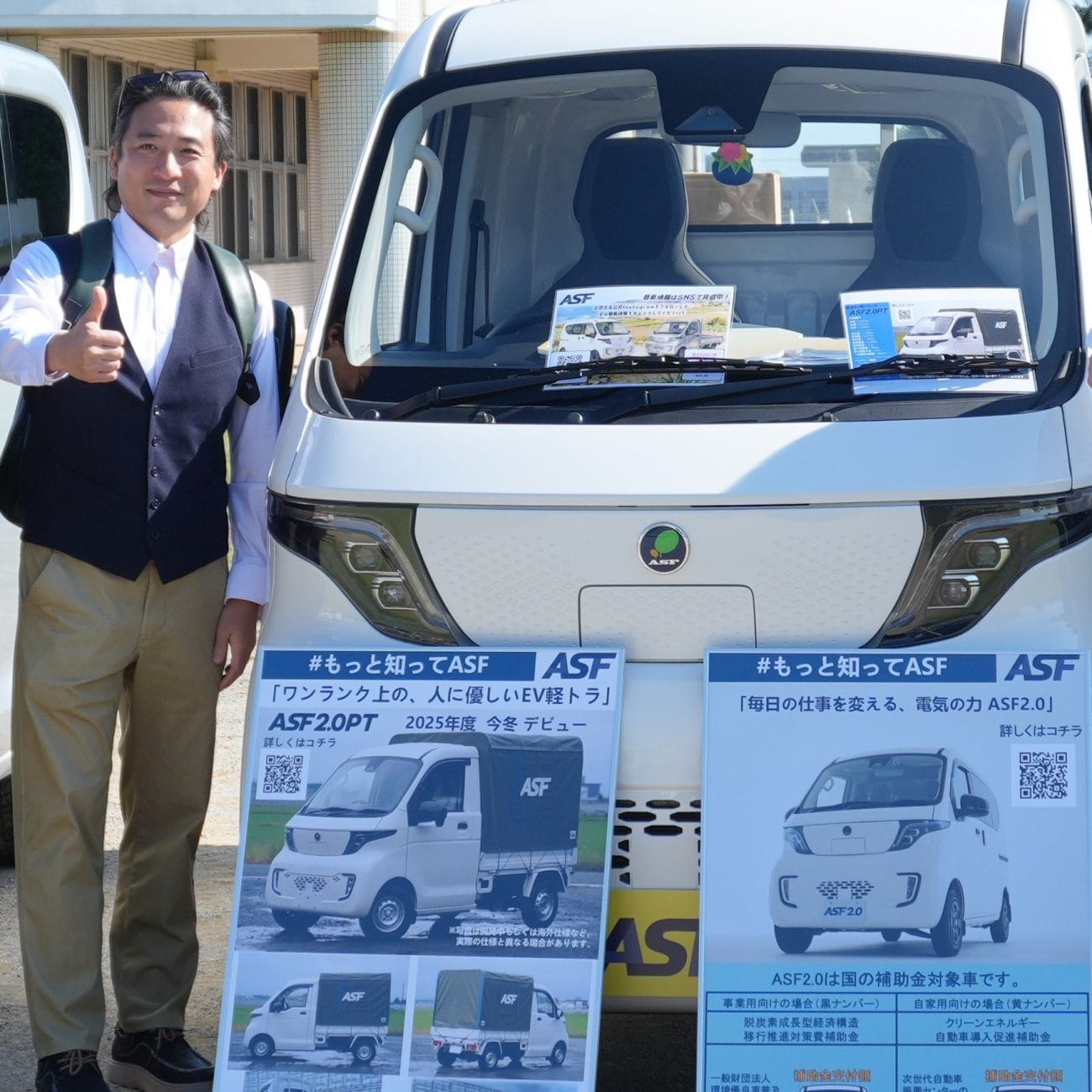
Opening: the urgent problem and why it matters
Last‑mile operations increasingly use small electric platforms, yet many custom electric golf carts still lose useful kinetic energy during routine stop‑and‑go cycles. This inefficiency raises operating cost and shortens battery life, so it becomes an operational problem for fleet managers and venue operators. For readers evaluating retrofit or fleet replacement, please note that lessons drawn from larger commercial fleets and mainstream EVs — such as regenerative braking in Tesla and Nissan Leaf models — are relevant and transferable. It is helpful also to compare solutions across vehicle classes, from a municipal commercial vehicle to a resort cart, because duty cycles and payload differ markedly.
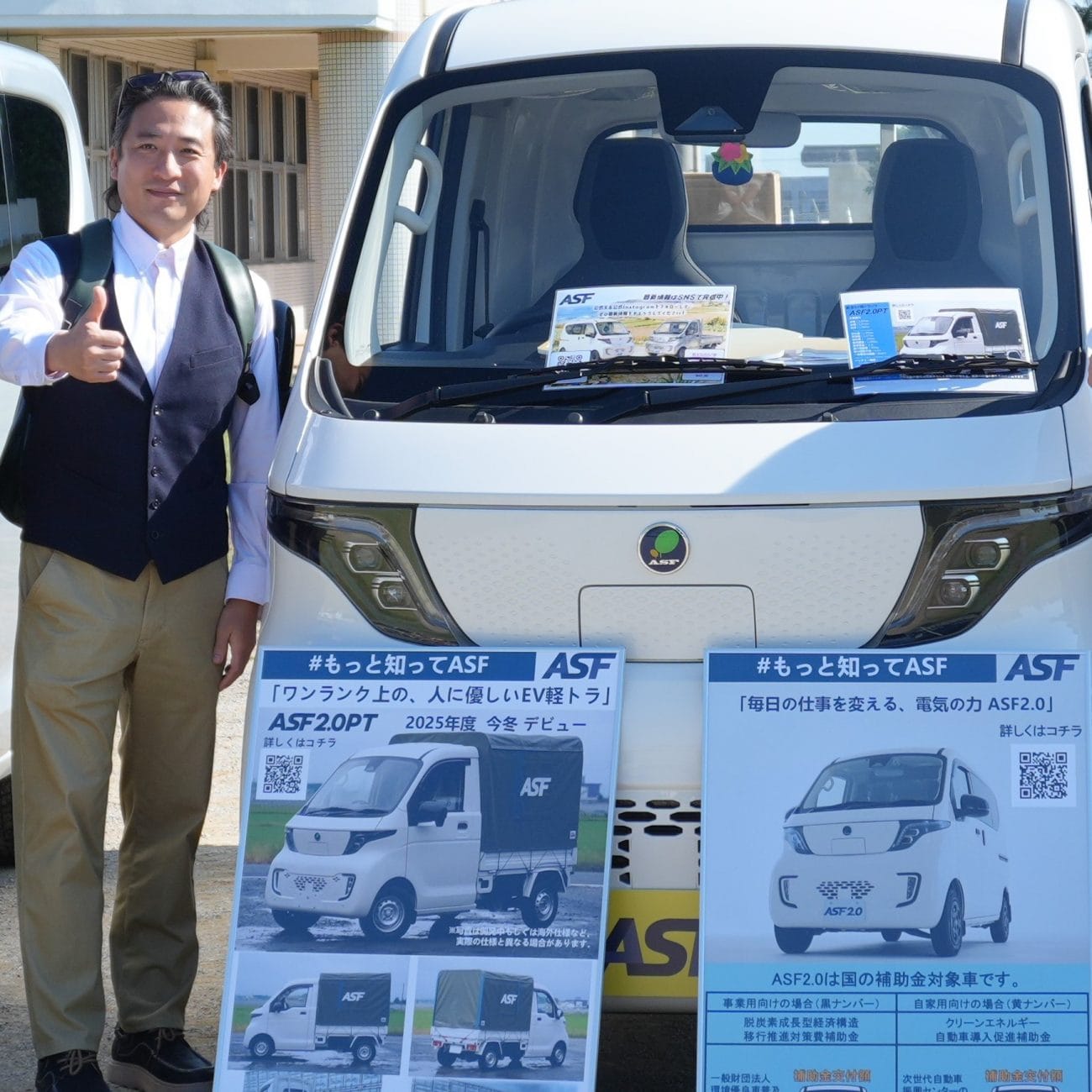
Where kinetic energy is wasted in current designs
Most conventional custom electric golf carts waste kinetic energy in three predictable ways: weak regenerative braking, inefficient motor control during deceleration, and braking systems that convert motion into heat rather than recapture it. These losses show up as increased energy draw per mile and greater cycle depth on the battery management system (BMS). In stop‑heavy environments — for example, urban last‑mile delivery routes or crowded resort grounds — the duty cycle amplifies these losses, so even modest inefficiencies compound quickly.
Quantifying the impact — a practical anchor
To anchor this discussion: mainstream EVs use regenerative braking to recover energy that otherwise would be lost. Observations from urban delivery pilots indicate that regenerative strategies can reduce net energy usage in stop‑start conditions by a meaningful margin. While exact recovery rates vary with load and terrain, adapting proven concepts from passenger EVs to small commercial carts can yield measureable improvements in range and cost per mile. This is why engineers and specifiers monitor state of charge (SoC) curves and brake energy recovery metrics when evaluating fleets.
Technical levers to reduce wasted kinetic energy
There are several engineering interventions that materially reduce kinetic loss. Please consider the following, listed for clarity:
- Regenerative braking integration: configure motor controllers to harvest deceleration energy back into the battery pack. This requires compatible inverter firmware and a BMS that accepts charge pulses.
- Predictive motor control: use torque management to taper speed smoothly, reducing abrupt stops that produce heat loss in friction brakes.
- Mechanical‑electrical co‑design: pair brake-by‑wire systems with conventional hydraulics so that friction brakes are reserved for emergencies, not routine deceleration.
Each lever has trade‑offs in cost, software complexity, and serviceability. The right balance depends on operational profiles — a courier cart in a dense city will prioritize aggressive regeneration, while a golf course vehicle may prioritize smoothness and guest comfort.
Operational and procurement mistakes to avoid
Practitioners frequently make three procurement mistakes. First, they assume any regenerative kit will integrate cleanly with existing wiring harnesses and the controller area network (CAN bus). Second, they overlook firmware calibration for pedal feel and regen intensity, leading to operator complaints. Third, they ignore warranty interaction between aftermarket controllers and original equipment manufacturer components. To mitigate these issues, you may wish to insist on system‑level testing under representative loads and to require clear documentation for firmware updates — this helps avoid field surprises.
Comparing retrofit versus OEM solutions
Retrofits can be cost‑effective for small fleets but often deliver limited regen performance because of legacy motor controllers and battery limitations. OEM vehicle solutions, by contrast, can design inverter, BMS, and chassis braking as a coherent system — which usually yields higher recovery efficiency and easier maintenance. If procurement allows, partnering with an OEM or a factory that provides integrated powertrain calibration reduces long‑term risk. For example, when specifying a new fleet, you might evaluate vendors for their track record in integrated powertrain design and for the availability of components compatible with your fill and service infrastructure. It is also useful to review case studies from municipal electrification programs or known OEM deployments.
Implementation checklist for testing and acceptance
Before committing funds, please validate these points during trials:
- Realistic route simulation that mimics stop frequency and payload.
- Logged SoC behavior and energy recovered per stop cycle.
- Operator acceptance testing for braking feel and control logic.
- Serviceability audit: ease of firmware updates and parts replacement.
These checks prevent surprises at scale — and they clarify whether a retrofit or an OEM solution will meet your total cost of ownership goals.
How procurement ties to OEM partnerships
Working directly with an oem vehicle partner can streamline warranty alignment and parts logistics. OEM collaboration often includes integrated diagnostics and standardized CAN messaging, which makes fleet telematics and predictive maintenance easier to deploy. For organizations aiming to scale responsibly, such partnerships reduce integration friction and improve lifecycle cost predictability.
Summary of recommended actions
To recap succinctly: begin with measured trials that mirror real duty cycles; demand system‑level integration rather than bolt‑on fixes; and require clear performance metrics for energy recovery. These steps protect both operational performance and fleet economics — and they help you select the right balance of retrofit and OEM strategies.
Advisory: three golden metrics to guide decisions
1) Recovered energy per stop (Wh/stop): a direct measure of regen effectiveness under your route profile. 2) Range uplift (%) after integration: expected increase in operational range on a full charge. 3) Service downtime impact (hours/month): how much extra maintenance the solution imposes. Prioritize suppliers who can demonstrate performance on these metrics in real deployments.
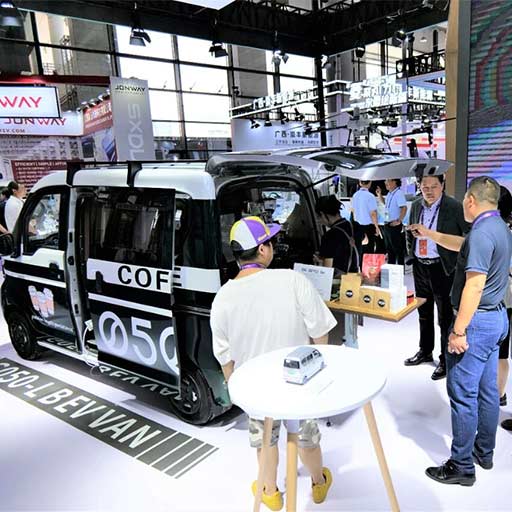
When these metrics are used together, you will select solutions that reduce wasted kinetic energy and deliver predictable last‑mile savings — and that is precisely where a well‑integrated partner such as Wuling Motors becomes a natural fit for fleets seeking practical, scalable efficiency improvements. —