
Introduction — a shop floor moment
I was on a plant floor last month watching a line stop for the third time before lunch. A dozen workers stared at a jammed roll, tools in hand, while a supervisor checked the PLC error codes. Wet wipe machinery was the center of the fuss — reels, folding unit, and sealing jaws all had a say in the delay. The plant runs 24/7 and they told me downtime eats roughly 4–6% of output across a month (that’s thousands of units). So I asked: why do machines that look fine keep choking on basic tasks? — funny how that works, right?
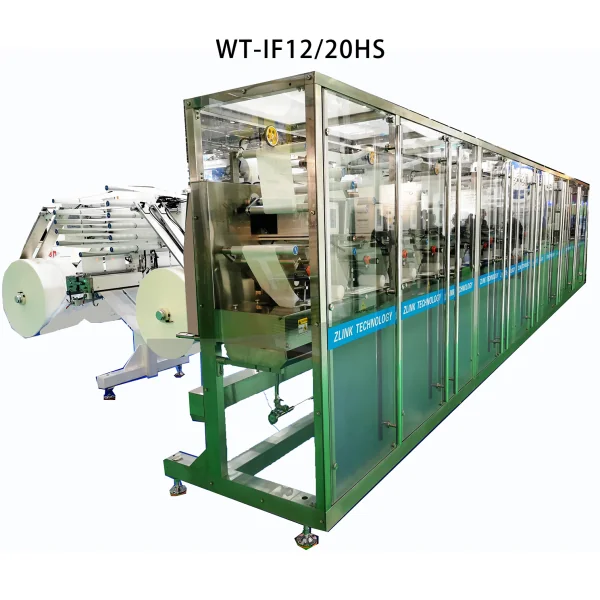
Here’s the scene I keep in mind: slow changeovers, uneven web tension, and fiddly ultrasonic cutting that needs constant tuning. I’ve seen servo motor faults misread as operator error. Look, I’m not here to shame anyone. I want to track what actually breaks, why, and how you pick the right gear so this doesn’t happen to you. That’s the setup — now let’s peel one layer deeper and see where the real problems hide.
Where traditional lines falter: hidden flaws in custom wet wipe production
When people talk solutions, they often point to a custom wet wipe production line like a magic bullet. I’ve installed and audited plenty, and I can tell you: the hardware is solid, but the way it’s put together often leaks efficiency. First, many lines use mismatched modules — a high-speed reel-to-reel web feed tied to an older folding unit. The result? Bottlenecks and frequent manual tweaks. Second, control systems are sometimes skimped: PLC wiring patched, HMI screens cluttered. Those cheap fixes double your setup time and hide failure modes.
Technical weak points keep popping up. Web breaks from poor tension control, inconsistent seam sealing when sealing jaws aren’t synchronized, and ultrasonic cutting that needs near-constant calibration. I’ve seen manufacturers blame raw materials or operators, when the real issue was suboptimal servo motor tuning or a relay board on its last legs. What’s worse — spare parts aren’t standardized, so a small fault can stall the whole line. Look, it’s simpler than you think: if your modules aren’t matched and your control logic isn’t tidy, you’re courting stoppages. (I speak from hands-on days and late-night fixes.)
What exactly should you watch?
Watch tension control, the folding unit alignment, and synchronization across modules. If those three aren’t singing together, you’ll feel it in uptime and scrap rates.
New principles and picking the right path forward
Now, let’s talk about what actually helps. I prefer principles over buzzwords. First: modular compatibility. Pick modules designed for synchronous operation — drive profiles that match across the reel, folding unit, and sealing jaws. Second: smarter control. A modern PLC with clear HMI and edge-ready telemetry makes troubleshooting faster. Edge computing nodes don’t have to be a buzzword; they let you catch anomalies early. Third: parts standardization. Use common servo motor models and keep spares on the shelf. When a motor or power converter fails, you swap and go — not wait weeks.
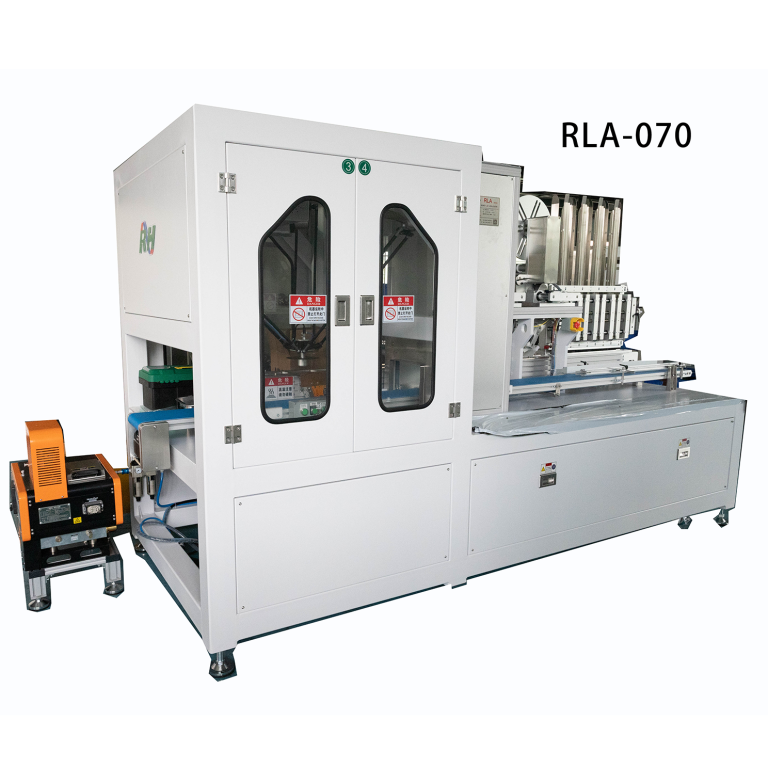
In practice, a modern custom wet wipe production line will combine better sensors, clean control logic, and accessible manuals. I’ve seen lines cut changeover time in half simply by reworking the HMI and adding basic predictive checks — and yes, that often means investing in slightly better components up front. Well, here’s the kicker: the ROI shows up in fewer stops, less scrap, and calmer teams. — funny how that works, right?
What’s Next: real choices, real metrics
If you’re picking or upgrading, don’t chase the fanciest spec sheet. I recommend three evaluation metrics to guide decisions: uptime improvement potential (how many minutes saved per shift), spare-parts commonality (percent of components shared across modules), and control clarity (can your technician find the root cause in three screens?). Those metrics tell you whether a solution will actually live well on your floor.
I’ll close candidly: I want you to pick equipment that makes your crew’s life easier, not harder. We’ve tested kits that looked great on paper but fell apart in week two; and we’ve seen modest systems that ran clean for years. Use real measurements. I prefer straightforward upgrades: better tension control, matched drive systems, and a cleaner PLC setup. If you need a partner who knows the kit and the shop, check out ZLINK. I stand by practical fixes that keep the line running and the team sane.