
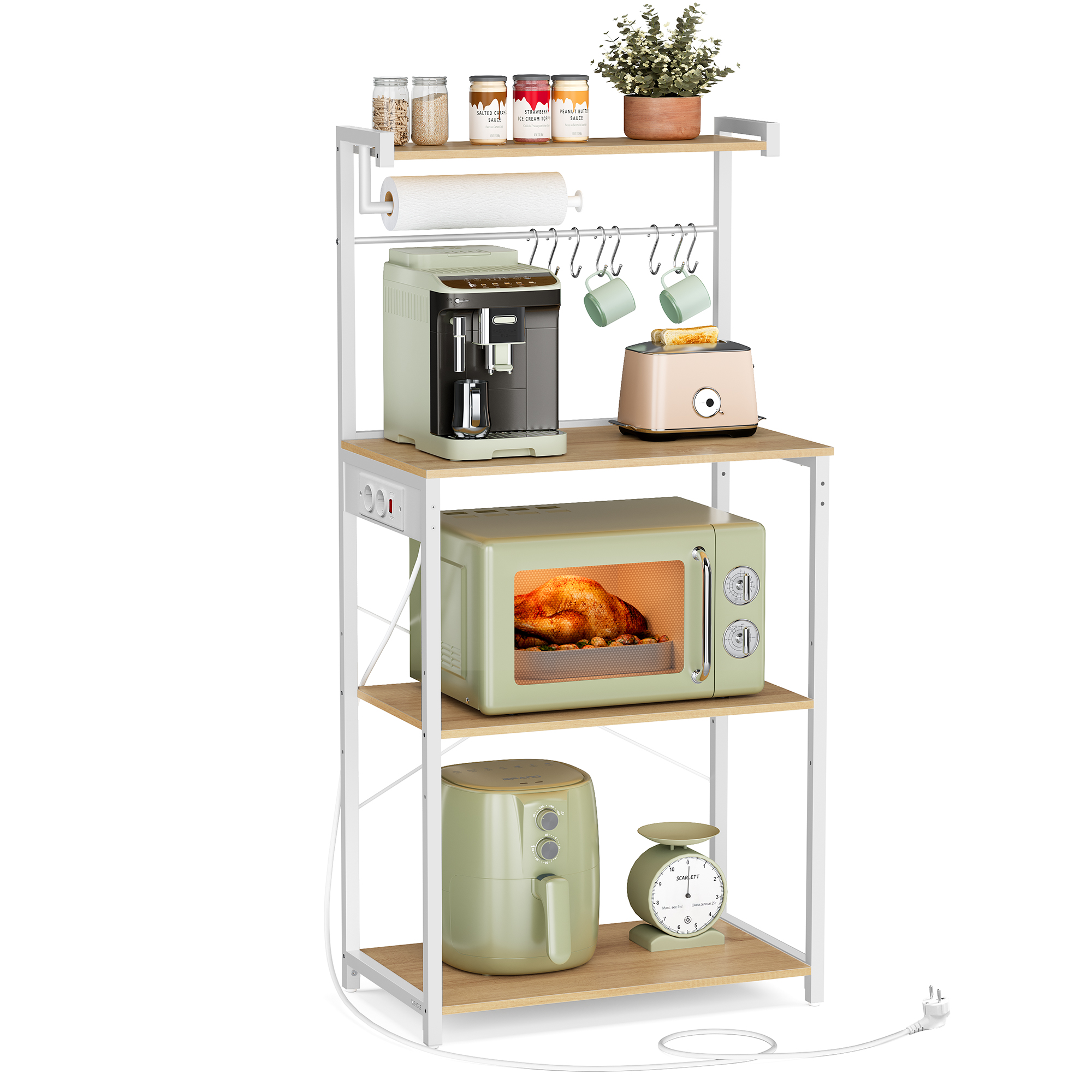
Introduction: Why Storage Choices Now Shape Tomorrow’s Kitchens
Here’s the hard truth: messy back-of-house storage burns time, energy, and budget every single shift. Kitchen racks manufacturers face this at scale, as buyers push for clean, durable systems that also cut waste. Picture a high-volume café after a rainy weekend rush; staff shuffle bins, overstock piles up, and the dish area becomes a bottleneck. Early data from facility audits shows that disorganized shelving can add 8–12% to walk time and push food loss up by a few points—small numbers that stack up over a quarter. So where do buyers of wholesale kitchen racking shelves begin when they want performance that also respects the planet (and the payroll)? Steel recycling rates are above 85% in many regions, yet poor rack design still causes avoidable replacement and transport emissions. Could a smarter, modular approach keep kitchens lean while reducing footprints?

Let’s compare what works now—and what needs to change next.
Part 2: The Hidden Pain Points of “Standard” Kitchen Racks
Where do traditional methods fall short?
Most legacy shelving solves only the visible mess. The deeper issues hide in load rating, corrosion resistance, and cleaning time. If frames flex under peak load or wheels wobble, staff slow down and routes change. That builds fatigue. In humid zones, unsealed welds and thin powder coating fail early, so rust blooms near joints. Then cleaning takes longer, and food safety risk rises. Over a year, that adds overtime and replacement spend. Look, it’s simpler than you think: the wrong finish or grade (201 vs 304 stainless) can shave years off service life. A tighter spec on galvanization, E-coat priming, or electropolishing saves hours per week in wipe-down cycles and cuts harsh-detergent use.
Another quiet problem is fit. Non-modular uprights force one layout on many SKUs, while SKU velocity shifts by season. If your wire spacing and shelf depth can’t adapt, pick paths grow longer and operators stack items in unsafe zones—funny how that works, right? Add weak casters, and mobility drops. In short, standard kits often miss the real workload: wet floors, heavy prep bins, and daily knock-around. The result is micro-inefficiency everywhere. Technical fixes exist—sealed welds, food-grade coatings, 304 stainless contact points, and clear load-bearing capacity labels—but they’re rarely bundled in low-MOQ programs. The gap isn’t glamour. It’s spec discipline, lifecycle thinking, and vendor follow-through in QC sampling.
Part 3: Forward-Looking Design—How the Next Wave Improves Cost and Impact
What’s Next
The next generation of racks blends smart modularity with cleaner manufacturing. Think adjustable uprights that lock without tools, reinforced corners to raise safety factors, and casters rated for wet floors. On the process side, low-VOC powder coating and E-coat primers extend corrosion performance while easing cleanup. Some factories now map hotspots with airflow modeling before finalizing wire geometry. That boosts drying after washdowns and cuts bacterial harborage. A reputable china kitchen steel storage rack manufacturer will also track heat-treatment uniformity and weld penetration, then publish salt-spray hours for each finish option. Semi-formal as it sounds, these “new technology principles” are simple: better metallurgy, better coatings, better airflow—and modular parts that actually reconfigure without stress cracks.
Case signals are promising. Kitchens that swap to reinforced wire with sealed joints report faster wipe-downs, fewer rust complaints, and smoother cart traffic on tight lines. Material lifecycle analysis is improving too; mills are upping recycled content while keeping tensile strength in spec. And packaging is getting smarter—flat-pack designs reduce cube, which drops freight emissions and warehouse costs. Then the kicker: when operators can add one shelf or convert a bay to a drying rack, they delay replacement cycles by years—free capacity without capex. The comparative view is clear: modular steel with proven coatings beats static kits on TCO, safety, and hygiene. The future isn’t flashy. It’s measurable upgrades in airflow, fasteners, and finishes that make daily work lighter.
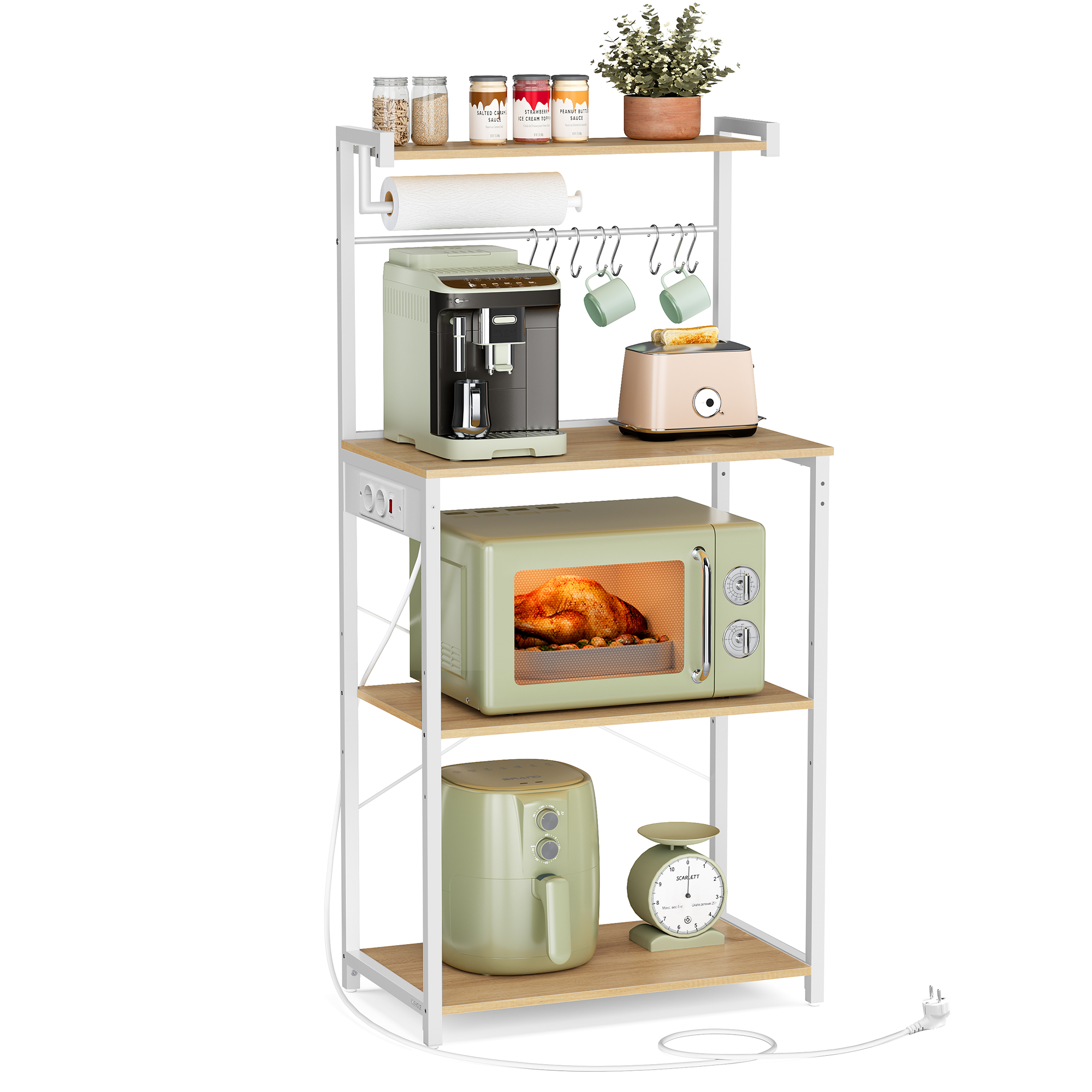
Conclusion: How to Choose Better Racks—Fast
If you’re short on time, use three metrics to grade options. 1) Corrosion and hygiene: verify stainless grade, finish type, and salt-spray hours; ask for weld-seal details and NSF/food-contact notes. 2) Structural safety: confirm load-bearing capacity per shelf, safety factor under dynamic load, and caster rating for wet floors. 3) Lifecycle and supply: request recycled content, spare-parts availability, and QC sampling frequency (plus lead time and MOQ). Score vendors against these, then pilot one line before rolling out. You’ll cut waste, simplify cleaning, and stabilize shifts without big spend—and that relief shows up in both uptime and morale. For context and sourcing dialogue, see SONGMICS HOME B2B.