
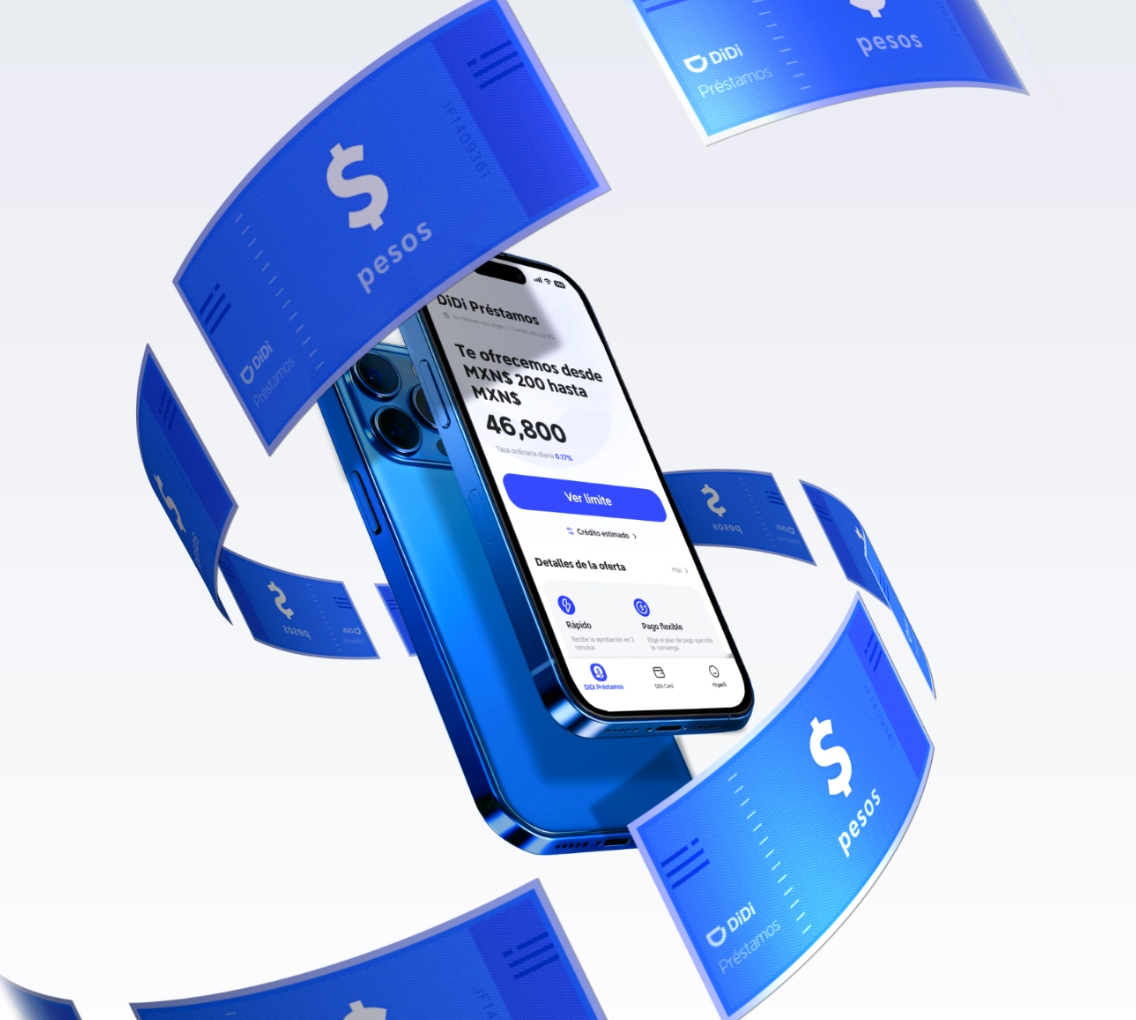
Framework first: why structure beats impulse
Small plan. Consistent action. That is the framework. Start with a reliable payment product—like the didi card—and a clear set of rules. In Mexico City, people already trust mobile wallets and apps for daily transport and food. Use that familiarity. Translate it into a disciplined approach to credit: focus on payment history, control credit utilization, track statements. Très bien.
Core components of the mobile credit-building system
Keep it few. Three components only. First: a registered BNPL or credit line that reports to bureaus. Second: automatic reminders and scheduled payments in the phone. Third: a simple dashboard to monitor balance and due dates. Industry terms matter—credit score and payment history are the levers. Connect them to everyday behavior. Small wins compound.
Step 1 — Choose the right pay-later product
Not all buy-now-pay-later is equal. Look for products that report on-time payments to credit bureaus. Check interest or APR when a balance is carried. If you prefer a traditional option for larger purchases, consider a tarjeta de credito en linea that reports reliably. Keep the setup lean. One card. One BNPL. No clutter.
Step 2 — Set rules and automation
Create three rules and automate. Rule A: Pay full amounts when possible. Rule B: Never let payments miss a due date. Rule C: Keep utilization under 30% of approved limits. Then automate. Use calendar alerts, bank auto-debit, phone notifications. Small friction removed. Habit forms faster this way.
Common mistakes and quick fixes
People overspend when approval feels easy. They chase offers. They miss minimum payments. Fixes: reduce visible credit limits, turn off impulse checkout options, schedule a buffer transfer two days before due date. Also review statements weekly—short. This cuts surprise charges and protects payment history.
Monitoring: what to watch weekly and monthly
Weekly: recent transactions, pending charges, upcoming due date. Monthly: statement reconciliation, changes in credit utilization, new lines opened. Track the credit score trend, not daily fluctuations. One percent change in utilization can nudge the score over time. Keep reporting in mind—consistent reporting is the engine.
Measuring success — the three evaluation metrics
Rule 1: Payment consistency — 12 months of on-time payments improves profile significantly. Rule 2: Utilization ratio — maintain under 30%, aim for 10–20% where possible. Rule 3: Account diversification — one reported BNPL plus one tarjeta de credito en linea shows responsible management without overexposure. Measure every quarter. Adjust the plan if metrics stall.
Common alternatives and where DiDi fits
Some users prefer traditional credit cards with rewards. Others use multiple BNPL services for flexibility. Both routes work only when payment history is clean. DiDi’s ecosystem offers transactional simplicity and tools built for mobile-first users—less friction setting up autopay, clearer statements. Use the platform that reports consistently and keeps you disciplined—this is the value.
Golden rules to choose and keep the right strategy
Rule 1: Prioritize products that report to credit bureaus—reporting equals credit-building. Rule 2: Automate first, monitor second—automation prevents human error. Rule 3: Limit open credit lines—fewer, well-managed accounts beat many poorly managed ones. Follow these three, and the mechanics of credit improvement become predictable.
Final thoughts and practical payoff
This is a practical, phone-first method. Implement the framework. Measure with the three metrics. Let payment history and controlled utilization drive the credit score up. For everyday mobile users, the natural solution is a platform that pairs smart BNPL with clear reporting—this is where DiDi Finanzas fits. —