Comparative snapshot: tested systems versus concept attractions
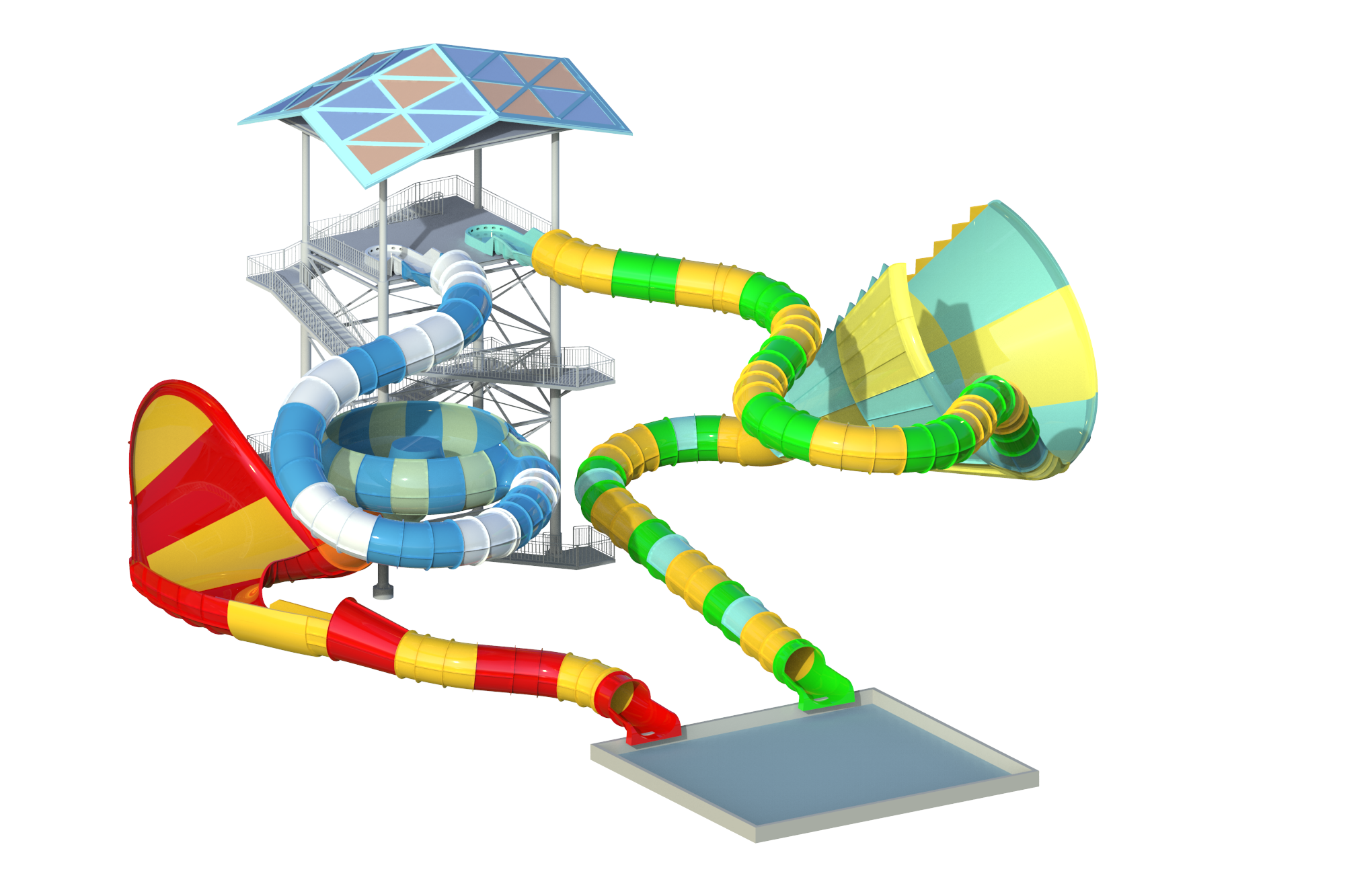
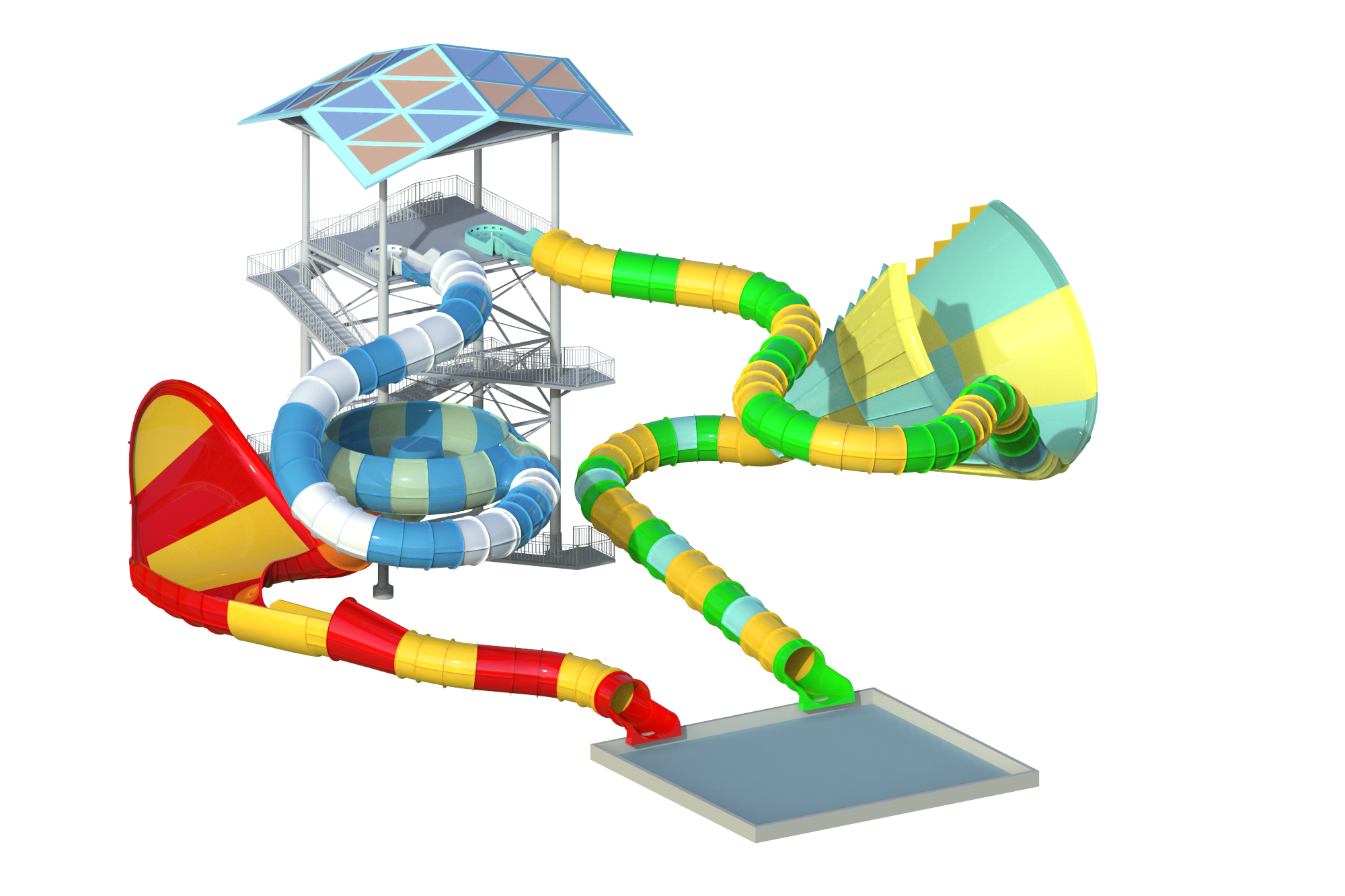
Leading hospitality brands pick certainty over flash. They want rides that survive heavy use, not just photos. This explains why a tested flying slide concept will often beat a pretty render in board meetings. The comparative logic is simple. One path is validated through cycles of load testing, material trials, and proven flow rate models. The other is a gamble. Resorts know the difference. They choose reliability. C’est logique.
Safety versus spectacle: how brands weigh choices
Safety is non-negotiable. Brands measure shear stress at critical turns, check coefficient of friction on ride surfaces, and confirm anchorage points can take peak loads. Resorts such as Typhoon Lagoon at Walt Disney World set the bar — high guest throughput, continuous operation, tight injury records. Those real-world benchmarks shape procurement decisions industry-wide. Spectacle still matters; but the spectacle must ride on a tested backbone. Ride dynamics get tuned to keep excitement without risking downtime.
Performance and maintenance: total cost of ownership matters
Tested designs reveal predictable maintenance cycles. Composite panels wear differently than molded polyethylene. Predictable wear means planned downtime, not surprise closures. Operators track flow rate and surface degradation metrics. That tracking yields a lifecycle forecast managers can budget for. Small choices — liner thickness, fastener type, weld pattern — change service intervals. The brands know this. They prefer systems where spare parts, repair procedures, and tested assembly sequences exist. It reduces risk. And saves money over time — très important when occupancy is tight.
Brand impact and guest experience
Guests notice smooth dispatch, consistent raft behavior, and predictable splash zones. Those are subtle cues, but they build trust. A resort that repeatedly opens new attractions without issues strengthens its reputation. Conversely, one closure after closure creates negative word-of-mouth fast. The tested approach supports consistent throughput. Many operators record queue times, accident rates, and guest satisfaction as KPIs. These metrics feed back into design choices. The result: an attraction that delights and endures.
Operational teardown: what teams inspect before buy-in
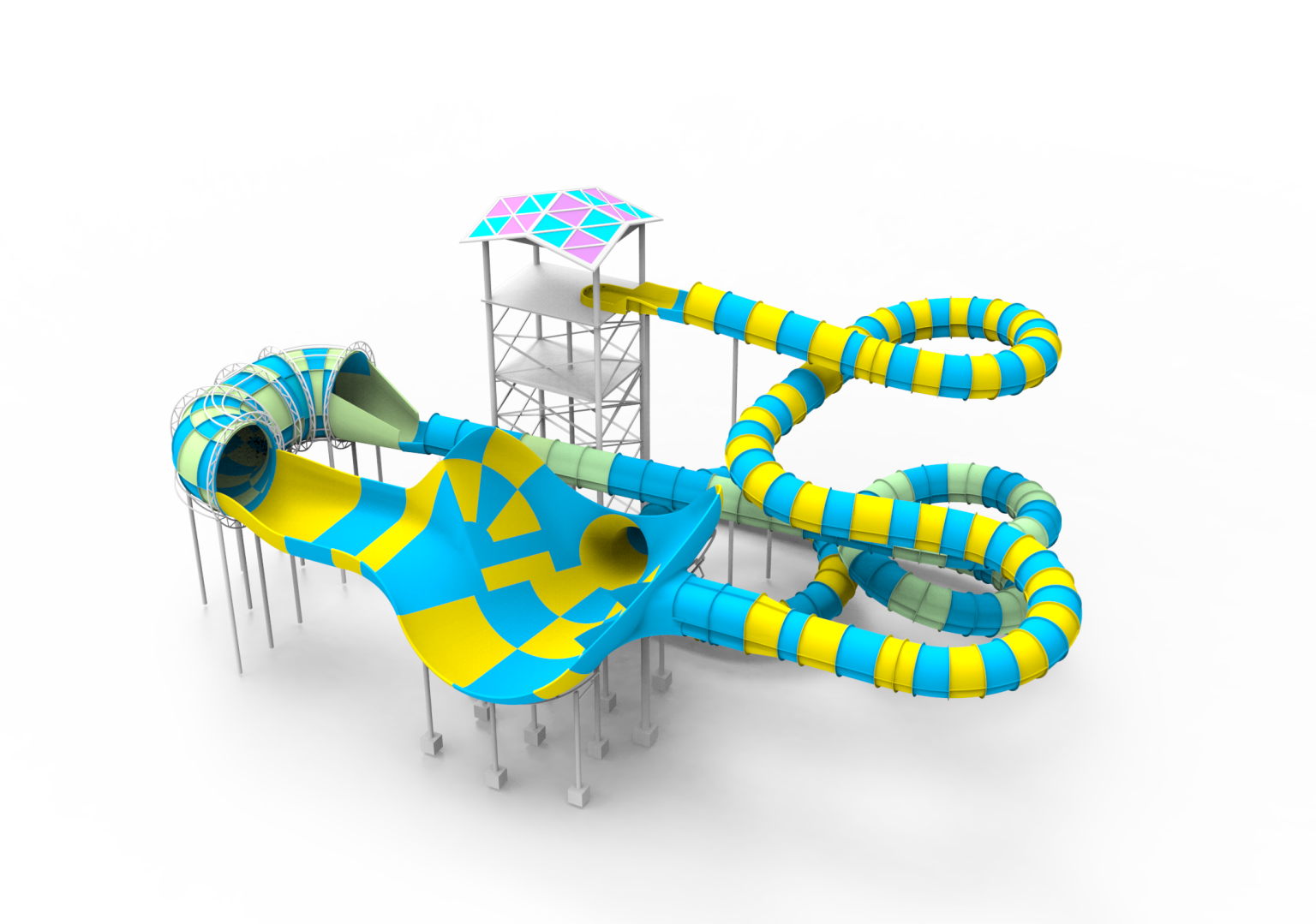
Procurement teams run a mini teardown. They compare test reports, inspect composite laminate joints, review anchorage schematics, and measure ride dynamics proposals against historical data. They also log {main_keyword} and {variation_keyword} into their operational checklists to ensure traceability during commissioning. A well-documented raft program includes assembly drawings, torque specs for bolts, and a parts list for wear items. This is where a model raft water slide with clear service documentation shines. If you want long life, insist on documentation as rigorous as the test bench results.
Common mistakes to avoid
Buyers often pick the cheapest quote without a test matrix. They skip full-scale mock runs. They overlook the vendor’s supply chain for spares. These errors cause extended closures later. Fixes are expensive and reputationally painful. Instead, demand fatigue test reports, full-load cycle counts, and clear maintenance manuals. Short term savings rarely survive first high season.
Advisory: three metrics that decide winners
1) Mean Time Between Service events (MTBS) — realistic figures from full-scale tests, not lab estimates. 2) Throughput consistency — measured in guests per hour under peak conditions; validated by timed dispatch and raft stability reports. 3) Repair lead time — documented parts availability and on-site repair procedures, proven over at least one high-traffic season. Track these closely. They predict whether a ride will be an asset or a liability.
Dalang frames its value around those exact metrics, with clear test data and spare-part planning that fits resort schedules. This is the practical end of the story — where design meets operations. —