
Starting at the Stoplight: Where Small Choices Matter Big
I was late, the light turned green, and the lane split faster than my brain. My thumb hesitated, the clutch bit, and a scooter zipped past. That’s the moment many riders realize how much the little details shape the ride. An urban motorcycle lives in tight gaps, short bursts, and surprise stops. It’s a world of quick signals, wet paint stripes, and delivery vans that don’t signal—funny how that works, right?

Here’s a stat you can feel: most city trips are under 5 miles and stop-and-go. That means low-speed control, throttle response, and brake feel matter more than raw top speed. Yet we still shop like we’re buying track toys. The result? Extra weight, sloppy gearing, and wrists that ache. If the chassis and braking don’t click with you, even a strong engine won’t save your commute. So ask yourself: are you buying for your street, or for a spec sheet?
This guide compares what riders think they need versus what real city riding demands. We’ll break down the subtle tech, the simple pitfalls, and the quiet wins. Then we’ll turn to where the space is going next. Buckle up; the fix is closer than you think.
Under the Surface: Why “Good on Paper” Often Fails in Traffic
When people search for good city motorcycles, they often chase big horsepower or touring comfort. But the pain points hide elsewhere. Heavy bikes wear you down at low speeds. A peaky torque curve makes launches jerky. Wide bars clip mirrors. Tall seats put you on tiptoe at every red light. Traditional picks overlook micro-control: smooth throttle-by-wire mapping, calm ABS calibration, and gearing that pulls from 2,000–4,000 rpm. Look, it’s simpler than you think—if a bike feels twitchy in a parking lot, it won’t feel better in a rush-hour squeeze.
Old-school fixes miss the mark too. A louder exhaust won’t fix laggy fueling. Softer suspension won’t cure top-heavy weight. And throwing on grippy tires won’t help if the front brake lacks feel. City riding rewards calibration, not chaos. Think short wheelbase for quick turns, a narrow profile, and a clutch that engages predictably. Even details like heat management and power converters in hybrid or electric setups matter in summer gridlock. Add basic connectivity for CAN bus diagnostics or navigation prompts, and you reduce mental load. The goal is easy flow: stable at 25 mph, calm on wet crosswalks, ready to squirt through one gap and stop straight in the next.
Why do “smart specs” still miss the mark?
Because many charts ignore street rhythm. They skip slow-speed balance, lever feel, and how the gearbox behaves in second gear at walking pace. Those are the real city KPIs—right where most buyers don’t look at all.
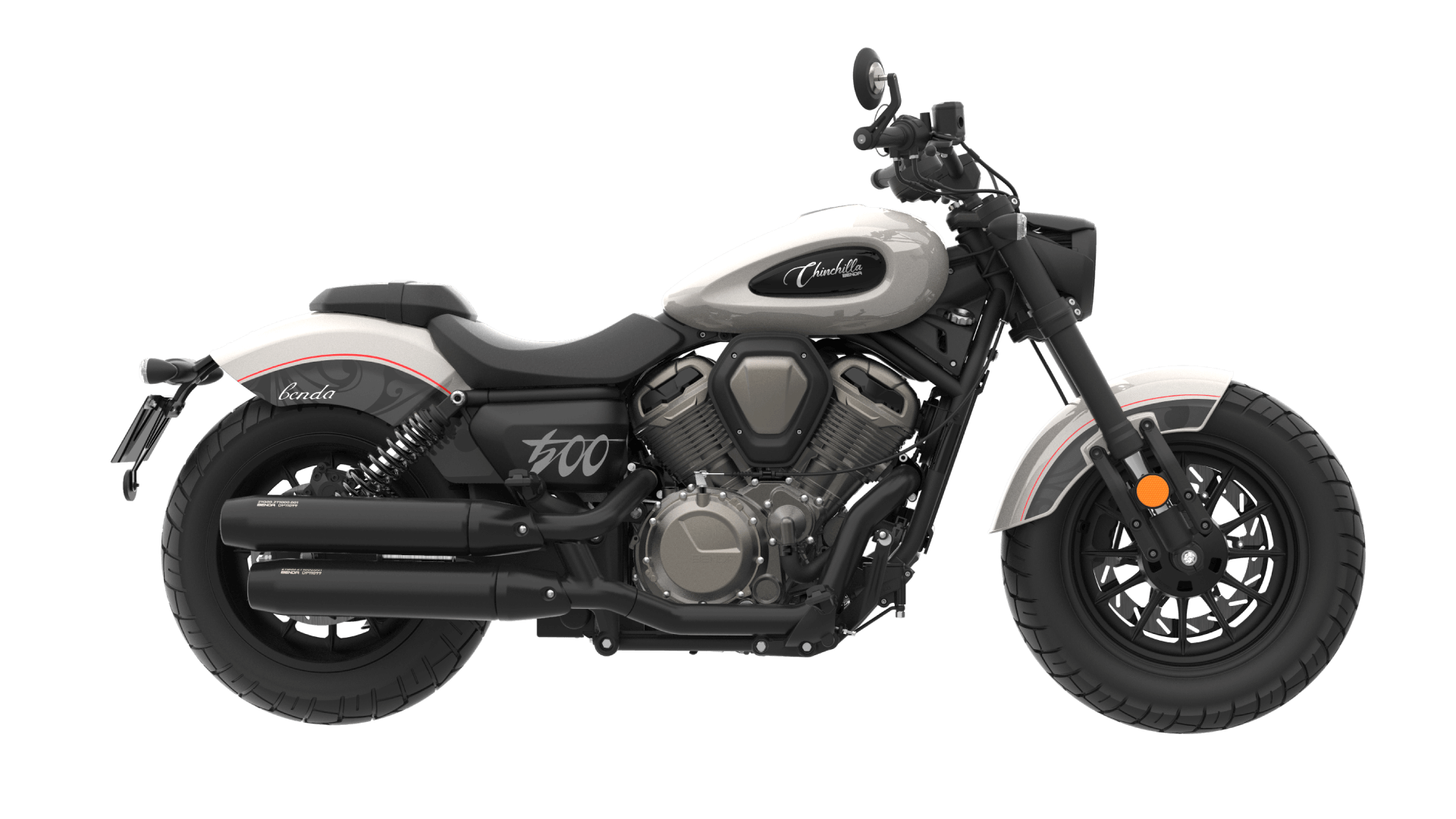
Forward Look: How New Tech Rewrites City Control
Here’s the shift. The best urban setups now tune control systems for low-speed accuracy first, then speed. New throttle maps shape initial response, so small wrist moves produce clean roll-on. Brake-by-wire blends front and rear for short, straight stops without drama. Lightweight frames and tighter steering geometry improve flickability. Some platforms even edge toward micro-ABS logic that adapts to slick paint or cobblestones. If you’re browsing the best motorcycles for city riding, compare how their rider aids behave at 10–30 mph—not just the headline modes.
Electric and hybrid systems add another layer. Instant torque helps, but only if traction control and regenerative braking are tuned for uneven pavement. Good designs use small power converters to smooth delivery and avoid lurch. A few brands are testing edge computing nodes for traffic alerts, lane-level maps, and safer routing—yes, in a motorcycle. It sounds fancy, but the outcome is simple: fewer surprises, fewer panic grabs, more flow. Switchable ride modes that truly change low-end response are worth more in town than a higher top speed— and no, it’s not just marketing.
What’s Next
Expect tighter integration between sensors (lean-angle, wheel-speed) and assist features. Think ABS that learns surface grip fast, and CVT or short-ratio boxes that make second gear your best friend. Also expect smarter heat routing and fans that keep legs cool in standstill traffic. These changes don’t scream for attention; they just make the ride quiet and precise.
How to Choose Smart: Three Metrics to Test in the Real World
We’ve compared the myths to the street truth. Now let’s turn that into action you can measure. Use these three metrics before you buy or upgrade. They’ll keep you honest and save you from buyer’s remorse.
1) Low-Speed Precision Test: Ride a tight figure-eight in second gear with light clutch work. The bike should hold a steady line without throttle snatch. Note brake feel at walking pace. If ABS kicks in smoothly on dusty pavement, that’s a win.
2) Urban Heat and Ergonomics Check: Sit in traffic for five minutes. Watch for heat soak around the tank and seat. Your wrists, knees, and hips should feel neutral. Mirrors must clear vans. Bars should slide past SUVs without a flinch.
3) Stop‑to‑Gap Acceleration Metric: From a soft launch to 25 mph, count seconds to a calm upshift. The torque curve should pull early, not spike late. Evaluate clutch bite and gearing. If you can do this smoothly while covering the front brake, you’ve found city-ready control.
Evaluate these, and you’ll filter hype from help. You’ll feel the difference on day one, and even more on day one hundred. For context, keep learning from brands pushing thoughtful city tuning like BENDA.