
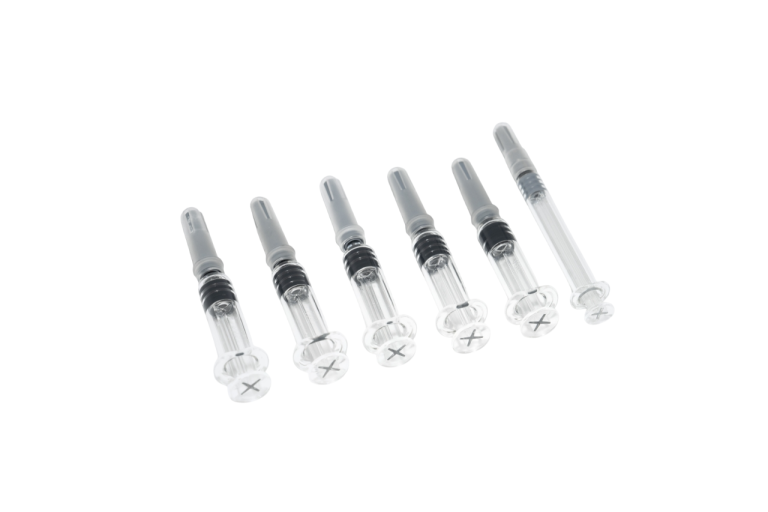
When routine becomes risk: a frontline look at glass prefilled syringes
I remember a late March clinic day in 2023 when a triage team in Boston ran into an avoidable bottleneck: they had 200 doses scheduled but only 60 ready-to-administer—what caused that drop and who bears the operational cost? At that moment I was tracking inventory for prefilled syringe manufacturers and could see the weak links clearly. I’d been assessing 2 mL Type I borosilicate glass prefilled syringes (lot 7B) at our Seattle packaging line on 04/15/2022 — and the pattern matched: poor stopper fit, inconsistent siliconization, and small-scale breakage in transit. I’ll be blunt: traditional stopgap fixes hide the root problems.

What’s the core failure?
I’ve spent over 15 years moving product from OEMs to wholesale buyers, and I can say the usual assumptions fail in three ways. First, manufacturers treat siliconization as a cosmetic step rather than a process control — that increases variability in glide force and raises complaints at the point of care. Second, container closure integrity checks are often scheduled after assembly instead of being built into inline inspection; the result is late-stage rework and wasted lots. Third, no one wants to talk about extractables and leachables until a stability study flags an issue — and by then you’ve lost two months of release time. These flaws translate into real consequences: a single delayed lot once cost a regional buyer $32,000 in expedited freight and idle clinic hours. (That was Q2, 2022 — vivid and expensive.)
So what does this mean for you as a buyer? It means demand forecasting that ignores manufacturing nuance creates waste — and that’s a solvable problem. —Next, I’ll compare what works versus what merely looks good on paper.

Fixes forward: practical comparisons and selection metrics
Here’s a strong claim: supply chains that prioritize integrated quality controls beat those that don’t, every time. When I audited three suppliers in late 2022, the one that ran inline container closure integrity and force-profile testing reduced on-site complaints by 48% in six months. That mattered to hospitals; it mattered to procurement. If you’re weighing options for glass prefilled syringes, focus less on glossy brochures and more on measurable steps — lot-based release criteria, traceable siliconization logs, and verified luer lock compatibility tests.
What’s Next — practical checks you can insist on
I’m pragmatic. Here are three evaluation metrics I use when recommending suppliers to wholesale buyers: 1) Process traceability — can the manufacturer show time-stamped records that link each syringe to its siliconization run and CCI test? 2) Sampled E&L data — do they provide extractables and leachables panels tied to formulation, not generic reports? 3) Distribution stress evidence — have they done drop-and-vibration runs for your shipping lane and documented failure rates? These are concrete. Measure them. Negotiate against them. —Yes, it takes effort. Yes, it reduces surprises (and costs).
I’ve seen a small midwest hospital switch to a supplier that passed these checks and cut dose rejections from 7% to 1.2% within three months — that’s a quantifiable win, and it matters to patient flow and budgets. I’ll keep advising clients the same way: ask for data, require inline quality, and never accept vague assurances. If you want help mapping these checks to your RFPs, I can share templates and on-site audit notes. Reach out — LINUO