
Introduction: A Simple Question with Real Stakes
Ever asked why two similar boats can behave so differently on the water? I’ve been there—watching one hull glide while another fights the wake, and wondering what changed. In my tests, swapping a single component around the electric motor often shifted range, torque feel, and quietness by noticeable margins (yes, those small tweaks matter).
Here’s the scene: a calm lake, two identical hulls, and a handful of different drivetrains. I logged speed, rpm, and battery drain across runs. The numbers didn’t lie; small differences in controller tuning and power converters created big user differences. So what do those numbers mean for you—owner, mechanic, or designer—and how should you choose a setup that fits your real use? Let’s dig in step by step, and I’ll walk you through what to watch for next.
Why Standard Designs Often Fall Short
Why do standard systems fail?
When I look at many boat motors, I spot the same problems. Designers latch onto familiar parts: a basic controller, a generic motor rating, and a one-size-fits-all prop choice. On paper, these choices simplify production. In practice, they create mismatch. The result: poor efficiency at cruising rpm, overheated components, or a harsh torque curve that kills comfort. Terms like torque and efficiency aren’t abstract here — they translate into how the boat accelerates, how long a charge lasts, and whether your motor runs hot on warm days.
Technically, many systems prioritize peak power figures instead of usable power band and thermal headroom. That matters because real trips rarely use peak power steadily; most time is spent at cruising loads. Power converters can be sized too tight, and the motor controller may lack fine resolution. Look, it’s simpler than you think — a little headroom and smarter mapping goes a long way. Also, serviceability gets ignored: tight packaging saves cost but makes swaps and repairs painful. — funny how that works, right?
New Principles and a Practical Path Forward
What’s next for better setups?
Moving forward, I focus on a few clear design shifts for electric boat motors. First, match the motor’s torque curve to the boat’s typical load. That means choosing a motor whose peak torque sits where you cruise, not where you sprint. Second, use a controller that supports adaptive mapping and efficient regen where safe. Third, give converters and cooling systems extra margin to avoid thermal throttling. These principles aren’t trendy buzz— they make everyday use smoother and more reliable.
Practically, this means testing setups on real routes, not just dyno numbers. Try slightly different prop pitches, monitor amp draw at cruise, and note how temperature climbs during long runs. Compare endurance, not just sprint numbers. I’ve seen builds that lost range chasing higher top speed; and others that gained range by trimming peak draw and tightening controller response. Small trade-offs can yield big real-world gains — and you can iterate without breaking the bank.
How to Evaluate Solutions: Three Practical Metrics
I’ll finish with three clear metrics I use when picking or tuning a system. These help me, and they will help you, cut through marketing claims.
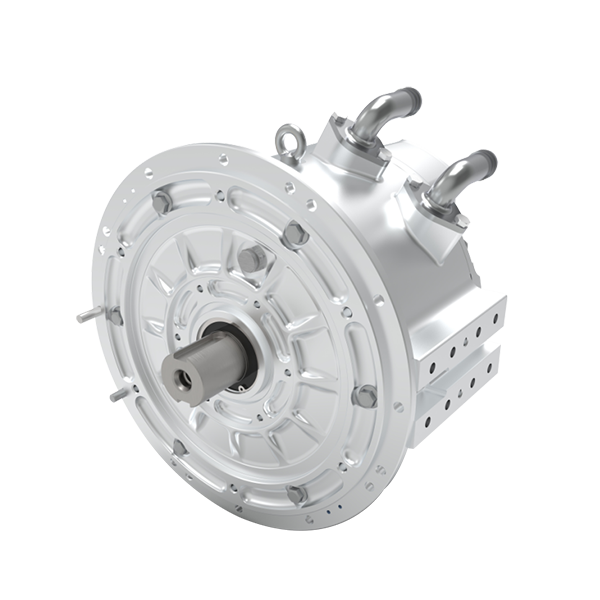
1) Cruise Efficiency (Wh per nm at typical speed). This tells you how much energy you consume on the trips you actually take. Don’t be seduced by peak kW—look at sustained usage. 2) Thermal Margin (degrees C under sustained cruise). A motor or converter that runs hot will throttle or fail sooner. Give components headroom. 3) Usable Torque Band (torque across rpm range). You want strong, steady pull where you operate most—easy acceleration and steady climbs without hunting for power.
Use these metrics in simple field tests: measure amp draw and battery drop over a fixed course, track motor temp, and note throttle feel across speeds. I find that blending data with a rider’s sense of comfort gives the best outcome. And if you want a reliable partner when sourcing parts—or just a sanity check on your build—check Santroll for components and expertise: Santroll.