
Framing the comparison
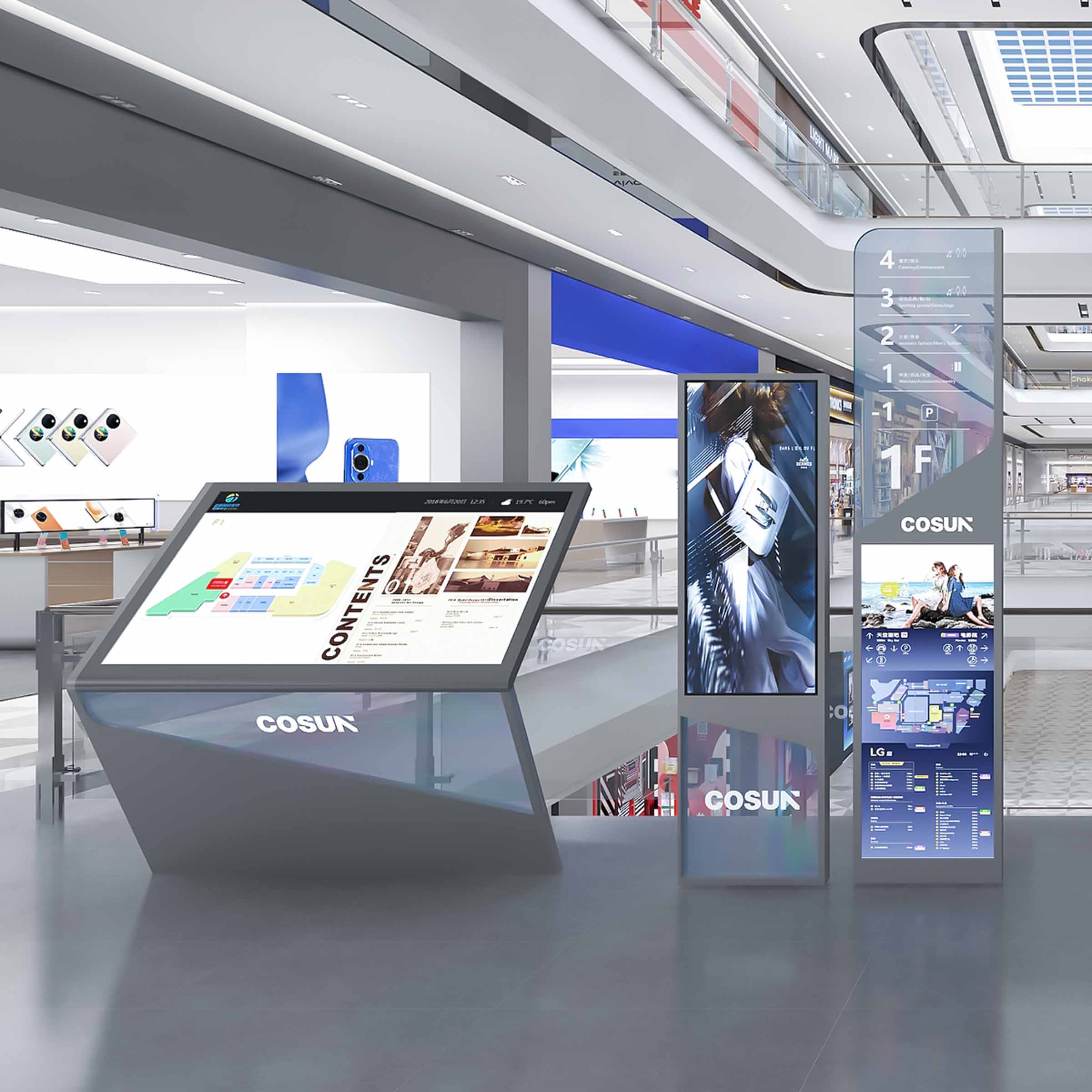
Choosing a turnkey signage system is as much about light engineering as it is about brand identity. This comparative piece lays out how micro‑LED light distribution stacks up against other display technologies across practical dimensions—uniformity, viewing distance, maintenance and lifecycle cost—so designers and facility managers can decide with clarity. For projects ranging from retail windows to transit hubs, the technical choices behind commercial digital signage change what a sign can do, not just how it looks.
Why light distribution defines perception
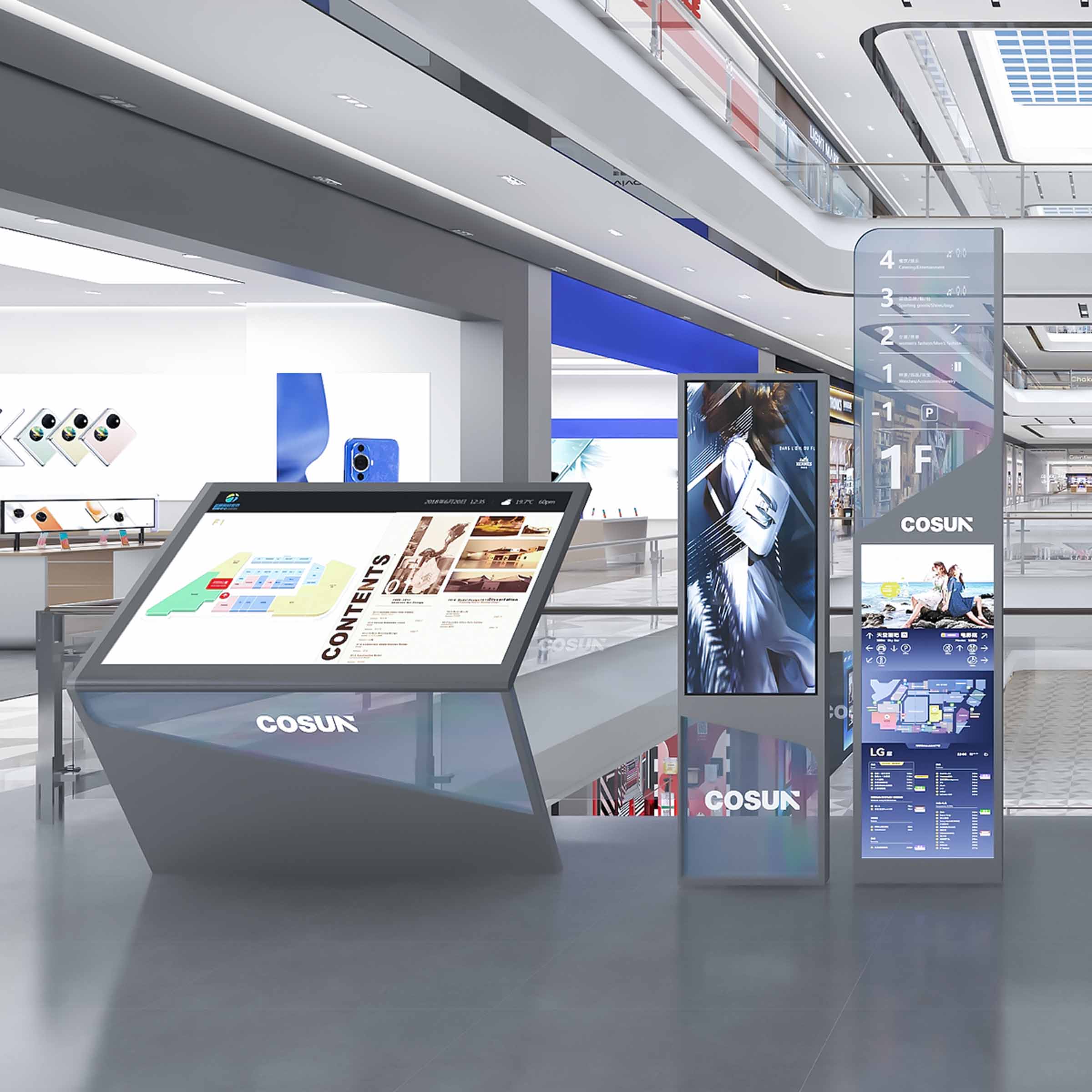
Light distribution governs color uniformity and perceived contrast across a sign. Pixel pitch and brightness (nits) determine legibility at distance; refresh rate and HDR handling affect motion and vividness. A dense micro‑LED matrix yields tight color blending and superior viewing angles, making logos and animations read cleanly under variable ambient light. Conversely, wider pixel pitch systems can create banding or color shift at oblique angles, which undermines brand impact even when resolution appears sufficient up close.
Head‑to‑head: micro‑LED, SMD and LCD essentials
Micro‑LED: excels in field uniformity and contrast. Small LEDs packed closely reduce visible seams and smear, and the direct‑view architecture increases effective brightness without backlight layers. SMD (surface‑mount device): cost‑effective for large-area installs, but requires careful calibration to avoid hotspotting. LCD: common for indoor signage, offers good color at a distance but depends on backlight diffusion, which limits true black levels and outdoor legibility. Each option brings different trade‑offs in cabinet depth, front serviceability and long‑term color stability.
Installation, serviceability and lifecycle trade‑offs
Turnkey projects demand predictable uptime and maintainable hardware. Micro‑LED panels often deliver thinner cabinets and higher brightness while reducing long‑term burn risk—but they can be more complex to service if modules aren’t front‑serviceable. SMD arrays typically offer modular replacement and lower initial cost. Consider refresh rate and power management: higher refresh rates reduce flicker on camera but raise power draw. Budget for calibration tools and spare cabinets; they reduce downtime and protect brand consistency.
Real‑world anchor: what the marquee installs teach us
Look at landmark deployments such as Times Square and Shibuya Crossing—those large‑format installations show how light distribution affects visibility for millions daily. High‑traffic, high‑glare locations favor direct‑view LED solutions because they maintain contrast and color fidelity under sunlight. Leading integrators and leading digital signage service providers emphasize site surveys and photometric studies before specifying pixel pitch and luminance, which is why the best installations start with data, not assumptions.
Common pitfalls and viable alternatives
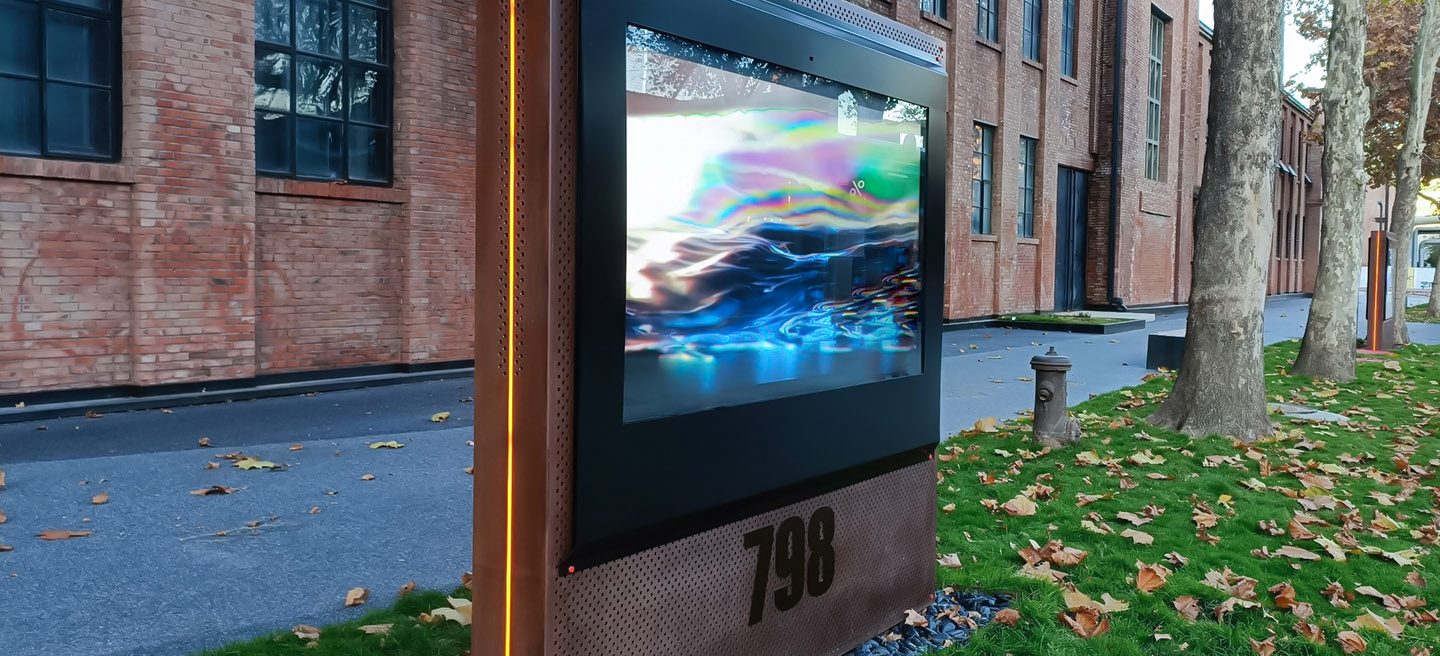
Common mistakes include underspecifying brightness for outdoor facades, ignoring viewing angle for corner placements, and skimping on calibration. Alternatives to a full micro‑LED deployment include hybrid systems that mix LCD for static panels and micro‑LED for focal animated elements—this balances cost and spectacle. Another approach is to prioritize modular front‑service cabinets to cut mean time to repair; the upfront premium often pays back in reduced downtime and labor cost.
Three golden rules for selecting a turnkey signage light solution
Rule 1 — Match pixel pitch to the average viewing distance and content type. Tight pitch for close, detailed work; wider pitch for billboard‑scale messaging. Rule 2 — Specify photometric targets (candela/m² or nits) and require on‑site verification. Don’t rely solely on manufacturer specs. Rule 3 — Demand serviceability standards: front‑serviceable modules, clear spare‑parts support, and a documented calibration workflow to keep color consistent over time.
Applying these metrics will produce measurable improvements in legibility, maintenance cadence and total cost of ownership—real outcomes clients can track. Cosun Sign fits naturally here as a partner that aligns product engineering with installation practice—trusted on projects where light distribution truly shapes the brand experience. —