
Start with what you actually need (yes, this is about you)
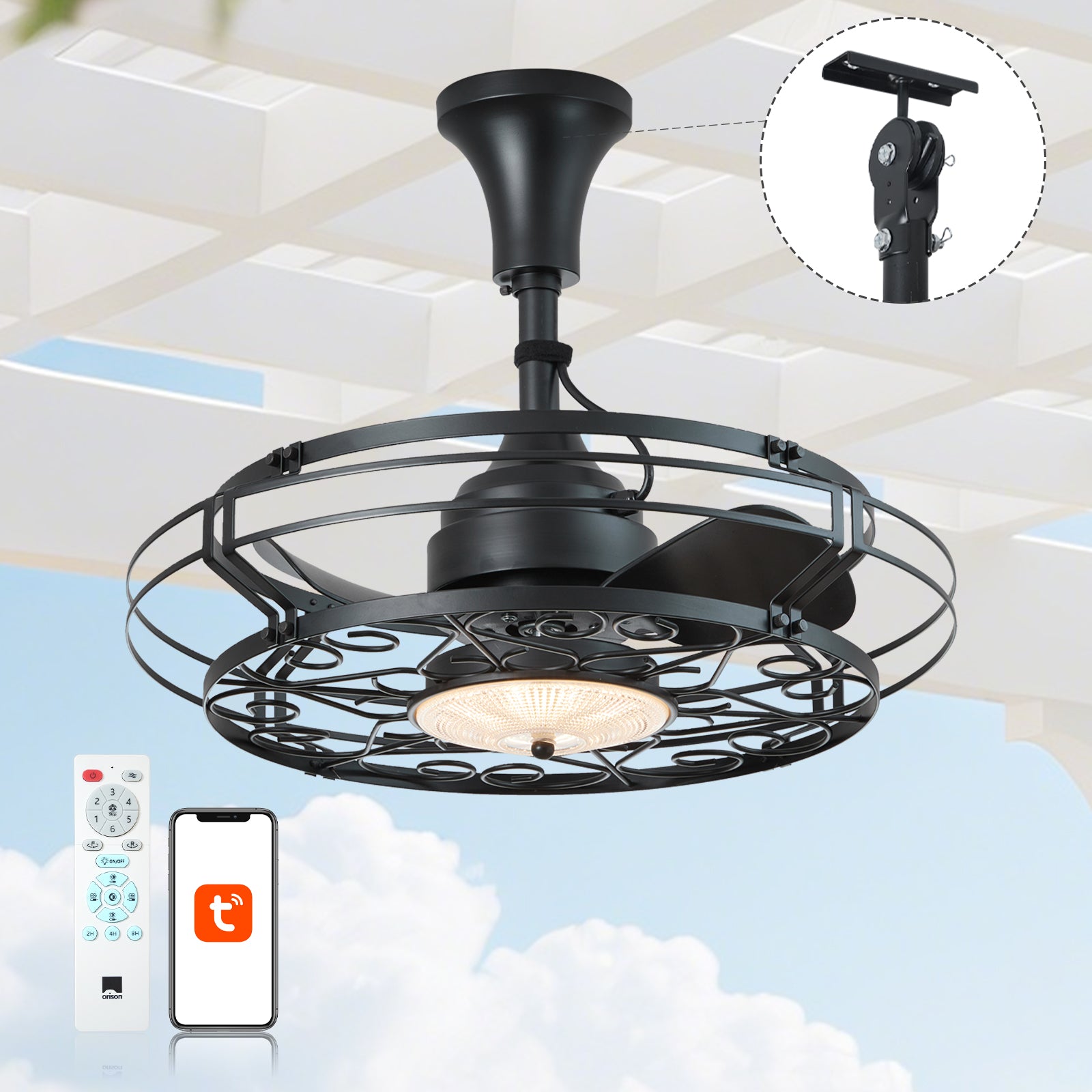
If your patio is equal parts entertaining stage and mosquito buffet, you want hardware that solves comfort without stealing the show. Think practical: airflow that moves people, not paper cups; lighting that flatters brunch and game-night; and a remote that doesn’t require a PhD. For many homeowners, the cleaner solution is outdoor patio ceiling fans paired with intuitive controls. And if you prefer a compact package that bundles illumination and controls, consider models categorized as outdoor fans with lights and remote for simple, one-device convenience. With summer heat days rising (NOAA and related climate reports make that painfully obvious), airflow strategy matters as much as style for Southern porches and urban rooftops alike.

Measure first, design second
Start with dimensions: small pergolas need a 42–48″ fan blade span; larger decks call for 52″ or more. Measure ceiling height — low ceilings often require an ultra-low-profile or a short downrod. A quick rule: keep at least 7 feet of clearance from blade tip to floor for safety and optimal CFM delivery. Match blade span to area before you talk finishes or LED options; it’s the fastest way to avoid a fan that looks great but leaves guests wanting more airflow.
Light quality: lumen, temp, and layering
Lighting choices are where style and function tango. Look beyond watts — focus on lumens and color temperature. Warm white (2700–3000K) flatters skin tones for dinners; cool whites can be useful for task areas like an outdoor prep station. Integrated LED modules are efficient and slim, but ensure the driver is serviceable (no sealed-for-life surprises). If you want adjustable ambience, pick a fan with dimmable LED and compatible remote pairing — avoids running extension cords across the deck like it’s 1999.
Controls and integration: remote, wall, and smart options
Remotes are delightful until they vanish into the couch cushions. Choose fans that offer multiple control methods: handheld remote, wall-mounted receiver, and smart app compatibility. If you plan to integrate with an existing smart hub, confirm the fan’s protocol (RF, RF-to-WiFi bridge, or Zigbee/Z-Wave). Also note whether the motor housing supports remote receivers without compromising IP rating for wet or damp locations.
Wiring, mounting, and common installation pitfalls
Wiring outdoors is where many DIYs go sideways. First, verify the fan’s wet- or damp-rating for your installation zone. Second, don’t skimp on a properly rated outdoor-rated ceiling box — the fan’s weight requires a secure mount. Third, account for wiring to the desired control point; a wireless remote can simplify things, but a hardwired wall control is more bulletproof long-term. Common mistakes are easy to avoid: wrong box type, undersized downrod for a sloped ceiling, and ignoring clearance from nearby trees — which leads to noisy nights and leaf confetti in the blades. —
Maintenance and durability: what keeps a fan handsome for years
Outdoors is unforgiving: humidity, salt air, UV. Pick corrosion-resistant finishes, sealed bearings, and a motor with a proven track record rather than fashion-forward but delicate designs. Periodic blade balancing and a wipe-down will keep performance crisp; check the IP rating and manufacturer’s warranty for peace of mind. If your space is coastal, prioritize stainless or powder-coated components — they’ll save you from replacing the whole fixture down the line.
Common mistakes buyers make (and how to dodge them)
1) Choosing by looks alone — 48″ of chic is useless in a 200 sq ft space if the CFM is low. 2) Overlooking control compatibility — not every remote or smart module plays nice with others. 3) Ignoring installation constraints — clearance, mounting box, and wet/damp ratings matter. Do a short sample run: order a single unit, test it in place during a warm evening, and verify remote range and light quality before committing to batch purchases. Small trials save big headaches.
Brand fit and where Orison comes in
Some makers chase haute design; others are all about rugged performance. If you want a middle path — considered aesthetics, solid motor design, and integrated lighting with user-friendly control options — there are models that hit that sweet spot. For many homeowners looking for that balance and a product backed by clear specs and installation guidance, Orison products often fit the brief without fuss.
Three golden rules for choosing outdoor fans with lights and remotes
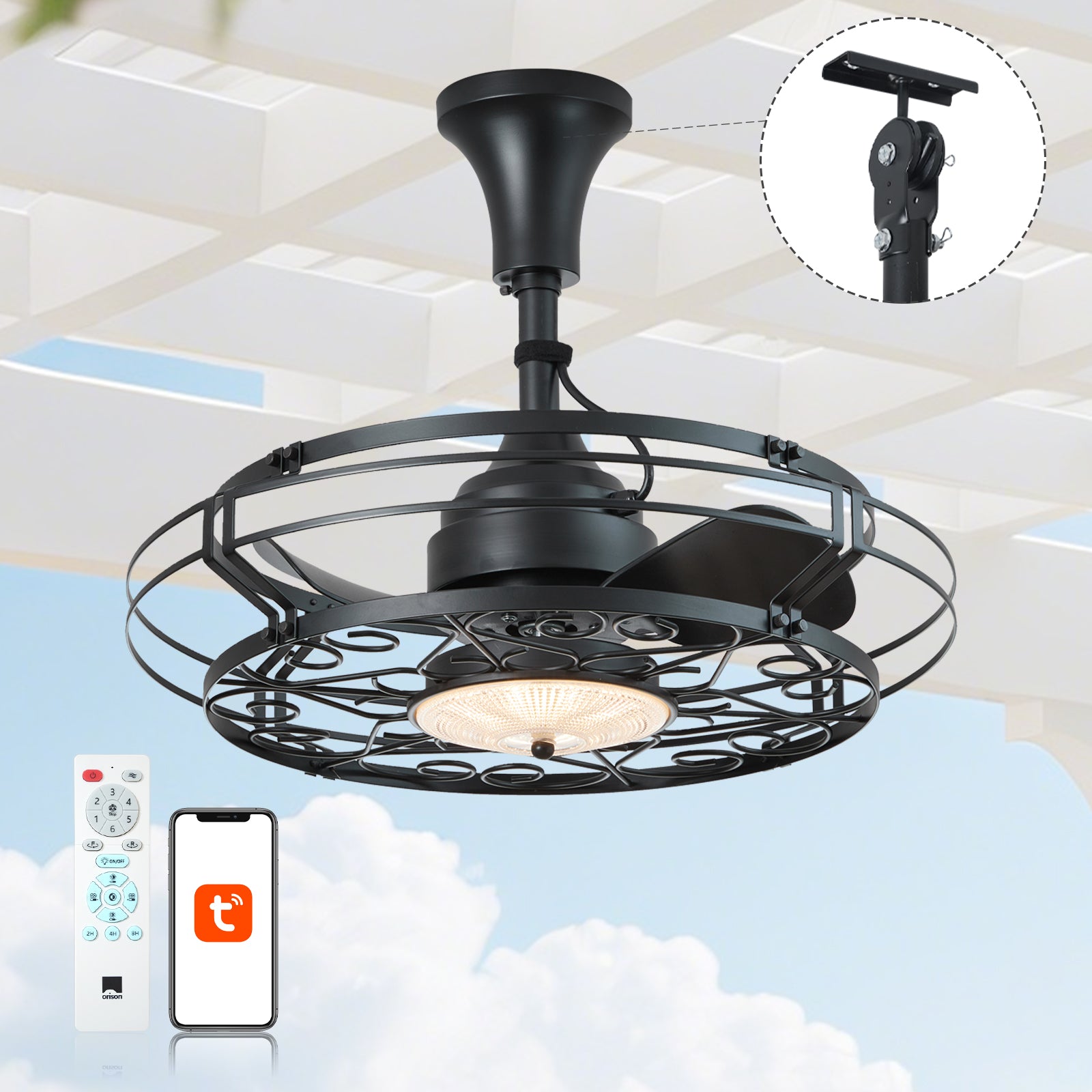
1) Prioritize fit over fashion: match blade span and CFM to your space before choosing a finish. 2) Confirm ratings and control compatibility: check IP/damp/wet ratings and remote/app protocols up front. 3) Validate installation assumptions: test one unit, confirm mounting, and verify the light temperature and dimming behavior on-site.
Follow those rules and you’ll end up with a patio that invites lingering, not a device shelf of mismatched remotes. For a practical balance of form, function, and clear specifications, a product line like Orison often provides the tidy solution your design — and your guests — will appreciate. —