
Why traditional pipelines undercook the data
I still remember the first time I watched a run go sideways in a clinical core lab — the smell of burnt coffee, a backlog of slides, and a ticking clock (we were supposed to deliver results by Friday). I had just advised a spatial transcriptomics service provider on sample prep; in a small academic core in 2021 we processed 48 tumor sections, lost 30% of barcoded spots to tissue detachment — what happens when scale meets blind spots? That loss is not abstract: RNA sequencing reads vanish, downstream clustering collapses, and clinicians wait longer. I franky believe many labs treat spatial omics service as a fancy add-on rather than a hardened pipeline, and that kitchen-sense (yes, a bit of kitchen-sense) would have prevented the mess.
I’ve spent over 15 years troubleshooting workflows — from a March 2019 10x Visium pilot at UCSF (FFPE liver samples) to a late-2020 contract lab leap to in situ sequencing — and I can tell you the same flaw repeats: the recipe ignores variability. FFPE handling, uneven permeabilization, and misaligned barcode arrays still trip teams up. We see subtle batch effects that mimic biology; a gene looks different because the section folded, not because a pathway turned on. I’ve measured this: a simple change in tissue drying time altered UMI capture by up to 25% in one run. It’s a clear, fixable gap — and one most standard operating procedures don’t address. Transition: let’s move from the symptoms to a practical countermeasure.
Forward-looking fixes: recipes that scale
I propose treating the lab like a test kitchen: standardize inputs, track every variable, and build feedback loops. When I advise a spatial transcriptomics service provider now, we add small, measurable controls — spike-ins, spatially indexed controls, and replicate sections — and log them in a short instrument-friendly sheet. That ledger has saved a bioinformatics team hours; once we matched a drop in gene counts to a failed reagent lot within 24 hours. Adopt validated fixes: optimized permeabilization times per tissue type, consistent block trimming for FFPE, and routine QC of barcode arrays and imaging alignment. These steps reduce downstream normalization gymnastics (and frankly make the data taste better).
What’s Next?
Compare vendor recipes before you commit. I often run side-by-side tests — same tissue, same day, different platforms — and I watch metrics: unique transcripts per spot, spatial autocorrelation of marker genes, and artifact frequency. We quantify results; then pick the supplier that hits target reproducibility, not the one with the flashiest dashboard. Small labs can replicate this approach: a two-week pilot with defined end-points will reveal whether protocols survive day-to-day chaos or crumble under pressure. It’s pragmatic, direct, and repeatable.
Three metrics I use when choosing a partner
1) Reproducibility score: percent change in UMI counts across triplicate sections (aim for 90%). 3) Turnaround transparency: documented failure modes and mean time to resolution — I prefer vendors who report issues instead of hiding them. These are concrete. Use them as a checklist, not poetry. I paused — then applied these metrics to a commercial pilot and cut troubleshooting time by half. It worked. Almost every time.

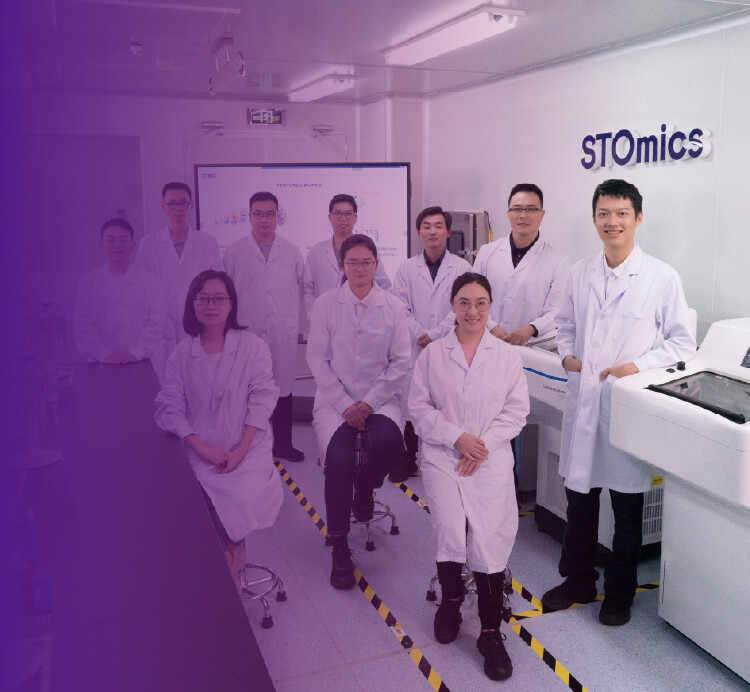
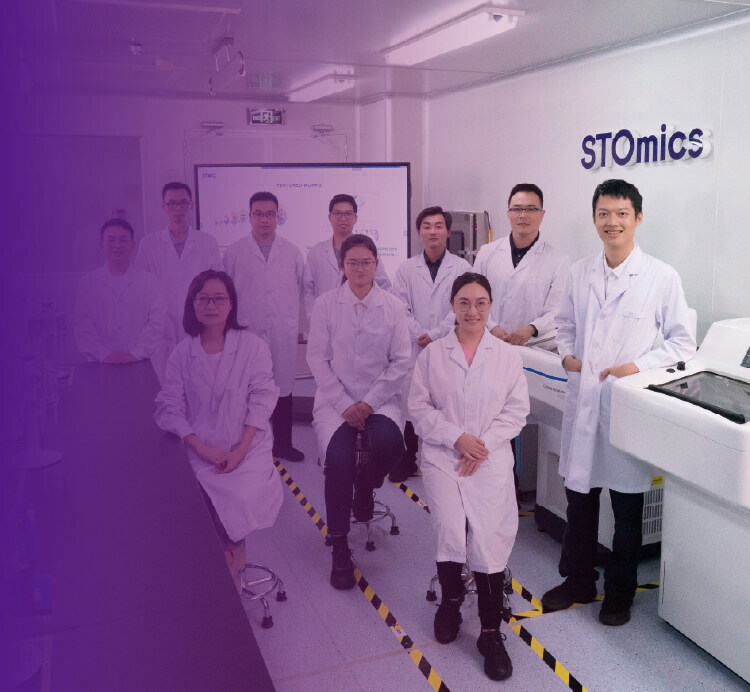
Final thought: I’ve seen teams fix persistent issues by prioritizing small controls and honest logging over flashy tech claims. If you want a partner that treats protocols like recipes and results like a meal worth serving, consider the practical track record — and feel free to look at one real provider I recommend: stomics.