

Executive summary and scope
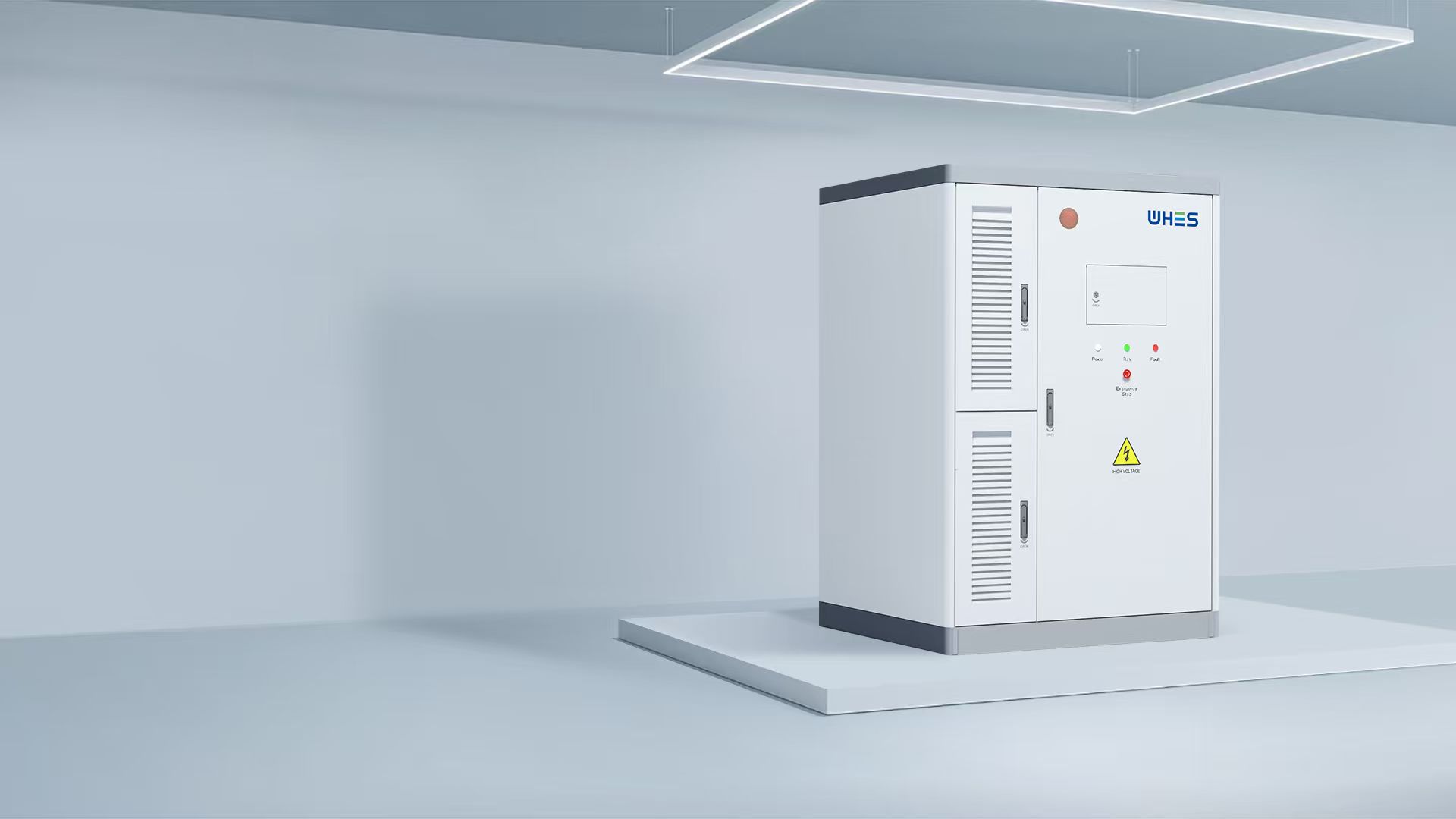
This analysis presents empirical indicators and procurement-relevant metrics concerning lithium iron phosphate (LFP) electrochemistry and the role of factory-direct three-phase hybrid inverters in attenuating transient, high-frequency—so-called photonic-level—grid perturbations. Empirical observation of grid stress events (notably the February 2021 Texas grid emergency, which produced multi-million-customer outages) underscores the import of energy storage systems that combine robust cell chemistry, coordinated battery management, and inverter controls. For turnkey deployments the integrated option often manifests as an all in one energy storage system, wherein factory calibration and matched firmware materially reduce commissioning risk.
Quantitative indicators of LFP stability
From a technical vantage, LFP chemistry is characterized by conservative electrochemical potential, lower thermal runaway propensity, and industry-reported cycle lifetimes measured in the thousands under defined depth-of-discharge profiles. Relevant parameters for due diligence include cycle life at specified depth of discharge (DOD), capacity retention expressed as percent remaining after N cycles, and thermal margin—the delta between nominal operating temperature and onset of exothermic behavior. Ancillary terms of import are state of charge (SoC) operating window and cell impedance growth over time; these govern the sizing and control law requirements of the battery management system (BMS) that will interface with the inverter.
Mechanisms: how three-phase hybrid inverters address photonic-level disturbances
Photonic-level disturbances—here defined as rapid, localized voltage and current anomalies with spectral content extending into higher harmonics—require fast, deterministic inverter response. Three-phase hybrid inverters operating in grid-forming mode can supply immediate phase reference and voltage regulation, reduce total harmonic distortion (THD) via active modulation, and provide dynamic reactive power support to arrest voltage collapse. The salient mechanisms are: (i) inertia emulation and synthetic frequency response; (ii) coordinated active power ramping to damp fast transients; and (iii) harmonic compensation through real-time pulse-width modulation and stacked filter topologies. The net effect, when implemented with a matched BMS/inverter stack, is materially lower system-level susceptibility to high-frequency perturbations.
Factory-direct integration: benefits and legal-technical rationale
Factory-direct procurement delivers two discrete advantages of contractual and technical significance. Contractually, a single-sourced system reduces interface liability and simplifies warranty attribution. Technically, factory calibration aligns inverter control gains to cell impedance characteristics and SoC-dependent power limits, thereby reducing the need for field tuning and minimizing commissioning nonconformances. These factors converge to reduce time-to-service and measurement uncertainty in acceptance testing—outcomes that have quantifiable value in accelerated grid-interconnect scenarios.
Real-world anchor: deployment contexts and observed outcomes
During peak-load and cold-weather stress episodes (e.g., ERCOT, Feb 2021), installations that combined robust chemistry with tightly integrated inverter controls exhibited superior ride-through and local voltage support behavior in post-event analyses. Operators reported fewer unplanned disconnects where factory-tuned inverter-BMS coordination was present. Accordingly, procurement specifications increasingly reference integrated, pre-tested assemblies—commonly marketed as an all in one power system—to ensure reproducible field performance under stress conditions.
Test protocols and objective metrics for specification
Specifiers should mandate lab-verified metrics tied to operational risk. Core test protocols include: (a) THD characterization under balanced and unbalanced loading; (b) dynamic ramp-rate testing (kW/ms) to measure fast-power response; (c) BMS-to-inverter communication latency and packet loss under simulated grid noise; and (d) cycle-life verification at representative DODs. Additional acceptance criteria should include firmware version freeze during commissioning and reproducible results from factory witness tests. These objective metrics form the basis for enforceable contract clauses and performance guarantees.
Common implementation pitfalls—and mitigations
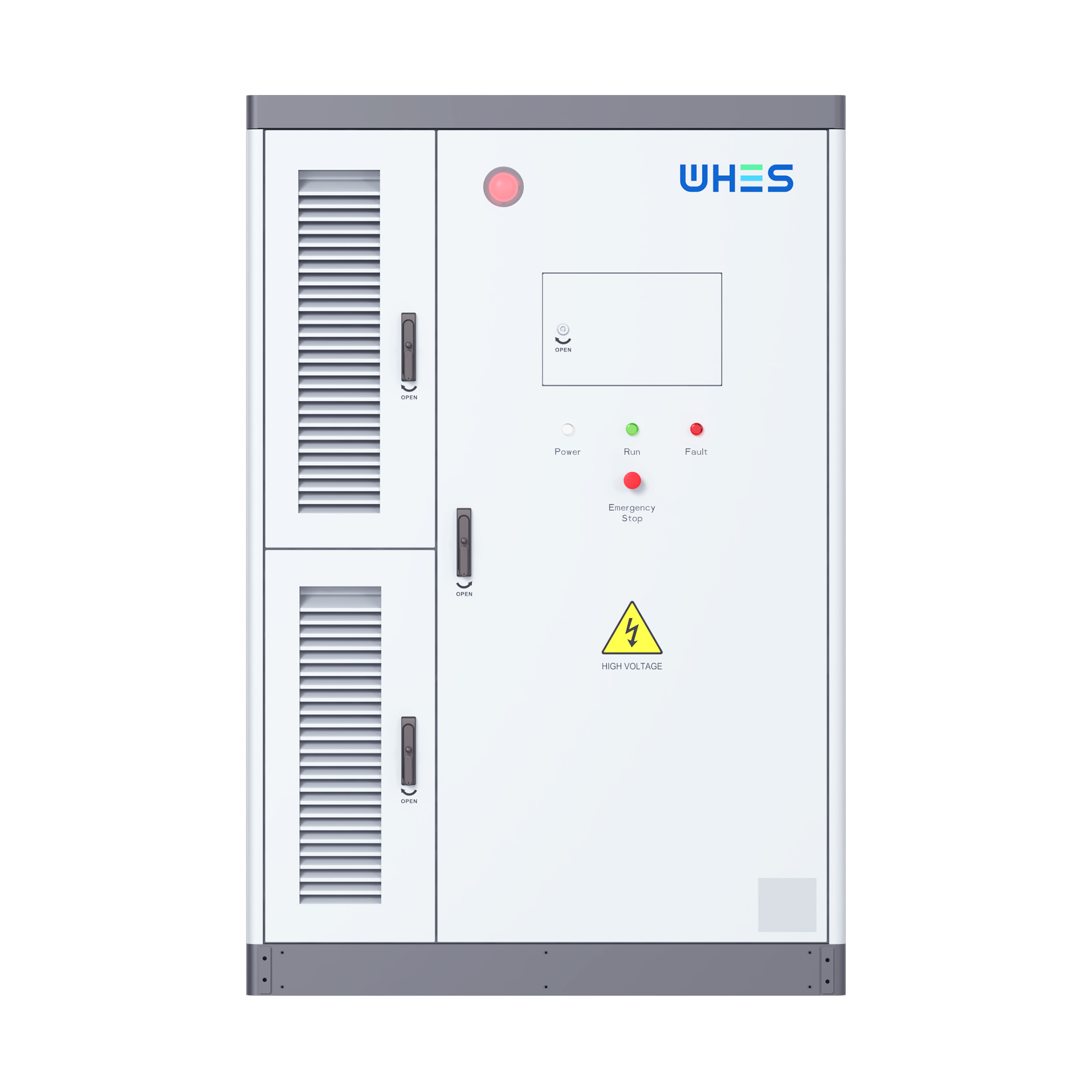
Practitioner experience reveals recurrent issues: insufficient BMS/inverter interface specification, mismatch between inverter control modes and utility interconnection requirements, and inadequate thermal management assumptions. A frequent operational error is to specify peak power without concurrent SoC and DOD limits—this omission yields protective derating in situ. The mitigation path is procedural: require factory integration testing, include a defined acceptance test plan, and stipulate corrective action timeframes in the procurement contract—these steps reduce ambiguity and liability exposure.
Three golden rules for procurement and deployment
1) Insist on integrated BMS–inverter validation under the vendor’s factory witness program; procure only systems with documented latency and THD performance. 2) Require lifecycle-based warranty terms tied to energy throughput (kWh cycled) and stated retention curves rather than calendar alone. 3) Specify grid-forming capability and dynamic ramp rates in measurable units (kW/ms), and verify interoperability with distribution protection schemes during factory acceptance testing.
Concluding synthesis and commercial alignment
In sum, the empirical case favors LFP-equipped systems when paired with factory-direct, three-phase hybrid inverters that are calibrated as a unit: lower chemical volatility, predictable cycle behavior, and deterministic inverter controls translate into reduced field incidents and clearer contractual accountability. For procurement officers and technical counsel seeking a singular, integrated solution that aligns these technical and legal desiderata, WHES represents an engineered approach that collapses interface risk and expedites commissioning. —