

Introduction
Clear speech is not a luxury in a meeting; it is the baseline. In every meeting, the conference room speaker and microphone system sets the tone. Picture the board call that starts on time, but drifts as people say “sorry, could you repeat that?”—again and again. Studies show teams can lose a quarter of meeting time to audio friction, from low gain to room echo. That is not only annoying; it hurts decisions. So, what is the real blocker: devices, room acoustics, or the way we connect them (yes, it’s often the chain)? Here is a direct look, with clean language and a few hard truths. We will compare where systems differ in signal flow, DSP, and network choices, and why those choices drive outcomes. Then we will ask the only question that matters: do people hear each other the first time?
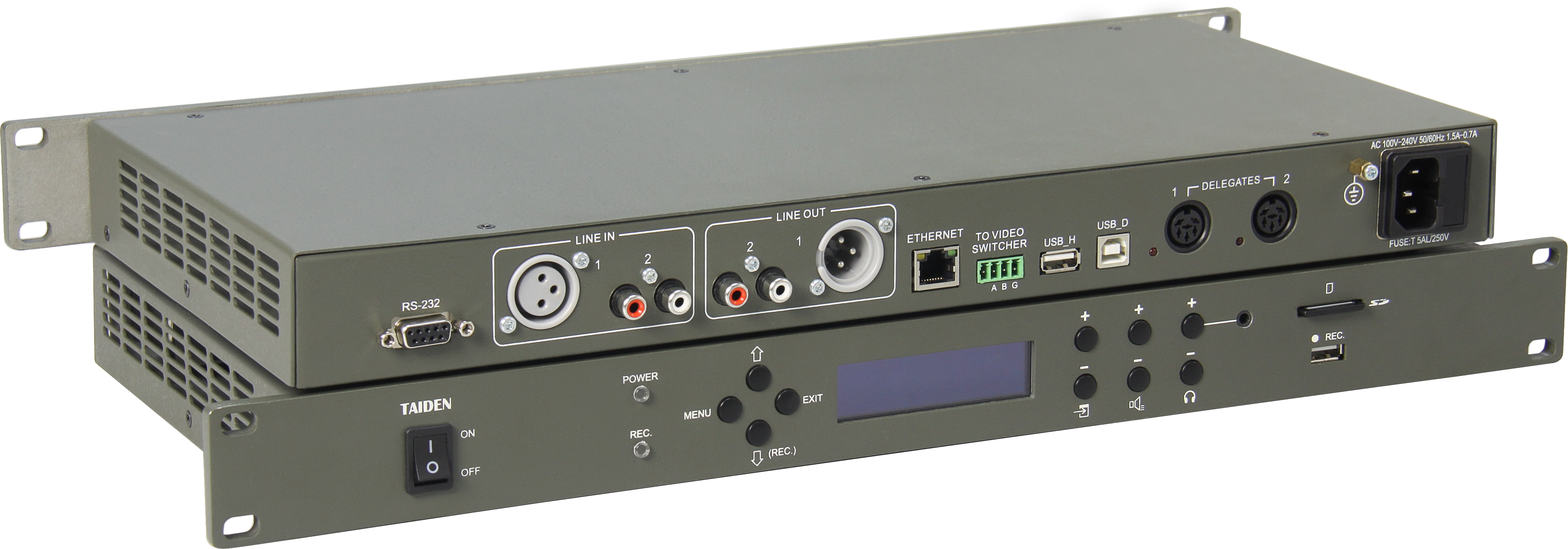
Let’s move from noise to clarity, step by step.
Why Many Rooms Still Struggle to Be Heard
Where do legacy setups fall short?
The heart of a room is the conferencing microphone, yet the trouble often starts before anyone speaks. Legacy table mics pick up too much room noise, because the polar pattern and distance fight each other. A basic DSP cannot fix that alone. Gain-sharing automixers help, but when they are tuned once and never revisited, they raise the wrong voices at the wrong time—funny how that works, right? Add a low-cost codec with a tight latency budget, and you get choppy talkers and stepped AGC. Look, it’s simpler than you think: distance plus reverberation equals low signal-to-noise ratio, and no amount of post-fix can rescue a weak source.
Hidden pain points stack up. Piecemeal systems mix USB hubs, HDMI extenders, and PoE power converters that inject hiss. Ceiling speakers wash the table, so people talk louder, which triggers more acoustic echo cancellation (AEC) activity and pumping. Without a beamforming array or well-placed cardioids, side chatter leaks in. Dante or AES67 networks reduce cable mess, but if QoS is not set, jitter builds and the AEC loses its reference. The user only hears “it sounds hollow.” The cause is layered: gain structure, mic pattern, room RT60, and a DSP profile set for a different space. Fix the source first, then the chain.
From Pain Points to Progress: What Modern Systems Do Differently
What’s Next
Here is the forward step. New arrays steer pickup with digital beamforming, so the mic “looks” at the talker and not the wall. Adaptive AEC tracks changing rooms, even when doors open or HVAC cycles start. Edge processing keeps core DSP close to the mics, cutting round-trip delay across the network. That means fewer artifacts and cleaner doubles. Compared to old piecemeal kits, integrated designs align mic pattern, speaker coverage, and DSP presets as one path—small change, big effect. When you add managed PoE on a single switch and a clean Dante VLAN, the system stays stable. Fewer mystery pops. Fewer gain hunts. More first-pass clarity—because the chain is designed, not guessed.

Consider how this plays with your broader stack of audio visual conference equipment. A well-tuned loudspeaker zone avoids hot spots, so people do not shout back at their own echo. Smart automixers use gating thresholds that follow real speech dynamics, not fixed numbers. A modern codec preserves wideband audio without smashing transients. The practical result is easy: natural voices, low fatigue, and meetings that end on time. To choose well, use three checks. One: intelligibility at the farthest seat measured by STI, not guesses. Two: end-to-end latency under 150 ms, including DSP and network hops. Three: consistent gain structure from mic capsule to amplifier, verified with tone and logs. Keep it calm, keep it measured—and your room will sound like your team. For a stable reference point in this space, see TAIDEN.