
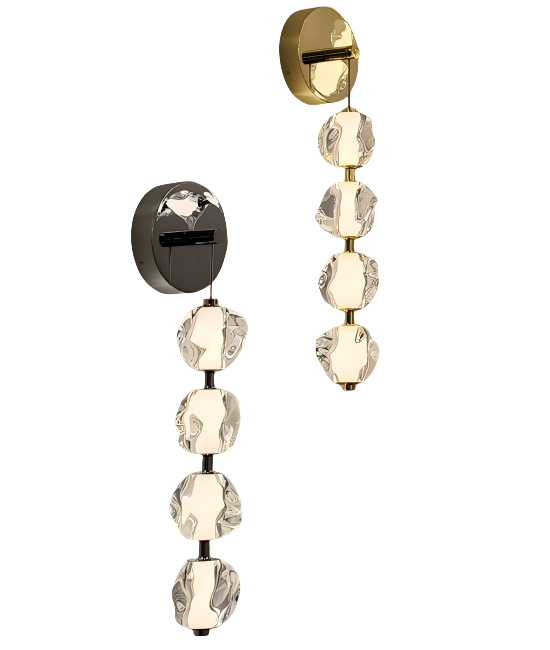
City Nights, Small Rooms, Big Impact
Let’s be real: the right wall light can flip a whole bedroom vibe in one tap. Early on, I learned that gold wall lamps for bedroom do more than look fancy. Wall lamp manufacturers know this game inside out, because they design for tight spaces, strict codes, and real people. In city apartments, light sits close, so glare and heat hit hard. Industry surveys say a big chunk of returns come from color mismatch and harsh shadows. Not shocked. People want warm tone, soft edges, no fuss. But here’s the twist—most buyers chase style, then find out the dimming curve is choppy and the color rendering is off. You’ve seen it. Pretty fixture, weird light.
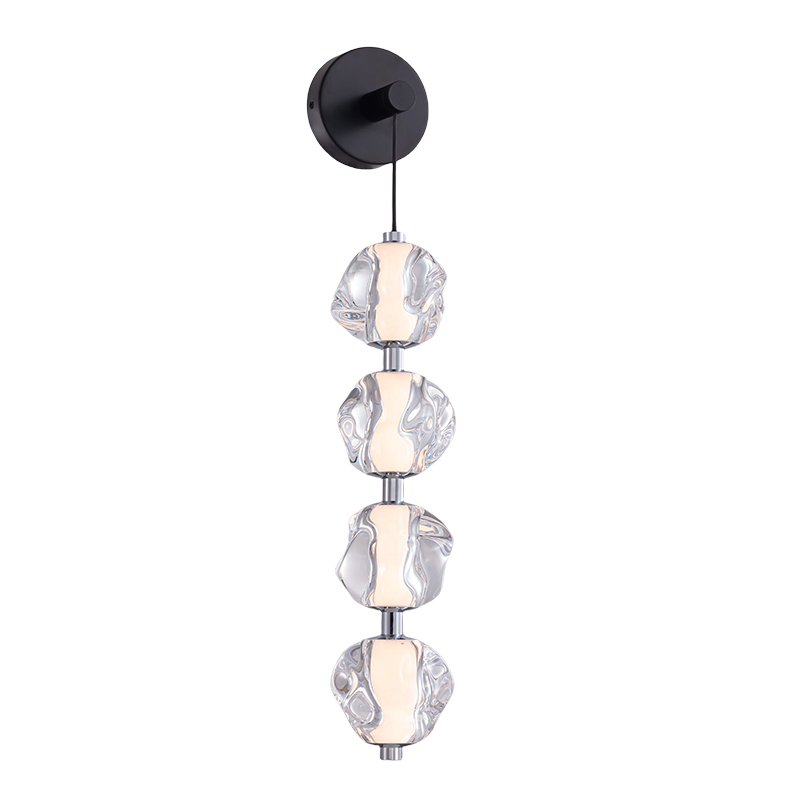
So how do you match finish, mood, and control without stress? And how do you avoid over-bright corners, burnouts, or clunky wiring? I’ve got thoughts (and some street smarts). Let’s break down the gaps—and what the good builders already fixed—before we compare what’s next.
Hidden Frictions When You Go Gold
Where do the pain points hide?
Gold sounds luxe, but the pain points are low-key. First, glare control. Shiny gold can bounce light back if the optics are cheap. Second, color drift. If the driver IC inside the lamp is unstable, warm white turns muddy at low dim. Third, heat. Poor thermal management cooks LEDs, and then your high CRI drops over time. Look, it’s simpler than you think: the finish is not the problem; the internals are. Manufacturers that spec constant-current power converters and test the dimming curve avoid that “flicker at bedtime” mess—funny how that works, right?
Another quiet issue is wall reality. Old plaster. Shallow boxes. Odd wiring. A smart bracket and clean backplate make install fast. But many legacy units ignore cable strain relief and beam angle tuning. You end up tilting the sconce to dodge reflections on art or mirrors. That’s not design; that’s a patch. The fix is better photometric planning and tight QC on CRI and CCT bins. When gold meets the right diffuser and a sane lumen package, the bedroom feels calm. No hotspots. No humming. No long nights with a screwdriver— and yep, that’s the catch.
What’s Next: Tech That Makes Gold Shine (and Chrome Keep Up)
Real-world impact
Moving forward, the tech stack matters more than the finish. New drivers use low-noise PWM and finer steps in the dimming curve, so warm tones stay true at night. Onboard sensors can shape output by time, keeping circadian cues clean without apps yelling at you. Some brands tie fixtures to edge computing nodes in the home hub, so the lamp reacts fast, even offline. That means stable scenes, no jitter. Pair this with better thermal pads and smarter heat sinks, and your lumen output stays steady. Gold gets its glow, not glare. Chrome stays crisp, not cold.
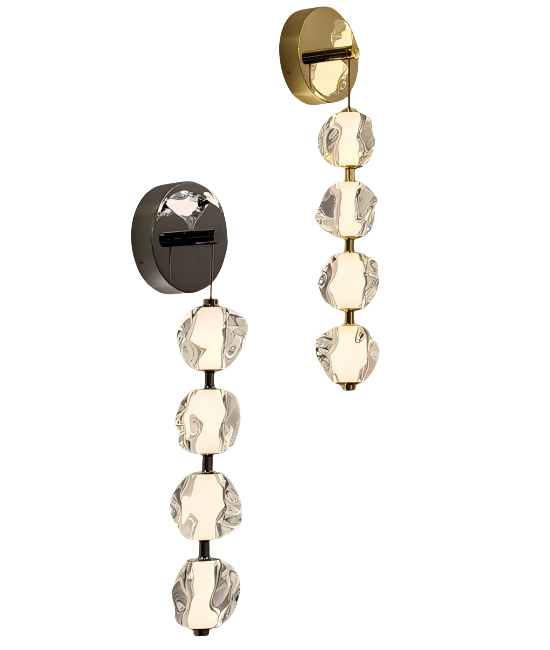
Comparing finishes, the playbook is similar, but the optics shift. With a chrome wall lamp, you want tighter cutoffs to stop specular splash on glass or frames. With gold, a micro-textured diffuser keeps warmth without color cast. Both benefit from sealed housings with a sensible IP rating, especially near humid zones. And yes, good power converters still rule. The lesson: the best manufacturers don’t sell metal; they sell control—of color, heat, and spread.
Quick wrap, then you choose. We saw why finishes alone don’t deliver. We saw how drivers, optics, and thermal design fix the hidden pain. Now, if you’re picking a setup for your own room, use three hard metrics to keep it honest:
• CRI ≥ 90 with stable CCT across the dim range; • Verified dimming curve (no flicker at low levels, works with your wall control); • Thermal design that holds lumen output after a 30-minute burn. Keep it simple, keep it smooth, keep it human. For deeper specs and options, check kinglong.