
From Dusty Barns to Big Arenas: A Texan Take
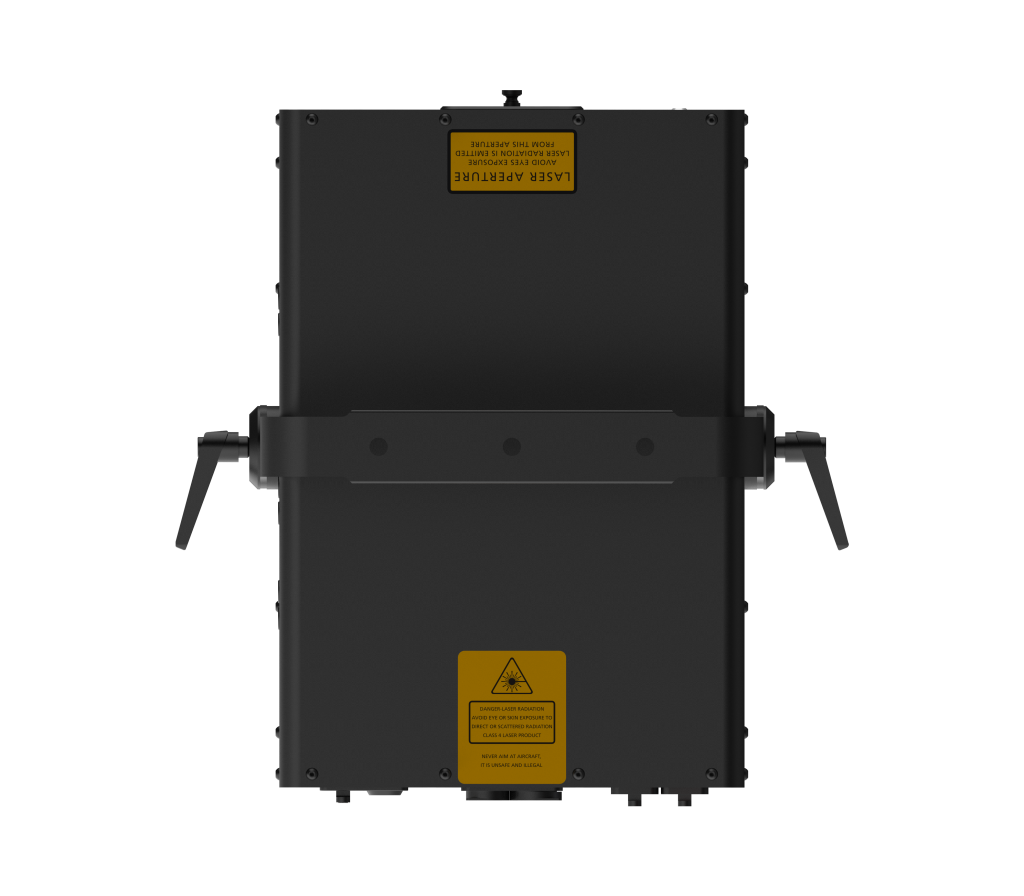
Anecdote—or maybe a warning. I once watched a county fair act fade under weak wash lights while a storm rolled in. Stage Laser Lights can turn a plain set into a story you feel in your bones. We had a thousand folks under tin roofing, boots on gravel, ready to holler. But the show felt flat. Then the lasers cut in, synced to the kick—clean beams that snapped like a lariat. Industry notes say dynamic light timing boosts recall by up to a third. You could see it: faces up, phones held still, folks tuned in. Now here’s the rub—most rigs still lean on old, hot cans and slow pans. So what really moves a crowd: more fixtures, or smarter control?
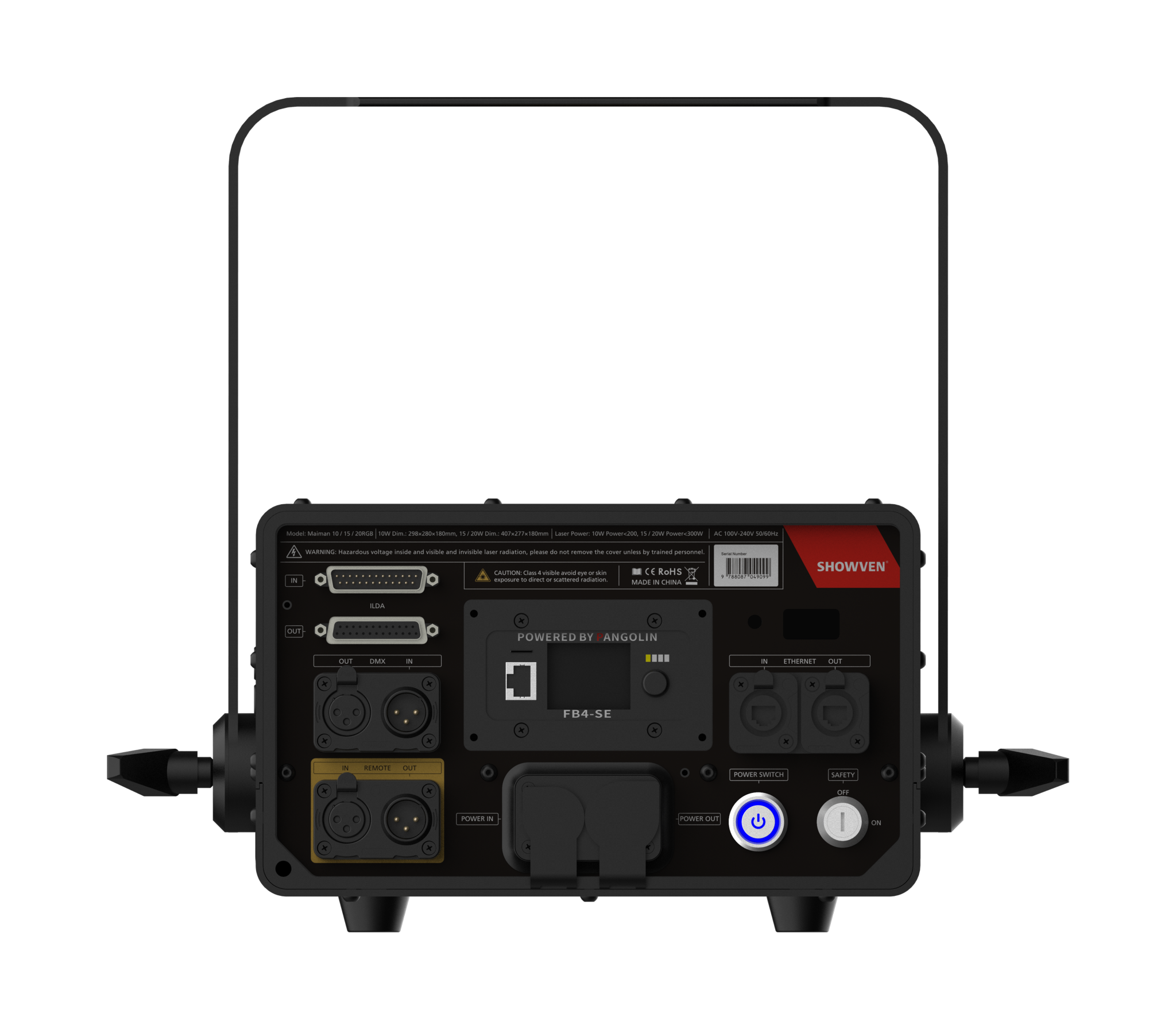
I’m a Texan by heart and a tinkerer by habit, y’all. I watch DMX control chains, beam divergence angles, and safety interlock logic like a hawk. Numbers matter, but feeling matters more. And when both line up, the room flips. (I’ve seen it happen behind a barbecue pit and in a stadium.) The question is simple: how do we get consistent punch without cooking the crew or breaking the power bus? Let’s ride into the guts of the problem—and see where tradition bows out.
The Trouble With Traditions: Why Old Rigs Fall Short
Where do legacy systems break?
In a nutshell, the weak link is control and precision. With laser stage lighting, the promise is crisp shapes, fast cues, and less weight up high. But classic rigs fight physics. Old scanners drift when heat rises. Dimmer curves lag. And fixture heads sweep like molasses when the song needs snap. Look, it’s simpler than you think: scanning galvanometers move faster and stop cleaner than big motorized yokes—by design. When modulation frequency drops, you see flicker. When optical alignment is off, you lose punch. Add power converters that sag under bad mains, and your “big moment” shows up late.
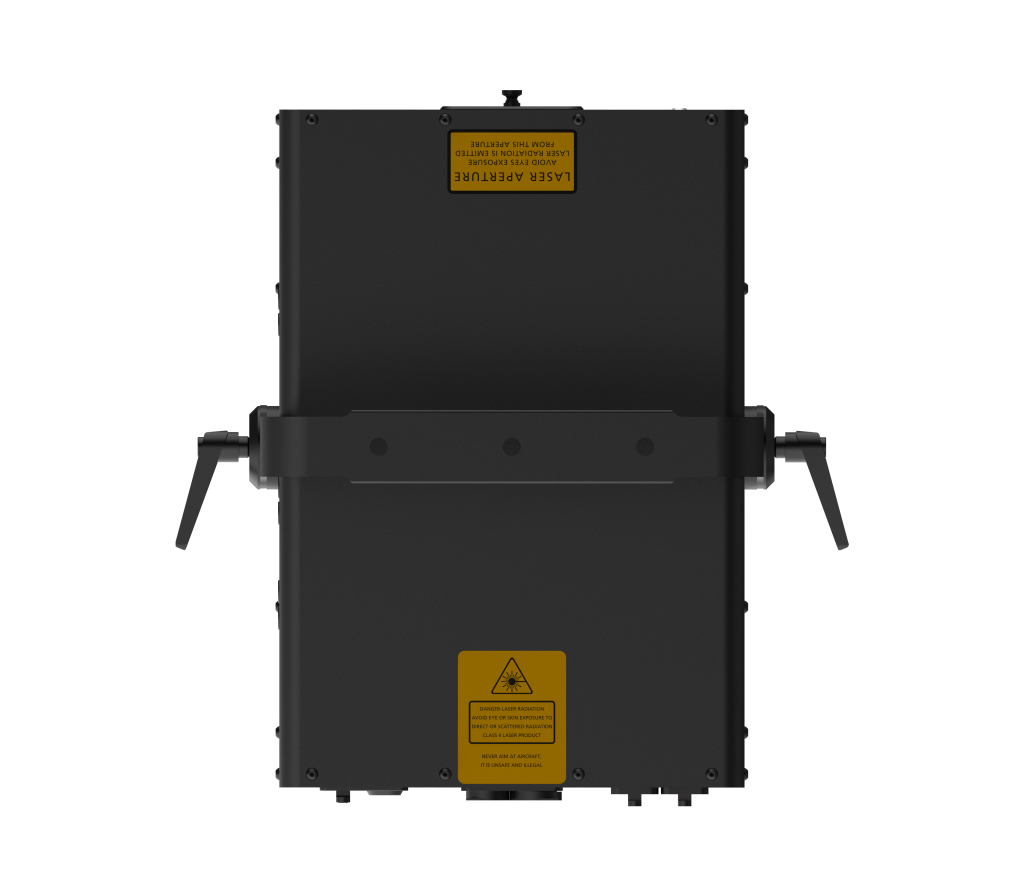
Here’s the deeper pain. Traditional cans blast broad light and hope haze catches it. That wastes energy and stage time. Lasers draw lines the eye can track, so cues read like lyrics. But many crews stitch old and new gear with patchwork DMX maps. That causes jitter and timing slips. Worse, homing cycles slow changeovers. Folks blame operators—funny how that works, right?—when the system just isn’t built for millisecond hits. Tight beam paths need stable optics and clean cabling. They also need safe zones and real-time attenuation. Without that, you trade impact for risk. The fix starts with smarter control logic, not more fixtures.
Next-Gen Beams: Principles and Practical Wins
What’s Next
Let’s look forward, steady and clear. New engines pair fast galvanometers with sealed optics and better thermal paths. The idea is simple: keep the mirrors cool, keep the lines true. Add higher PWM modulation and you get solid color with no stutter. Edge cases—rain, dust, heat—need IP65 housings and proper line voltage regulation. When that’s standard, your show looks the same on Friday at a club and Saturday on a rodeo field. And when you sync beam paths with timecode, you get a beat-locked grid that reads from pit to nosebleed. That’s where outdoor stage lights step in, matching output to space while keeping safety zones clean and smart.
We’ve learned a few things up the road. Old rigs waste power and miss timing. Lasers hit marks with less metal in the sky. The next step is hybrid thinking: map lasers for motion, leave washes for skin tone, and let strobes punch the chorus. Use safety interlocks that mute hot zones before a cue fires—go figure, the best show is also the safest. Now, if you’re weighing options, keep it practical and calm. Advisory close, three checks:
1) Timing fidelity: verify scan speed, modulation frequency, and timecode lock within ±2 ms. 2) Optical integrity: check beam divergence at throw distance and confirm repeatable alignment after transport. 3) System resilience: demand IP65 where needed, clean power converters, and logged safety interlock events. Hit those, and your crowd will feel the lift before they can name it—bless it. For deeper specs and steady know-how, see Showven Laser.