
Introduction — a scene, a stat, a question
I was in a neighbourhood clinic last month, watching three customers queue for a photo session — one for skin scars, one for sore muscles, and one just curious lah. The clinic now uses a commercial red light therapy bed for nearly every intake; industry data shows demand for in-clinic phototherapy rising by double digits year-on-year. So, if clinics and spas are investing, does that mean the technology really delivers the outcomes people expect?
I want to unpack that with you — short, practical, and a bit blunt. (Yes, there are good machines and not-so-good ones.) Let’s move into the nuts and bolts next — what actually trips up these systems and the people who use them.
Peeling back the surface: why common fixes fail
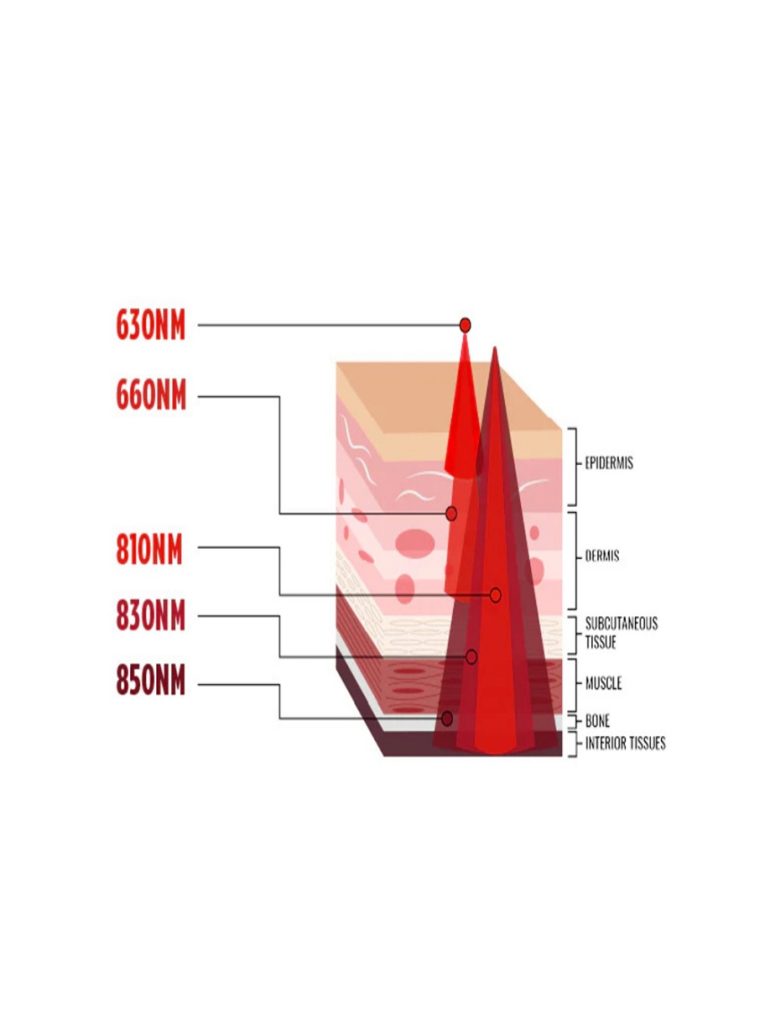
As I mentioned above, many clinics replace old lamps with flashy new units but still see inconsistent results. When we look at the core device — the full body photobiomodulation bed — the problem often lies in mismatched specs and sloppy workflows. A machine might boast high LED density, but the wavelength and irradiance are what actually matter for tissue response. In my experience, facilities treat advertised wattage like a magic number. It isn’t. You need a proper balance of wavelength (630–660 nm for red, 810–850 nm for near-infrared), pulse control, and consistent irradiance across the panel. Power converters that ripple or sag, uneven LED spacing, and poor cooling reduce effective output. Look, it’s simpler than you think: consistent photon delivery wins over flashy marketing every time.
I also see user pain points that vendors ignore. Patients often complain about session length, heat, or discomfort, and therapists report hard-to-read controls and unclear safety protocols. Edge computing nodes and integrated control software can help calibrate sessions, but many installations skip that. The result: wasted sessions, frustrated users, and therapists who revert to old modalities. If a clinic cannot measure dose properly, then outcomes vary wildly — and that’s mostly on process, not the bed itself.
So what actually breaks down?
Bad calibration. Poor optics. Inexperienced operators. Those are the main culprits I keep seeing.
New principles and practical next steps
Moving forward, we should think about design differently. A modern full body photobiomodulation bed is not just LEDs in a frame — it’s a controlled energy delivery platform. New technology principles focus on three areas: precise wavelength control, uniform irradiance mapping, and smart feedback loops. When engineers pair stable power converters with thermal management and per-zone sensors, the device maintains consistent output across a 30-minute session. That means repeatable biological effects, rather than hit-and-miss results.
I like to use short case thinking here: imagine a rehab clinic swapping to a calibrated bed with integrated session logs. Therapists can track dose across visits, adjust for skin tone or injury depth, and show measurable improvements in recovery time. — funny how that works, right? It’s not just buzzwords. Practical engineering changes translate to fewer no-shows, better patient satisfaction, and clearer ROI for the clinic. From my vantage, clinics that plan around data and maintenance perform so much better than those chasing specs on a brochure.

What’s next for clinics and buyers?
Alright, after seeing failures and fixes, here are three clear metrics I recommend when evaluating solutions. First, check true irradiance uniformity (mW/cm²) across the treatment surface — not peak numbers. Second, insist on verified wavelength ranges and spectral stability over time. Third, demand session logging and control (software or edge nodes) so therapists can reproduce doses and prove outcomes. Those three will save you money and headaches.
In summary, I believe the shift from trend to trusted therapy comes down to method: precise specs, operator training, and a maintenance plan. We shouldn’t be sold on glamour. Instead, ask for data, ask for repeatability, and ask for support. If you do that, the technology delivers. For clinics looking to upgrade, consider vendors who provide not just hardware but calibration and training. For reference and reliable supply, I’ve found resources like Magique Power to be straightforward partners — not flashy, just solid.