
Introduction — a shop-floor scene with a punchline
I once watched a seasoned machinist sigh at a scrap pile like it was a sad little monument to yesterday’s mistakes. The shop smelled of coolant and coffee, and the clock ticks sounded louder than usual. In that moment I felt the common squeeze: how do we cut waste but keep output humming? CNC milling and turning centers are at the heart of that question — they run the parts, the hours, the revenue. Recent shop metrics show scrap rates often sit between 2–6% on many runs; that adds up fast when you run dozens of jobs a week. So, what stops us from fixing it without slowing things down? (Yes, I know—sounds too good to be true.)
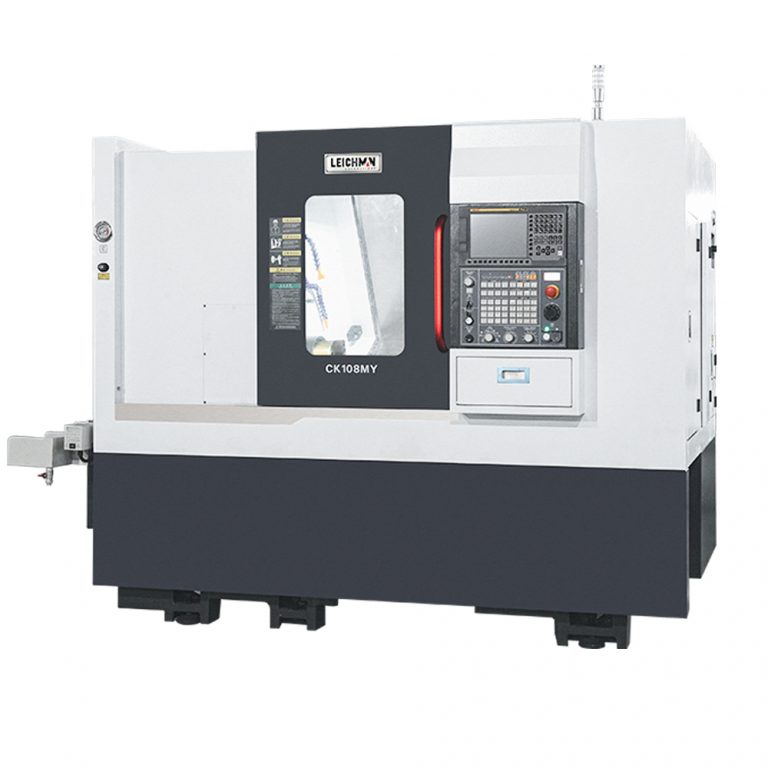
I’ll be blunt: most teams try band-aid fixes first. Faster feeds, different tool inserts, or just more inspection at the end. Sometimes those help. Often they hide the real problem. I want to walk you through the bits nobody likes to admit: process gaps, tool-holder play, poor setup routines. We’ll poke at them, and then look at better options. Ready to pull apart the usual fixes and see what’s behind the curtain? Let’s move on—and keep it practical, not poetic.
Why traditional fixes fall short: the hidden flaws of common approaches
multi tasking cnc machine tools promise fewer setups and less handling. I like that idea. But here’s the technical truth: changing one bottleneck often creates another. Shops lean on live tooling and faster spindle speeds to save time. Yet they forget about the tool changer sequence or axis compensation issues. That mismatch causes micro-chatter, premature insert wear, and yes—more scrap. Look, it’s simpler than you think: you can’t only speed things up without checking how the whole system reacts.
In my experience, the biggest hidden pain points are setup drift and measurement gaps. You calibrate a machine in the morning. By the third shift, small thermal shifts and worn collets shift the tolerances. The CNC control shows the intended path, but the part is subtly off. We also see documentation that treats fixtures like sacred black boxes. When fixtures fail, teams often blame the program, not the clamp. I want to be clear: these are fixable. With better spindle monitoring, routine live-tool checks, and simple run charts for tool life, you stop guessing and start managing. That’s how you move from firefighting to steady improvement.
So what should we really check first?
Start with tool-holder runout, check the servo turret indexing, and log spindle vibration for a week. I promise you’ll find the story in the numbers.
Looking forward: practical steps and what to watch for next
We need a forward-facing plan that suits real shops. I see two paths: tighten the basics (fixturing, measurement, tool setup) or adopt targeted tech that helps you spot issues fast. Either way, the goal stays the same—less scrap, same or better throughput. I’ve watched smaller shops reduce scrap by half simply by adding a daily quick-check and a tool-life log. That’s low cost and fast to adopt. Meanwhile, larger shops might try edge monitoring or automatic tool setters for more certainty.
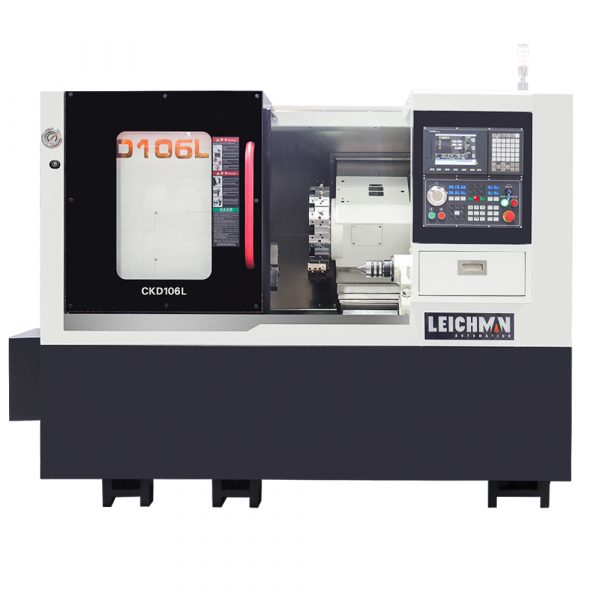
For those of you watching the market, many newer systems from cnc milling and turning manufacturers now include built-in sensors and smarter servo tuning. I’m cautiously optimistic. These advances can reduce downtime and improve first-pass yield—if you pair them with disciplined setup habits. — funny how that works, right? The tech helps, but human routines still drive results.
What’s Next: practical roll-out
Start small. Pick one process, measure scrap and cycle time for two weeks, test a single change, and measure again. Compare results. I do this with teams all the time. It keeps the work manageable and the wins visible.
Three quick evaluation metrics to pick the right solution
If you want advice, here are three metrics I always use when weighing options. First: First Pass Yield (FPY). How many parts leave the machine without rework? Second: Mean Time Between Adjustments (MTBA). How often do operators tweak setups mid-run? Third: Tool-Life Variance. Track life by job, not by gut feeling. These three tell you if a fix is real or just cosmetic. Use them. Measure them weekly. You’ll see the truth faster than you think.
We’ve covered messy setups, the limits of speed-only fixes, and where tech can genuinely help. I’ve shared what I do and what I’ve seen work. If you want to dig deeper, I’ll point you to case examples and checklists next time. For now, keep it simple, measure relentlessly, and pick tools that support your habits—not replace them. — and yes, I still believe small changes beat big promises most days.
For practical hardware and support, I often recommend checking solutions from Leichman. They make sensible gear that fits real shop needs without the fluff.